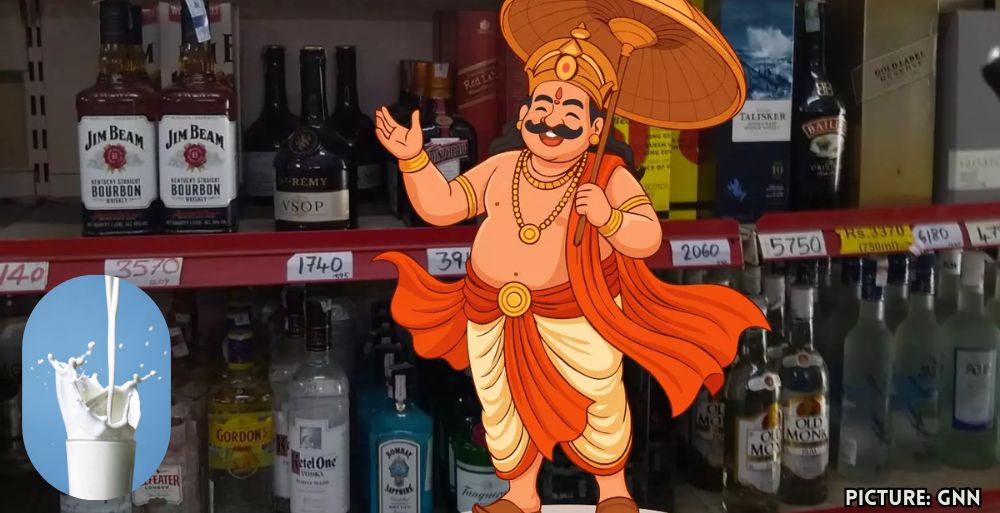
In the lead-up to Onam, Kerala experienced significant increases in milk and liquor sales, reflecting the dual nature of celebrations in the region.
Thiruvananthapuram, Kerala – As the state of Kerala prepared for the Onam festival, which commenced on August 25, 2023, it experienced a marked increase in the consumption of both milk and liquor. This duality underscores the unique cultural fabric of the region, where traditional festivities blend with contemporary consumer behaviors.
The Kerala Cooperative Milk Marketing Federation, known as Milma, reported a 5.61 percent increase in milk sales, totaling 1.46 crore litres sold during the period from August 20 to Uthradam, the first day of Onam. This period also saw curd sales rising by an impressive 9.68 percent, with figures exceeding 18 lakh kg. These numbers reflect a growing demand for dairy products, which are integral to traditional Onam dishes such as payasam, a sweet dessert made with milk.
Liquor Sales Surge
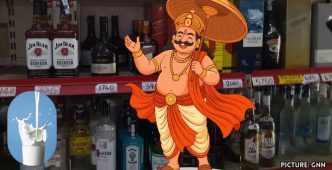
On the other hand, liquor sales through the Kerala State Beverages Corporation (BEVCO) and Consumerfed skyrocketed to Rs 771.29 crore in the eight days leading up to Uthradam. This figure represents an increase of nearly 11 percent compared to the Rs 694.96 crore recorded during the same period in 2022. Uthradam itself was marked by heavy crowds at liquor outlets, as residents prepared for the festive celebrations. The influx of customers highlights the cultural significance of liquor in the celebrations, which often accompany festive meals.
Regional Sales Data
A closer examination of regional sales data provides further insights into consumption patterns across Kerala. The Thiruvananthapuram regional union reported a 5.86 percent rise in milk sales and a 7.94 percent increase in curd sales. Meanwhile, the Ernakulam district saw a 4.2 percent growth in milk sales alongside a significant 16.44 percent increase in curd sales. The Malabar region also demonstrated positive trends, with milk sales up by 6.03 percent and curd sales increasing by 8.7 percent.
Ghee, a vital ingredient in many traditional Onam dishes, also saw brisk sales. The Thiruvananthapuram union reported sales of 297.85 tonnes, while the Ernakulam and Malabar unions sold 172.58 tonnes and 358.35 tonnes, respectively. The combination of these figures provides an amusing yet telling snapshot of the Onam economy, where milk is utilized for sweet dishes, ghee is essential for elaborate feasts, and liquor is enjoyed in post-feast gatherings.
Economic Implications and Planning
The remarkable sales figures reflect not just consumer preferences but also the effective planning and supply chain management implemented by Milma. The federation attributed its growth to strategic planning and expanded procurement efforts tailored to meet the seasonal surge in demand. K.S. Mani, Chairman of Milma, expressed gratitude to consumers, dairy farmers, employees, and distributors for their contributions during this busy time. Such efforts ensure that supply chains can effectively handle the increased demand during significant cultural events.
Despite the notable increase in liquor sales, the Kerala government has not disclosed outlet-wise figures, leaving the identity of the largest liquor seller during Onam an open question. However, historical trends suggest that the demand for liquor during festivals remains consistently high, a reflection of the cultural practices that define the celebrations.
Cultural Significance and Consumer Behavior
The contrasting figures of milk and liquor sales during Onam highlight the complex nature of celebrations in Kerala. While traditional dishes centered around milk and ghee play a crucial role in the festivities, the inclusion of liquor indicates a modern consumer culture that has found its place alongside age-old traditions. Such consumption practices illustrate the evolving nature of Onam, where the celebration of nature’s bounty coexists with contemporary lifestyle choices.
The Onam festival, which lasts for ten days, embodies the spirit of harvest and abundance in Kerala, rooted in agricultural traditions. It is celebrated with various cultural activities, including traditional dances, music, and elaborate feasts, known as sadya. The blending of traditional culinary practices with modern consumption trends paints a dynamic picture of the state’s economy during this auspicious time.
Conclusion
The significant increases in milk and liquor sales during the Onam festival reflect not only the depth of Kerala’s cultural heritage but also the changing dynamics of consumer behavior. As the state continues to navigate the balance between tradition and modernity, this year’s sales figures offer valuable insights into the evolving economic landscape of Kerala, particularly during one of its most revered cultural events. The harmonious coexistence of milk, ghee, and liquor on festive tables underscores the multifaceted nature of Onam celebrations, ensuring that both glasses of milk and liquor remain filled throughout the festivities.