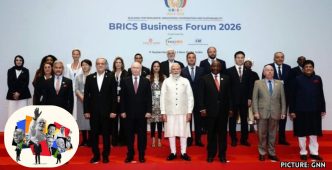
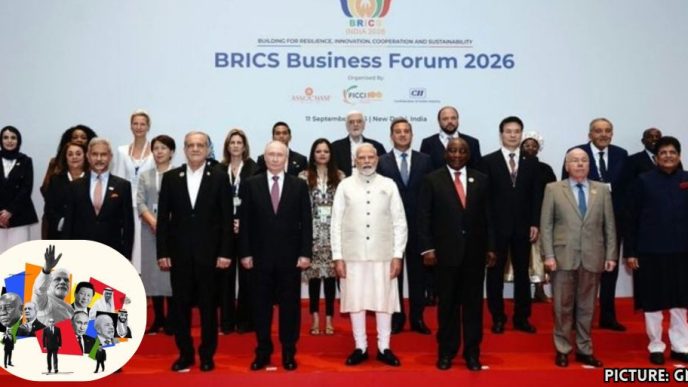
The upcoming BRICS 2026 Summit aims to strengthen economic ties among member nations, with a particular focus on enhancing trade and creating job opportunities in India and beyond.
The BRICS 2026 Summit is scheduled to take place in the coming months, bringing together leaders from Brazil, Russia, India, China, and South Africa. This summit is expected to serve as a vital platform for discussions centered on economic cooperation, trade enhancement, and job creation across member nations. With a growing emphasis on local currencies and mutual investment, the summit is poised to address both historical and contemporary challenges faced by these emerging economies.
Historical Context of BRICS
Since its formation in 2009, BRICS has functioned as a significant forum for some of the world’s largest emerging economies. Historically, the bloc has aimed to reshape the global economic landscape by promoting cooperation among its members, enhancing trade, and advocating for a more balanced distribution of global power. The upcoming summit is expected to reflect these foundational goals while responding to the current global economic climate, which is marked by uncertainties including inflation, supply chain disruptions, and geopolitical tensions.
In recent years, the BRICS nations have increasingly focused on diversifying their economic interactions, exploring avenues for trade that utilize local currencies, and creating frameworks that bolster intra-BRICS tourism. These initiatives have the potential to not only enhance economic cooperation but also foster cultural exchange among member countries.
Proposed Initiatives at the Summit
One of the notable proposals circulating ahead of the summit is the establishment of a BRICS Tourism ecosystem. Advocates argue that such a framework could serve as a conduit for connecting diverse cultures, promoting heritage, and facilitating tourism trade among member nations. The introduction of local currencies in tourism transactions could further streamline this process, making it easier for citizens of BRICS nations to travel and engage economically with one another.
This initiative underscores a broader ambition to not only increase economic activity but also to enhance cultural understanding, which is seen as essential for long-term cooperation. The potential benefits of a tourism ecosystem extend beyond immediate economic gains, as it could also foster goodwill and collaboration amid rising global tensions.
Economic Implications for India
As one of the key players in the BRICS coalition, India is particularly invested in the outcomes of the summit. Indian Minister Piyush Goyal recently highlighted the importance of the summit in his social media commentary, emphasizing that increased exports could lead to significant job creation within the country. Goyal noted that if BRICS successfully opens larger markets for Indian products—including pharmaceuticals, automobiles, engineering goods, textiles, and digital services—there could be a substantial ripple effect throughout the economy.
Nawal Kundrai, a commentator on social media, raised critical questions about the summit’s potential impact on ordinary Indians. Kundrai suggested that the true measure of the summit’s success should not be limited to the number of Memorandums of Understanding (MoUs) signed but should instead focus on tangible outcomes, such as job creation and improved income levels for the average citizen. This sentiment echoes a growing concern among the populace regarding the direct benefits of international summits to everyday life.
Public Reactions and Concerns
The conversation surrounding the BRICS 2026 Summit has elicited a range of reactions from the public and stakeholders. Some voices are optimistic about the possibilities for economic cooperation to yield mutual benefits. For instance, Deepak Joshi expressed hope that the BRICS platform could create new business opportunities and foster cultural understanding, which would be crucial in addressing ongoing economic and social issues.
However, skepticism also exists regarding the potential consequences of increased foreign investment and economic activity in India. Comments from users like Kedarnath Sahu and Milind Kshirsagar reflect apprehensions about the exodus of foreign investors from India, raising concerns about the sustainability of economic growth in the face of global market fluctuations and competition.
Moreover, some critics have urged for the initiation of grassroots initiatives to showcase the effectiveness of policies discussed at the summit. Amit Pandey suggested that local impact projects could serve to demonstrate India’s capabilities and commitment to enhancing its role in the global economic landscape.
Anticipating the Future
As the BRICS 2026 Summit approaches, the implications of the discussions and agreements reached during this gathering are expected to resonate far beyond the immediate context of the member nations. The focus on economic cooperation, tourism development, and job creation will likely be scrutinized by analysts and stakeholders alike. The potential for expanded trade networks, cultural exchange, and economic collaboration holds promise, yet the challenges posed by existing economic conditions and public sentiment necessitate careful navigation by BRICS leaders.
In conclusion, the BRICS 2026 Summit represents a pivotal opportunity for member nations, particularly India, as they seek to leverage their collective strengths for enhanced economic cooperation. The outcomes of this summit will not only shape the future trajectory of BRICS but may also influence broader dynamics of global trade and international economic collaboration, with far-reaching implications for the global economy.