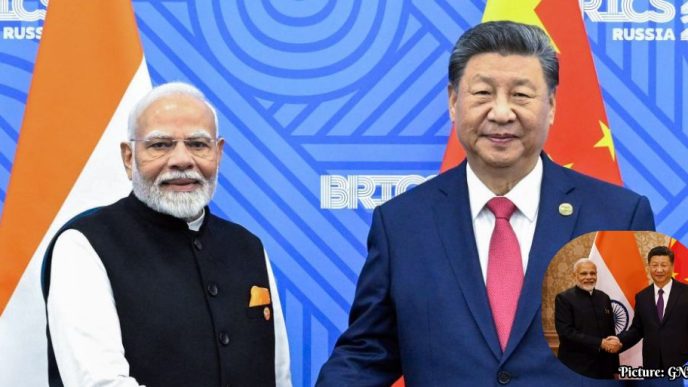
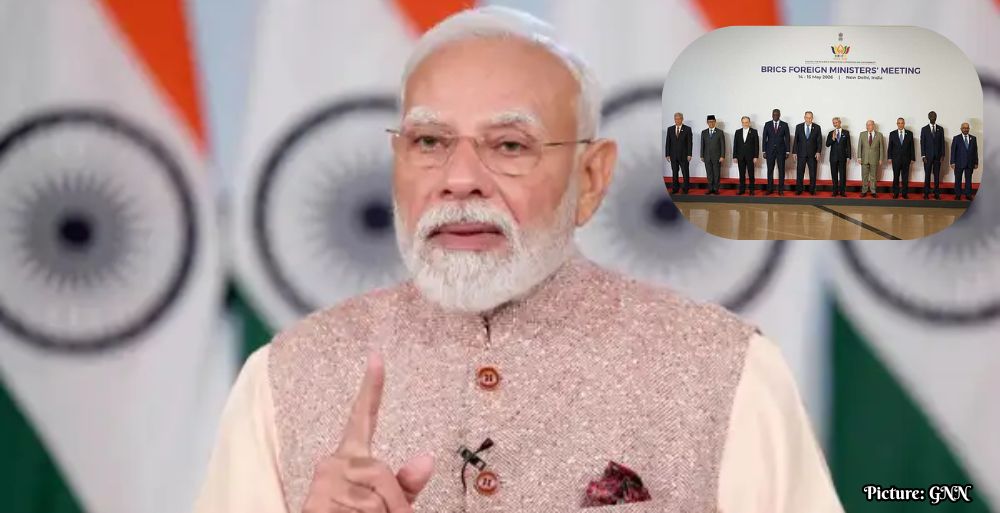
The 15th BRICS summit in New Delhi on September 12-13, 2023, highlights the bloc’s evolution into a significant geopolitical player, now encompassing ten nations and advocating for a more multipolar world.
India will host the 15th BRICS summit in New Delhi on September 12-13, 2023, marking the fourth instance of India chairing this multilateral grouping. The summit arrives at a crucial juncture as BRICS has expanded significantly beyond its original four-member framework, presenting new opportunities and challenges for global governance.
The Genesis of BRICS
The term BRIC was first introduced in 2001 by Jim O’Neill, a then-economist at Goldman Sachs. O’Neill identified Brazil, Russia, India, and China as emerging economies poised to exert considerable influence on the global stage by 2050. This hypothesis was rooted in their rapidly growing GDPs, vast populations, and expanding geopolitical clout. Over time, the initial economic concept developed into a formal mechanism for international cooperation, culminating in the first leaders’ summit in Yekaterinburg, Russia, in 2009. South Africa’s accession in 2010 transitioned BRIC into BRICS, further diversifying its representation.
Current Membership and Economic Significance
As of now, BRICS includes ten member nations: Brazil, Russia, India, China, South Africa, Egypt, Ethiopia, Iran, the United Arab Emirates, and Indonesia. Collectively, these countries account for approximately 49% of the world’s population and around 40% of global GDP based on purchasing power parity. India’s trade with fellow BRICS nations has notably surged, with exports increasing by 48.8%, rising from $64.3 billion to $95.7 billion, underscoring the bloc’s significance as a trade partner.
A Shift in Geopolitical Dynamics
Though initially conceived as an economic coalition, BRICS has evolved into a platform that embodies broader geopolitical ambitions. Member states have consistently advocated for a multipolar world, emphasizing the need for greater representation of developing nations, particularly those in the Global South. This shift reflects a widespread discontent with the current Western-dominated global order. As part of its strategy to establish a more equitable international system, BRICS has initiated the creation of financial institutions aimed at reducing reliance on Western entities. A key development has been the establishment of the New Development Bank, which funds infrastructure and development projects across member countries. The bloc has also implemented a financial safety mechanism designed to provide support during economic crises, functioning in overlapping capacities with the International Monetary Fund (IMF).
Discussions on a Common Currency
Recent discussions within the bloc have included speculation about the potential creation of a common BRICS currency. Such a move would aim to reduce dependence on the US dollar for international trade and investment. However, the feasibility and specific details surrounding this proposal remain unclear, and significant challenges would need to be addressed before implementation.
Expansion and Political Complications
BRICS has expanded its membership in recent years, with the addition of countries like Egypt, Ethiopia, Iran, the UAE, and Indonesia. However, this expansion has not been without complications. Saudi Arabia’s anticipated membership in 2024 is still pending a final decision, reflecting the cautious approach that some nations are taking toward the bloc. Additionally, Turkey’s application for membership was reportedly blocked by India due to Ankara’s diplomatic ties with Pakistan, highlighting the intricate political dynamics within the group.
Argentina’s application, which had been submitted, was withdrawn in December 2023 following a shift in the government towards closer relations with Western powers. This situation illustrates the competitive nature of international alliances and the strategic calculations that member countries must navigate.
Organizational Structure and Leadership Dynamics
Unlike many international organizations, BRICS lacks a founding treaty, a permanent headquarters, or a dedicated secretariat. Its operational structure is based on annual rotating chairmanship among member countries, allowing each nation to influence the agenda as it assumes leadership. India’s current theme for its chairmanship, ‘Building for Resilience, Innovation, Cooperation, and Sustainability,’ reflects a focus on addressing pressing global challenges through collaborative efforts.
The upcoming summit is expected to solidify discussions on economic cooperation, geopolitical strategies, and the potential future trajectory of BRICS as a counterbalance to Western influence. As the bloc continues to evolve, its role in shaping global affairs is likely to expand, drawing both support and scrutiny from various stakeholders.
Implications for Global Governance
The rise of BRICS as a significant player in international relations signifies a potential reconfiguration of global governance structures. The bloc’s push for a multipolar world order and its initiatives to develop alternative financial mechanisms may present challenges to the existing institutions that have long been dominated by Western powers. As BRICS takes proactive steps to amplify the voices of developing nations, its influence on international policy and economic discussions is likely to grow. The outcomes of the New Delhi summit will be closely watched, as they may signal the bloc’s intentions and strategic direction in the coming years.