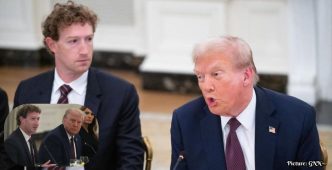
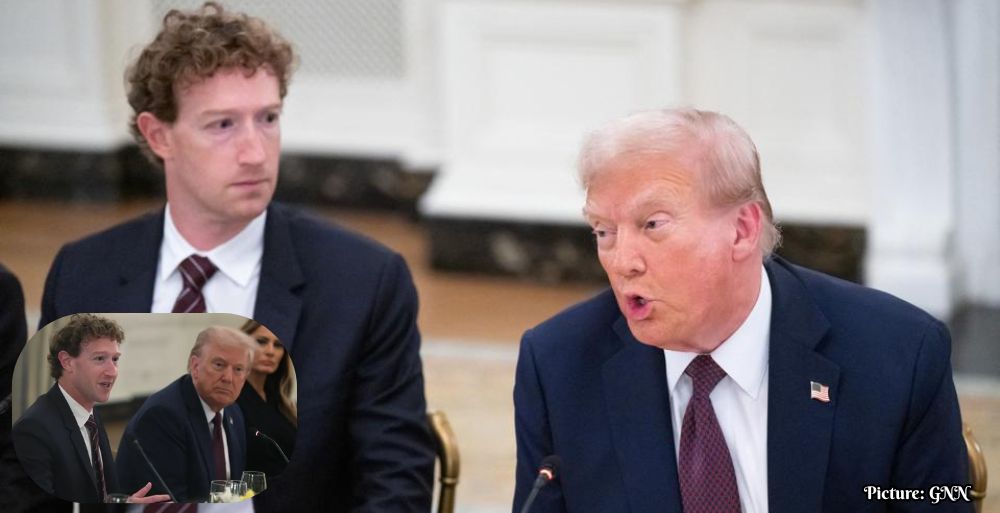
The recent private conversation between Meta CEO Mark Zuckerberg and former President Donald Trump sheds light on the complex dynamics surrounding proposed AI regulations by the Biden administration, as concerns grow over the rapid evolution of artificial intelligence technologies.
The debate over artificial intelligence (AI) regulation has reached a critical juncture following a private discussion between Meta CEO Mark Zuckerberg and former President Donald Trump. The call underscores the multifaceted challenges facing the Biden administration as it seeks to implement new regulatory frameworks in response to the fast-paced advancements in AI technology, which are increasingly capable of performing complex tasks with minimal human intervention.
The Context of the AI Debate
The conversation between Zuckerberg and Trump occurred amid rising alarms about the implications of AI technologies, which can now autonomously browse the internet, operate software, and generate code. The potential for misuse, particularly in the context of cyberattacks, has heightened concerns among policymakers and industry leaders alike. Such technologies could empower hostile actors to exploit vulnerabilities at a speed that far surpasses current defenses, raising national security issues.
This is not the first time the administration’s AI policymaking process has faced unexpected turbulence. In May, tech investor David Sacks, who served as an adviser to Trump on AI matters, disrupted the administration’s plans to unveil a significant executive order on AI by persuading Trump to delay the signing just hours before the event. This incident highlighted the informal yet impactful nature of Trump’s discussions with tech executives, capable of altering the trajectory of established policy initiatives.
Concerns Over Government Oversight
During the August call, Zuckerberg expressed reservations about stringent government oversight of AI systems. He contended that while collaboration between the tech sector and the government is essential, any policy that delays the release of innovative AI models—even by a month—could jeopardize the United States’ global leadership in technology, especially in competition with China. Zuckerberg’s remarks emphasized a prevalent sentiment within the tech industry: the fear that regulatory delays could stifle innovation and cede competitive advantages to other nations.
“Adding significant risk to American leadership is a critical concern,” Zuckerberg articulated, reflecting a viewpoint shared by many in Silicon Valley who advocate for a more flexible regulatory environment that fosters innovation rather than stifling it with bureaucratic hurdles.
Exploring Regulatory Options
The Biden administration is grappling with how best to balance the imperatives of national security and technological innovation. According to an administration official, two regulatory approaches are currently under consideration: one resembling the structure of the Financial Industry Regulatory Authority (FINRA) and the other inspired by the Motion Picture Association (MPA). The FINRA-like model would involve a formal governance structure overseeing AI development, while the MPA model would advocate for voluntary compliance and industry self-regulation.
Sacks has been vocal against the idea of a government regulator, likening it to “a DMV for AI,” suggesting that such a framework could lead to inefficiencies and delays where AI models languish in approval queues. His proposal for an MPA-style organization would facilitate the establishment of industry standards without encumbering the sector with heavy-handed government regulations.
Industry Perspectives on Regulation
On his All-In podcast episode aired on August 21, Sacks elaborated on the need for an industry-led regulatory framework and noted the support he has received from influential figures, including Elon Musk. He drew parallels between the MPA’s voluntary film rating system and a potential system for AI, where standards could be established proactively by the industry to mitigate the need for more intrusive government interventions. “What the MPA did then was promote standards that then forestalled more intrusive, heavy-handed government action,” Sacks noted, highlighting a strategy aimed at preventing regulatory overreach.
The Ongoing Regulatory Dialogue
Despite ongoing discussions and differing viewpoints within the tech industry, the Biden administration has yet to solidify its approach to AI regulation. The official reiterated the administration’s commitment to balancing innovation with security concerns, indicating that both regulatory paths remain under active consideration. This uncertainty reflects the broader challenges faced by policymakers as they navigate a rapidly evolving technological landscape, where the stakes are high and the potential consequences of inaction or overregulation are significant.
Implications for the Future of AI
The interplay between tech leaders like Zuckerberg and policymakers will likely shape the future landscape of AI regulation in the United States. As discussions continue, the administration’s ability to balance the drive for innovation with the necessity of oversight will be critical. The implications of these regulatory decisions extend beyond the technology sector, impacting national security, economic competitiveness, and the ethical deployment of AI technologies.
As the nation stands at this crossroads, the outcome of these discussions could set precedents that determine the trajectory of AI development and regulation for years to come. The stakes are high, and the need for a collaborative dialogue between the government and the tech industry has never been more apparent.