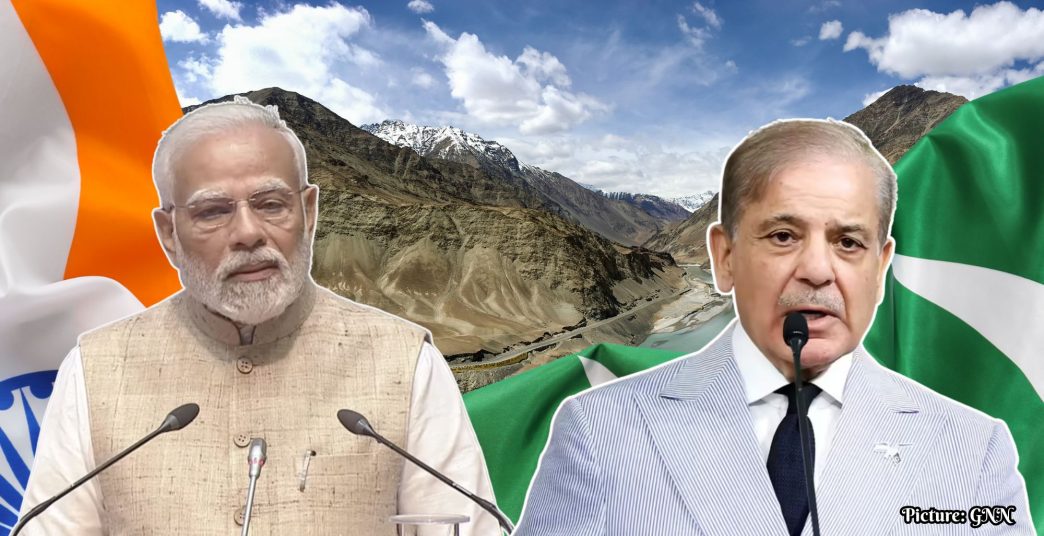
Pakistan has urged India to engage in constructive dialogue regarding the Indus Waters Treaty, following India’s rejection of an international tribunal’s ruling on the matter.
NEW DELHI: In a significant development concerning the longstanding Indus Waters Treaty (IWT), Pakistan has appealed to India to engage in constructive dialogue within the framework of this 1960 water-sharing agreement. This call follows India’s firm rejection of a ruling issued by the Permanent Court of Arbitration, which Pakistan claims reaffirmed the treaty’s enforceability. The situation reflects the complex interplay of water resources, diplomacy, and regional security in South Asia.
Pakistan’s Position on the Treaty
On Wednesday, Pakistan’s foreign office spokesperson, Tahir Andrabi, emphasized that the Permanent Court of Arbitration had confirmed that the IWT remains fully enforced and binding. He stated, “Pakistan will take all possible measures to ensure the decision is implemented,” reiterating the country’s commitment to uphold the treaty in both letter and spirit.
Andrabi highlighted Pakistan’s expectation for India to reciprocate this commitment. He remarked, “Pakistan will continue to urge India to reciprocate with the same approach whereby the treaty is upheld in letter and spirit and in its full legal documented provisions.” This statement underscores Pakistan’s intent to engage diplomatically on this critical issue, despite the prevailing tensions.
India’s Rejection of the Tribunal’s Ruling
In stark contrast, India’s Ministry of External Affairs (MEA) has categorically rejected the tribunal’s award, asserting that India’s decision to place the IWT in abeyance remains unchanged. The MEA stated, “India categorically rejects its so-called award, just as it has firmly rejected all prior pronouncements by this illegally constituted body.” This position reflects India’s long-standing skepticism towards international arbitration in disputes with Pakistan.
The MEA’s statement followed the tribunal’s issuance of an award on May 15, 2026, which addressed issues related to maximum pondage under the treaty. India’s government has consistently maintained that the establishment of the arbitration process itself violates the terms of the IWT and that the tribunal lacks jurisdiction over India’s sovereign decision to suspend the treaty.
Background and Context of the Dispute
The IWT, which governs the sharing of waters from the Indus River system between India and Pakistan, has been a cornerstone of bilateral relations since its inception. However, the treaty has come under strain, particularly following incidents of terrorism that India attributes to Pakistan-based groups. The most recent escalation occurred after the Pahalgam terror attack on April 22, 2025, which resulted in the deaths of 26 individuals. In response, the Indian Cabinet Committee on Security decided on April 23, 2025, to place the treaty in abeyance, citing a fundamental change in the conditions surrounding the agreement.
India has stated that the suspension will remain in effect until Pakistan “credibly and irrevocably abjures its support for cross-border terrorism.” This condition illustrates the intertwining of water-sharing agreements and security concerns, complicating the prospects for dialogue.
Impacts of Terrorism on Water Politics
The interplay between terrorism and water politics has historically shaped the relationship between India and Pakistan. The IWT was designed to create a framework for cooperation over shared water resources, but incidents of violence have repeatedly strained this framework. The Indian government views its water-sharing obligations through the lens of national security, arguing that Pakistan’s alleged support for militant groups undermines the treaty’s viability.
Pakistan, on the other hand, asserts that water is a fundamental human right and must not be weaponized. Andrabi’s comments reflect a broader sentiment within Pakistan that the IWT should be treated as a binding international commitment, irrespective of the political climate. As tensions between the two countries persist, the future of the IWT hangs in the balance, with implications for millions of people dependent on these water resources.
Regional Implications and International Response
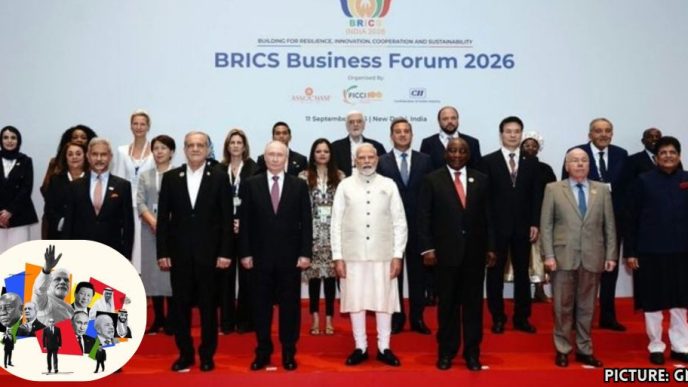
The ongoing water dispute was also a topic of discussion at the recent Shanghai Cooperation Organisation (SCO) summit held in Bishkek. During the summit, Indian Prime Minister Narendra Modi emphasized the need for action against countries that utilize terrorism as a tool of state policy. Modi’s remarks reflect India’s broader security concerns and its stance on regional stability, as he called for dismantling terrorist ecosystems that threaten peace in the region.
In contrast, Pakistan’s Prime Minister Shehbaz Sharif highlighted the importance of water as a vital resource, referring to it as the region’s “lifeblood.” He stated, “The treaties governing our shared waters are solemn, binding international commitments. They are not matters of political convenience to be cast aside at your will. They must be honoured unconditionally, in both letter and spirit.” Sharif’s comments underscore Pakistan’s insistence on the significance of adhering to international agreements amid escalating tensions.
The Path Forward
The divergence in perspectives between India and Pakistan on the IWT and related issues reflects not only the complexities of bilateral relations but also the broader geopolitical dynamics at play in South Asia. As both nations navigate their respective positions, the future of the Indus Waters Treaty and regional stability remain uncertain.
While Pakistan’s call for dialogue indicates a willingness to engage on the issue, India’s firm rejection of the tribunal’s ruling suggests a hardened stance that complicates the prospect for negotiations. The implications of this dispute extend beyond water-sharing; they touch upon issues of national security, regional cooperation, and international diplomacy.
As the international community watches closely, the actions of both nations in the coming months will be critical in determining whether the Indus Waters Treaty will remain a functional framework for cooperation or be further undermined by ongoing tensions and mistrust.