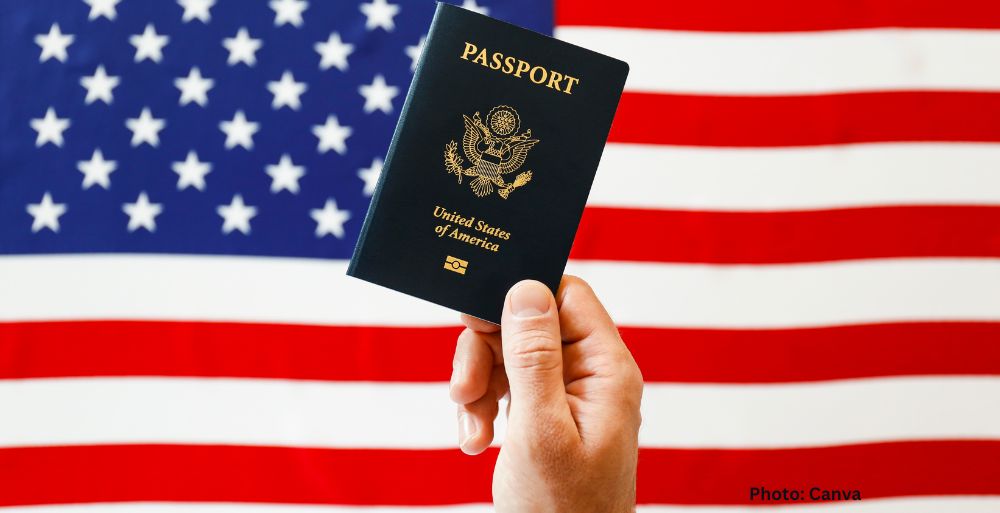
The Trump administration’s proposed changes to passport application procedures could significantly alter the process by requiring parents to prove their citizenship or immigration status, as part of ongoing efforts to limit birthright citizenship.
Washington: The Trump administration is preparing to implement a new requirement for parents applying for U.S. passports for their children, mandating that they prove their own citizenship or immigration status. This initiative is part of President Donald Trump’s broader strategy to limit birthright citizenship, as outlined in an August 6 executive order targeting what the administration refers to as “birth tourism.” This proposal represents the first detailed framework from the administration regarding how it intends to enforce these directives.
According to a statement from State Department spokesman Tommy Pigott, the administration is committed to preserving the value and meaning of American citizenship. Pigott stated, “President Trump has been unequivocal that this Administration will protect the meaning and value of American citizenship, full stop, and that includes making sure our passport adjudication process fully reflects that standard.”
Current Passport Application Process
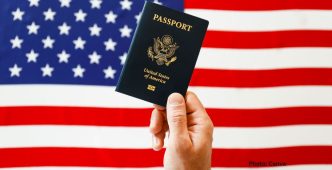
Under existing U.S. passport rules, parents applying for passports for their U.S.-born children must establish their relationship to the child and provide government-issued photo identification. While parents are required to declare their citizenship status on application forms, they currently do not have to submit documentation proving their immigration status.
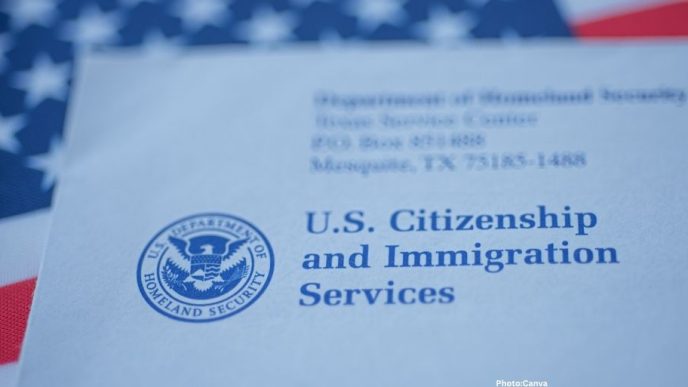
The proposed changes would alter this procedure significantly. The draft guidance from the State Department stipulates that parental information and evidence of citizenship or immigration status will be required to determine whether the child is subject to Executive Order 14418. This executive order is central to the administration’s strategy to redefine the criteria for birthright citizenship.
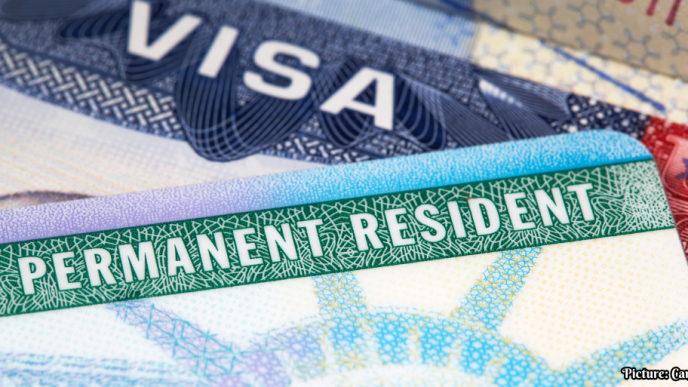
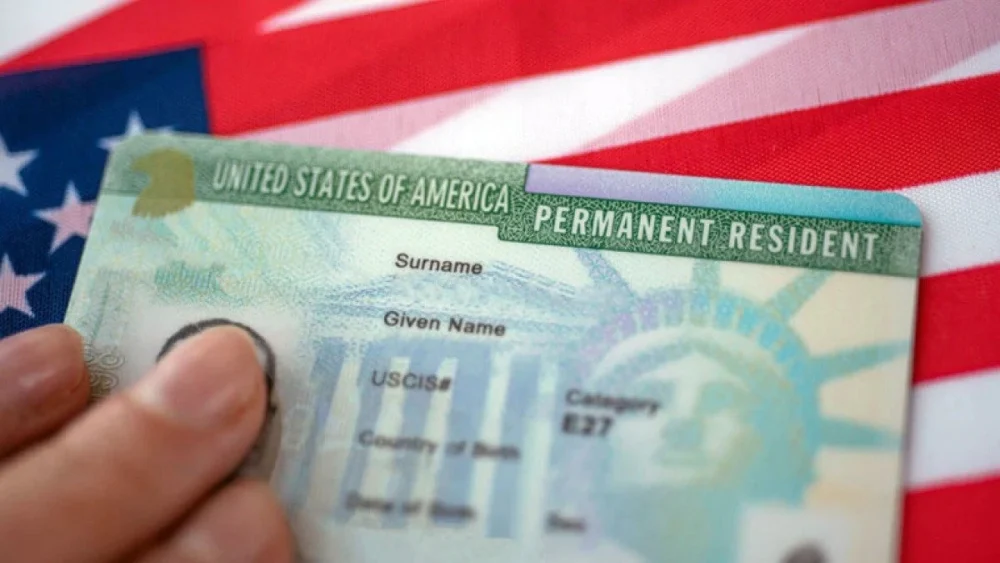
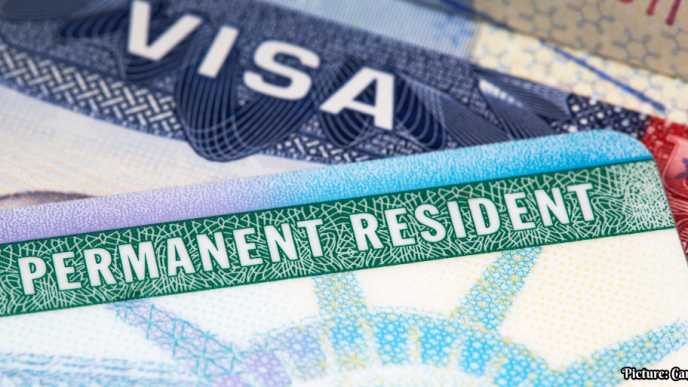
If enacted, the new rules would necessitate that all parents or legal guardians provide proof of citizenship, such as a valid U.S. passport or birth certificate, or evidence of their immigration status, such as an I-94 form or a legal permanent residency card. This information would help authorities evaluate a child’s eligibility for citizenship under the new executive order.
Objectives of the Proposed Changes
The primary aim of this directive is to restrict citizenship for children whose parents may fall into certain categories deemed ineligible. The proposed rules would withhold citizenship from children with a parent who works for a foreign government in the U.S., engages in fraudulent activities to obtain citizenship, or is classified as an “alien enemy.” This significant shift in policy underscores the administration’s ongoing efforts to reshape immigration regulations.
The push for these new passport rules coincides with ongoing legal challenges against Trump’s initiatives to limit birthright citizenship. Legal representatives of infants who could be affected by the administration’s orders are pursuing class-action lawsuits, requesting that federal courts prevent the enforcement of these new rules. One such case is currently before U.S. District Judge Deborah Boardman, who was appointed by President Joe Biden. During a recent hearing in Greenbelt, Maryland, Judge Boardman expressed skepticism regarding the unprecedented nature of Trump’s order and permitted plaintiffs to amend their lawsuit to consider whether to issue a block against it.
Attorneys from the Justice Department have countered these legal challenges, arguing that a restraining order would not be appropriate at this stage, as federal agencies have yet to publish official guidance on how the president’s directive will be implemented. This legal uncertainty has added another layer of complexity to the situation.
Trump’s Broader Citizenship Agenda
Limiting birthright citizenship has been a focal point of Trump’s immigration policy since he took office. A previous attempt to alter birthright citizenship was struck down by the U.S. Supreme Court, which ruled that his approach violated the Constitution. The administration’s initial executive order proposed granting automatic U.S. citizenship at birth only to children with at least one parent who held U.S. citizenship or lawful permanent residency.
In a significant 6-3 ruling, the Supreme Court determined that this order was unlawful, citing violations of the Citizenship Clause of the Constitution’s 14th Amendment. This legal precedent highlights the challenges the Trump administration faces in pursuing its citizenship agenda, particularly as it seeks to navigate the complexities of existing constitutional protections.
As the Trump administration moves forward with its plans, the implications for American families and the legal landscape surrounding citizenship remain uncertain. The proposed changes to passport application processes reflect a broader strategy to redefine citizenship rights in the United States, a topic that continues to provoke significant legal and political debate.