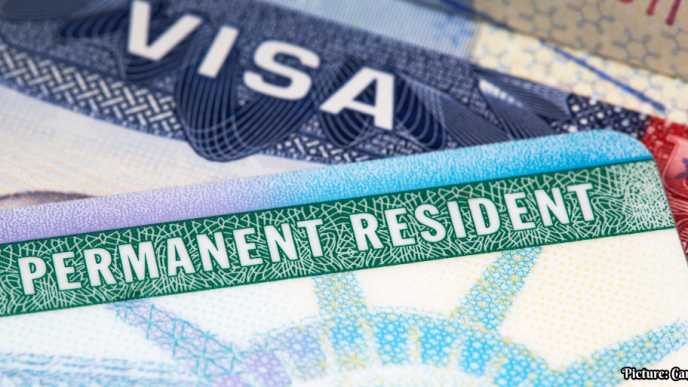
Significant changes to U.S. immigration policy will take effect in September 2026, including fixed admission dates for student visas and new public charge regulations for Green Card applicants, as well as the lifting of a travel ban affecting 75 countries.
The Department of Homeland Security (DHS) has announced several substantial updates to U.S. immigration regulations that are set to come into effect in September 2026. These changes are particularly focused on student visa holders and Green Card applicants, coinciding with the end of the fiscal year, which concludes on September 30, 2026. The reforms are part of a broader effort to streamline immigration processes and address economic considerations within the U.S. immigration system.
Termination of Duration of Status for Student and Visitor Visas
One of the most notable changes involves the replacement of the open-ended “Duration of Status” (D/S) model for F-1, J-1, and I visa holders. Starting September 15, 2026, these visa categories will no longer allow individuals to remain in the U.S. indefinitely as long as they are enrolled in educational programs. Instead, F-1 students will receive fixed admission dates tied to the completion of their studies or a maximum duration of four years, whichever is shorter.
This change is expected to have significant ramifications for international students, particularly those currently outside the U.S. Educational institutions have begun urging these students to return before the September deadline to avoid complications. In response to the new policy, several colleges and universities have communicated with their international student populations, emphasizing the importance of understanding these upcoming regulations.“We are advising our international students to plan their return to the U.S. as soon as possible to avoid being affected by the new rules,” said a spokesperson for a major university.
Further complicating matters, a lawsuit has been filed challenging the new D/S policy, with the first court hearing scheduled for September 3, 2026. The outcome of this legal challenge could impact the implementation of the rule, adding an element of uncertainty for affected students.
New Public Charge Regulations for Green Card Applicants
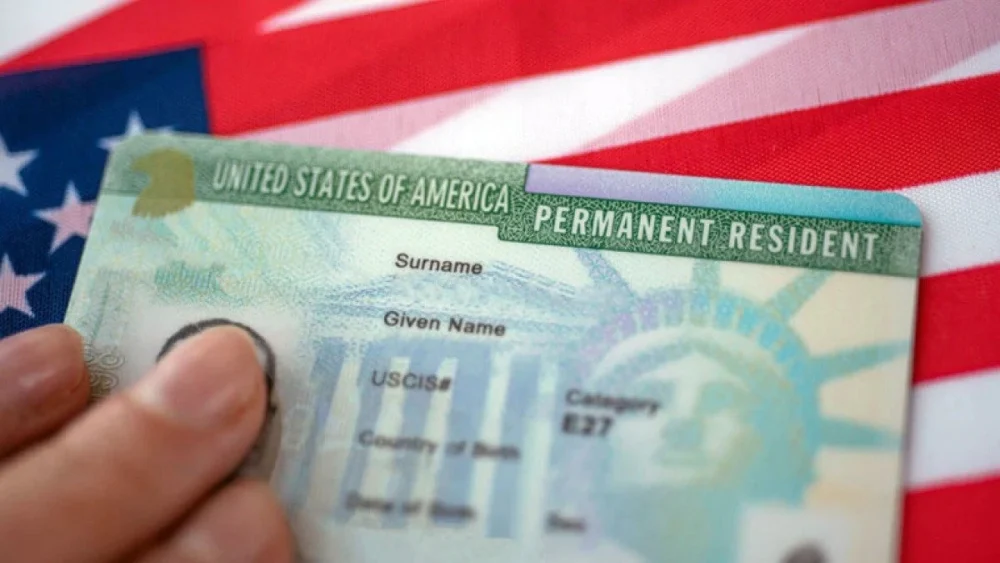
Another significant update is the introduction of new public charge inadmissibility rules for Green Card applicants, effective September 18, 2026. Under these regulations, immigration officers will have expanded authority to deny permanent residency applications based on an applicant’s financial situation. If an immigration officer determines that an applicant is likely to become dependent on government assistance, their application may be denied or they could be required to pay a public charge bond.
The DHS has clarified that benefits considered for this determination will vary based on when they were received. For means-tested public benefits obtained before September 18, 2026, only cash assistance for income maintenance and long-term institutionalization will be evaluated. However, any benefits received after this date will be assessed more comprehensively. “USCIS will review all relevant evidence in an alien’s record and make case-by-case decisions in the totality of the alien’s circumstances,” the DHS explained in a statement.
End of Fiscal Year Considerations and Visa Processing Challenges
September marks the conclusion of the U.S. government’s Fiscal Year 2026, prompting the Department of State to issue guidance regarding visa processing. High-demand employment categories, particularly EB-1 for individuals from India, EB-2 (Worldwide/India), and EB-5 Unreserved categories, are expected to reach their annual numerical caps. This could lead to retrogression or unavailability until the beginning of the fiscal year 2027, which opens on October 1, 2026.
Moreover, individuals selected for the Diversity Visa 2026 will have their entitlement officially expire on September 30, 2026, adding urgency for those applicants to finalize their visa processing.
Lifting of Travel Ban Affecting 75 Countries
A significant development in U.S. immigration policy is the recent lifting of a travel ban that had affected individuals from 75 countries. Initially imposed on January 21, 2026, the ban was rescinded due to a court order that took effect on August 21, 2026. The countries impacted by this ban include Afghanistan, Nigeria, and Yemen, among others.
Despite the lifting of the ban, U.S. embassies worldwide paused visa interviews throughout August for internal officer training. Consequently, while the ban is no longer in effect, the resumption of visa processing is expected to commence in September, potentially leading to further delays for applicants.
Implications and Future Outlook
As these new immigration rules take effect, various stakeholders, including educational institutions, immigrant advocacy groups, and potential immigrants themselves, will closely monitor their impacts. Educational institutions are particularly concerned about how these regulations will affect their international student populations, which have traditionally contributed significantly to the U.S. economy and cultural landscape.
The forthcoming changes reflect ongoing adjustments within the U.S. immigration system, emphasizing a shift towards more structured regulations aimed at addressing economic considerations and the management of immigration. As the landscape evolves, the implications for students, immigrants, and the broader society will continue to unfold, highlighting the complexity of navigating the U.S. immigration process in an ever-changing environment.