
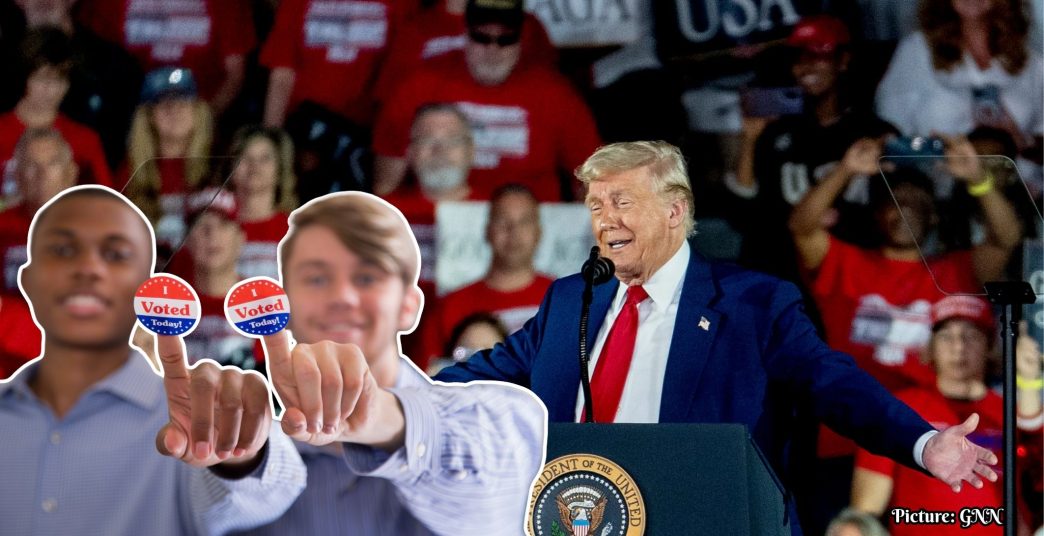
Recent polling indicates that a significant portion of Generation Z voters who supported President Trump in the past now express regret about their choice, reflecting broader dissatisfaction among young voters.
As the political landscape prepares for the fall midterm elections, a newly released survey by Navigator has found that 31 percent of Generation Z voters who backed President Donald Trump in the 2020 election now regret their decision. This sentiment is echoed among other age groups, with 28 percent of Millennials, 20 percent of Generation Xers, and 10 percent of Baby Boomers also reporting feelings of regret regarding their support for Trump.
The Navigator poll highlights the challenges facing Trump and the Republican Party as they gear up for the upcoming elections, particularly given that Gen Z was a notable demographic for Trump’s 2020 campaign. According to data from the Pew Research Center, Trump garnered 42 percent of voters from Generation Z, born in the late 1990s and early 2000s, compared to 55 percent for then-Democratic candidate Joe Biden.
Young Voters and Political Engagement
Tina Tang, the director of polling and analytics at Navigator, commented on the findings, stating, “Young Americans are telling us that politics is deeply important to who they are, but it doesn’t mean they’re happy with the current political system, or that they’re even optimistic about the direction of the country as a whole.” This sentiment is further reflected in the approval ratings for Trump among Gen Z, with only 33 percent expressing strong or somewhat favorable views of his presidency.
The survey also revealed that younger voters perceive politics as a significant part of their identity, with 40 percent of Gen Z respondents indicating that politics is “very important” to them. This is the highest percentage among all age demographics surveyed.
“Young Americans are disproportionately represented among people who are dissatisfied with Trump and the economy. It doesn’t mean they’re flocking to one party or another,” Tang added, emphasizing the nuanced political landscape that younger voters navigate.
Perceptions of Economic Leadership
The Navigator study also explored perspectives on economic management, revealing that 18 percent of Americans disapprove of how Trump is handling the economy, with Gen Z showing a higher rate of disapproval at 22 percent. This demographic’s concerns may create an opportunity for political parties that can effectively address affordability and economic issues.
“Gen Z is not a group that’s hard to understand,” Tang asserted. “Politics are important to them, but they are also pessimistic about the economy right now.” As parties strategize for the midterm elections, securing the Gen Z vote may hinge on their ability to present viable solutions to economic challenges.
Potential for Increased Voter Turnout
In a separate but related survey conducted by URGE and HIT Strategies, there are indications that young voter turnout may rise in the upcoming 2026 midterm elections. The poll found that 93 percent of young respondents stated they “will certainly” or “probably” vote, a marked contrast to previous elections where turnout among this demographic has been notably low. For context, a Pew Research Center poll indicated that only 45 percent of individuals aged 18 to 29 voted in the 2024 presidential election, compared to higher turnout rates in older age groups.
Roshni Nedungadi, a founding partner and chief research officer at HIT Strategies, noted the transformative moment for Gen Z. “I think that Gen Z is finding themselves at a real make-or-break point,” she said. “And they’re trying to participate more and find candidates who resonate with their viewpoints and who are going to act on that positive change that they want to see.”
Nedungadi suggests that Gen Z’s understanding of political power may differ from older generations, who often view voting as the primary avenue for political engagement. Many younger voters are more focused on community involvement and discussions around political issues on social media.
Motivation to Vote Amid Economic Concerns
Progressive content creators and activists within Gen Z, such as Ricardo Longoria, emphasize that economic challenges, particularly the “affordability crisis,” are motivating factors for increased voter engagement. Longoria stated, “We are seeing the importance that if we want any type of change in this country, we are going to have to vote,” adding that there are various issues important to Gen Z that make them feel excluded from political discourse.
As the Navigator poll sampled 3,000 registered voters between June 4 and July 27, with a margin of error of 2.2 percentage points, it underscores a pivotal moment for both political parties as they seek to engage a generation that is increasingly vocal about its needs and expectations.