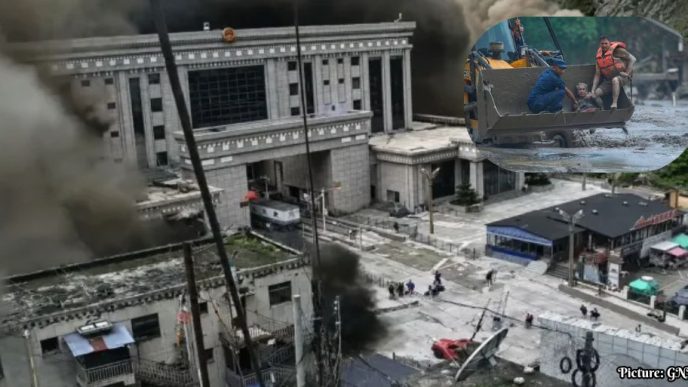
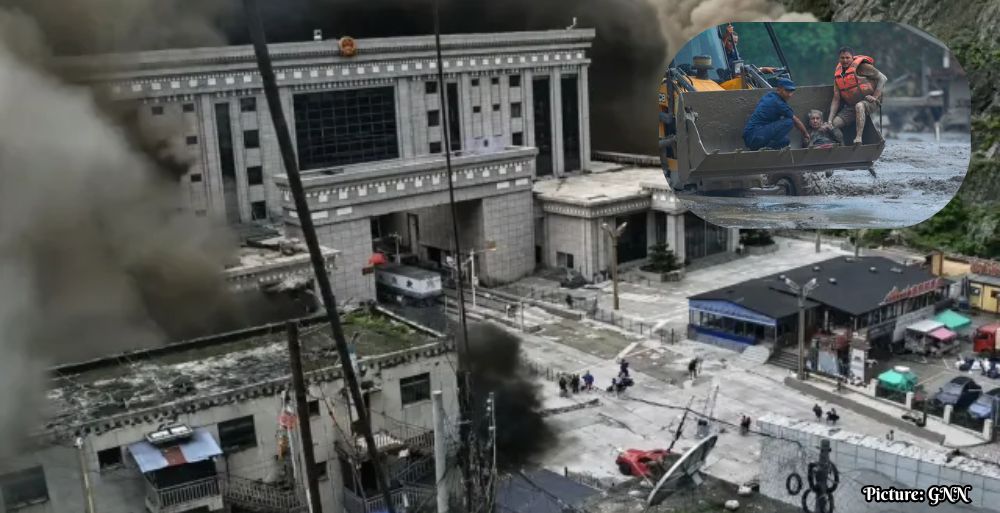
Rescue operations are underway in Nepal and Tibet following catastrophic flash floods that have claimed at least 579 lives and left nearly 2,000 missing, including many foreign nationals. The situation is exacerbated by fears of renewed flooding as rescue efforts continue amid challenging conditions.
Nepal’s disaster management authority has dramatically updated the number of individuals reported missing due to the devastating flash floods that struck on Wednesday, raising the figure to 1,924 as of Friday. This alarming statistic includes 517 foreign nationals, alongside 933 workers involved in hydropower projects along the rivers where torrents of mud and debris surged down from the mountains. The floods, triggered by intense rainfall, have resulted in a significant loss of life, with at least 579 confirmed dead as rescue efforts intensify.
Scope of the Disaster
The International Federation of Red Cross and Red Crescent Societies (IFRC) has provided a grim assessment, indicating that around 93,000 individuals may have been affected by the floods along the Nepal-Tibet border. The scale of the disaster has necessitated urgent rescue operations, which are being severely hampered by fears of additional flooding and the destruction of critical infrastructure, including roads and bridges. Many areas remain inaccessible, complicating relief efforts further.
Rescue teams have begun to recover bodies hundreds of miles downstream from the initial disaster zone in Chitwan district, located near the Tibetan border. Many injured individuals are being transported to Kathmandu for advanced medical treatment. The Nepali army has conducted several helicopter rescue operations, successfully saving over 100 people so far.
Impact on Foreign Nationals
Families, particularly those of foreign nationals, are growing increasingly anxious as the search for missing individuals continues. Among the missing are 33 British nationals, with reports indicating that a family from Surrey is believed to be among those unaccounted for. The family, comprising Santosh Sahu (46), CEO of UK pharmaceutical technology company Charac, his wife Surabhi Manmath Padhy (44), and their two children, Spandan Sahu (18) and Syna Kumari Sahu (13), has drawn significant media attention as relatives rush to Nepal in search of answers.
As rescue efforts proceed, fears of a second wave of flooding are mounting. Reports indicate that the Trishuli River began to rise again on Friday morning, further complicating rescue operations. Authorities have instructed residents to evacuate their homes in Bidur, the capital of Nuwakot district, after an overflow from a nearby lake, which has heightened fears of renewed flooding.
International Response
In light of the unfolding crisis, the European Union has pledged €2 million (approximately $2.3 million) in humanitarian aid to assist those affected by the floods. European Commission President Ursula von der Leyen expressed that this immediate aid would be crucial for delivering life-saving assistance to the hardest-hit families and communities.
Despite the offers of international assistance, Nepali officials have indicated that they currently do not require foreign aid for the ongoing search and rescue operations. Lok Bahadur Chhetri, a spokesperson for Nepal’s foreign ministry, stated, “Our security agencies are doing the search and rescue operation. For now, we don’t require such help.” This decision comes amidst heightened scrutiny and a desire to manage the immediate crisis independently.
Warnings of Further Flooding
Authorities on both sides of the Nepal-Tibet border have issued warnings regarding the potential for renewed flooding. Chinese state media has reported that an artificial lake formed by a mudslide poses a risk of flooding downstream. Nepal’s disaster authority has also confirmed that a lake created by debris blocking a river is rising and poses a threat of bursting, which could exacerbate the already dire situation.
Humanitarian Crisis
As rescue operations continue, humanitarian organizations are sounding the alarm over an impending disaster if access to affected areas remains restricted. David Fisher, the head of the IFRC delegation for Nepal, noted, “The trauma of this event is enormous. Thousands of homes have been destroyed or suffered significant damage.” The scale of the destruction is vast, with entire villages being swept away in the floods.
With ongoing searches and heightened concerns about further flooding, the death toll and number of missing individuals are expected to rise as rescue teams navigate the challenging conditions of the disaster zone. Families continue to wait anxiously for news of their loved ones, as the international community watches closely, prepared to offer assistance if necessary.
Personal Stories Amidst the Chaos
The human toll of the disaster is becoming increasingly evident as personal stories emerge from the chaos. Among those affected is an 8-year-old boy named Zoyal Ghale, who was airlifted from the devastated northern district of Rasuwa after being separated from his family during the floods. His mother, Matti Maya Tamang, had feared for the worst until she was reunited with him, highlighting the emotional strain and uncertainty faced by many families in the aftermath of this natural disaster.
The global community remains vigilant as reports of the disaster unfold, with various countries mobilizing resources to assist their nationals and aid in the rescue efforts. The UK government has deployed a rapid response team to support British citizens in the region, with Foreign Secretary Ed Miliband stating, “The scenes from Nepal are devastating, and our thoughts remain with everyone affected.” As the situation develops, the hope remains that rescue operations can succeed in bringing survivors to safety amidst the growing fears of further calamity.