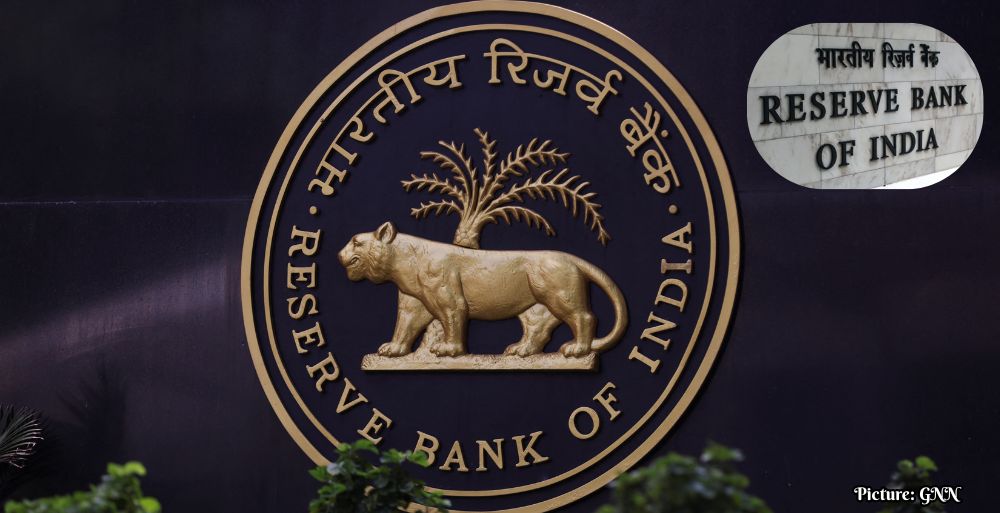
In a recent analysis, the Reserve Bank of India’s historical actions during economic crises demonstrate its pivotal role in supporting the Indian diaspora, particularly through strategic financial maneuvers in the early 1990s.
MUMBAI, August 27, 2026 – The Reserve Bank of India (RBI), under the leadership of then-Governor Sri Venkitaramanan from 1990 to 1992, played a crucial role in navigating the country through a period of significant economic turmoil. A recent Bollywood film titled “GOVERNOR: THE Silent Saviour” dramatizes these events, highlighting the challenges faced by the RBI and its efforts to stabilize the Indian economy during a time of international strife.
Set against the backdrop of the Gulf War, the film presents a fictionalized account of Venkitaramanan’s tenure, during which he is depicted as a key figure in negotiating the complexities of an IMF bailout, a critical lifeline for India at the time. Faced with mounting external pressures, including a precarious balance of payments crisis, Venkitaramanan’s strategies included facilitating the refueling of American fighter jets in Mumbai, a move designed to appease the United States, the largest shareholder in the International Monetary Fund (IMF).
The economic landscape of early 1990s India was characterized by stringent regulatory frameworks, often referred to as the Licence Raj, which stifled growth and innovation. The film portrays Venkitaramanan as a visionary who successfully persuaded Finance Minister Manmohan Singh to initiate a series of economic reforms aimed at dismantling these restrictive policies. This narrative aligns with historical accounts of Singh’s pivotal role in ushering in a new era of economic liberalization in India.
Historical Context of RBI’s Actions
The early 1990s marked a watershed moment in Indian economic history, as the country faced a dire financial crisis. The RBI, often viewed as the guardian of monetary stability, had to act decisively to restore confidence among investors and the public alike. In 1991, India’s foreign exchange reserves had dwindled to a mere $1 billion, sufficient to cover only a few weeks of imports. As a response, the government sought assistance from the IMF, which required stringent economic reforms in exchange for financial support.
During this time, the RBI’s actions were instrumental in securing a $1.8 billion loan from the IMF, which involved complex negotiations and the use of gold reserves as collateral. The story of Indian gold being transported to Switzerland and the UK for this purpose underscores the desperation of the situation and the lengths to which the central bank was willing to go to stabilize the economy.
The Impact on the Indian Diaspora
The support extended by the RBI not only aimed to stabilize the domestic economy but also sought to reassure the Indian diaspora, a significant stakeholder in the country’s economic future. The Indian community abroad has long been a vital contributor to the nation’s economy through remittances, investments, and advocacy. In the wake of the 1991 crisis, the RBI implemented measures that encouraged the diaspora to invest in India, thereby fostering a sense of stability and growth.
These measures included the introduction of Non-Resident Indian (NRI) accounts and special schemes that offered attractive interest rates to NRIs willing to deposit their funds in India. Such initiatives were crucial in bolstering the nation’s foreign exchange reserves and instilling confidence among the Indian community living abroad.
Legacy of Economic Reforms
The reforms initiated during this tumultuous period have had lasting effects on India’s economic landscape. The shift away from the Licence Raj towards a more market-driven economy has propelled India into a new era of growth, leading to an average annual GDP growth rate of around 6-7% in the following decades. The liberalization policies laid the groundwork for India’s emergence as one of the world’s fastest-growing economies.
Today, as the Indian economy continues to evolve, the actions and decisions made by the RBI during the early 1990s serve as a reminder of the institution’s critical role in safeguarding economic stability. The film “GOVERNOR: THE Silent Saviour” not only dramatizes these historical events but also serves to educate newer generations about the importance of sound monetary policy and the resilience of the Indian economy in the face of global challenges.
In conclusion, the RBI’s historical actions during the 1991 economic crisis reveal a complex interplay of domestic policy and international relations, significantly impacting the Indian diaspora and shaping the future of India’s economic policies. As the country moves forward, understanding this past will be essential for navigating future economic challenges.