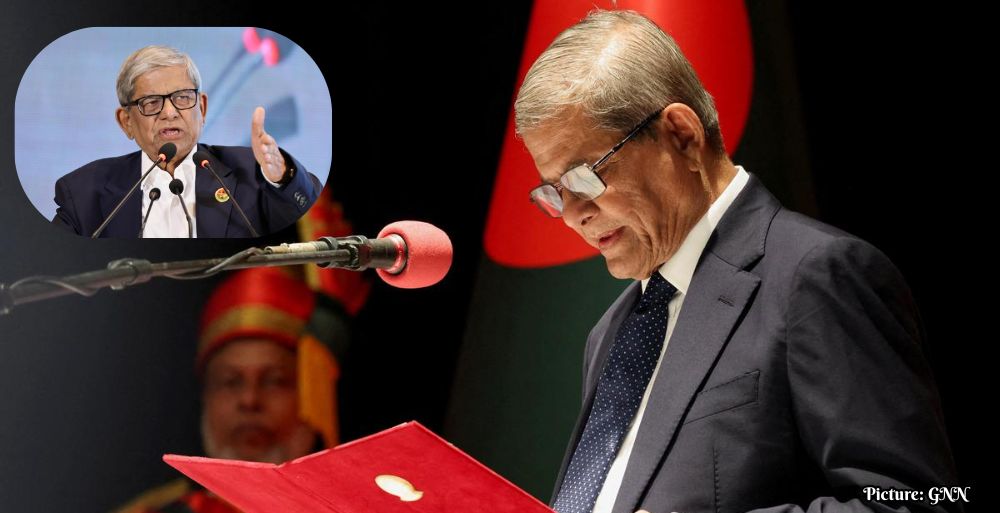
The election of Mirza Fakhrul Islam Alamgir as Bangladesh’s new President marks the first contested presidential election in 35 years, highlighting a significant shift in the country’s political landscape.
On August 20, 2026, Mirza Fakhrul Islam Alamgir, a senior leader of the Bangladesh Nationalist Party (BNP), was elected as the new President of Bangladesh. This election is particularly noteworthy as it represents the first contested presidential election in the country since 1991, a period during which the presidency has primarily been filled through consensus rather than competitive voting.
The election was necessitated by the resignation of Mohammed Shahabuddin, a close ally of former Prime Minister Sheikh Hasina, who vacated the office due to health concerns before completing his five-year term. The end of Shahabuddin’s presidency and the subsequent election of Alamgir underscore the evolving political dynamics in Bangladesh, which have been characterized by intense rivalry between the BNP and the ruling Awami League.
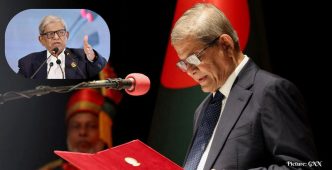
In the election, Mirza Fakhrul secured 255 votes from a total of 343 lawmakers who participated, while his opponent, Colonel (retd) Oli Ahmed, the chairman of the Liberal Democratic Party and candidate for the Jamaat-e-Islami-led 11-party opposition alliance, garnered 88 votes. Chief Election Commissioner AMM Nasir Uddin, who also served as the Election Returning Officer, confirmed the results, noting that six lawmakers did not cast their votes.
Historical Context
This election is significant not only for its competitive nature but also for its historical context. Since gaining independence in 1971, Bangladesh has experienced a tumultuous political history marked by periods of military rule, political violence, and significant challenges to democratic governance. The last contested presidential election occurred in 1991, following years of political unrest and the fall of military rule. Since then, the presidential office has largely been filled through consensus, which many critics argue has undermined democratic practices and limited political competition.
The political landscape in Bangladesh has been dominated for decades by two major parties: the Awami League, led by Sheikh Hasina, and the BNP, of which Alamgir is a prominent figure. Both parties have engaged in a fierce struggle for power, and the recent election results signify a potential shift in this long-standing rivalry. The BNP has positioned itself as a champion of democratic reforms, advocating for greater political freedoms and accountability in governance.
Implications for Governance and Policy
Mirza Fakhrul’s election as President may have far-reaching implications for Bangladesh’s governance and policy direction. As the leader of a party that has historically opposed the ruling Awami League, Alamgir’s presidency could signal a shift toward a more pluralistic political environment. His administration may prioritize democratic reforms, economic recovery, and social cohesion in a country facing numerous challenges, including rising inflation, social inequality, and political unrest.
Furthermore, Alamgir’s presidency could influence Bangladesh’s foreign relations, particularly with neighboring countries and international partners. The BNP has been critical of the Awami League’s handling of foreign policy, particularly regarding relations with India and China. As President, Alamgir may seek to recalibrate these relationships to reflect the BNP’s policy priorities and enhance Bangladesh’s standing on the global stage.
Upcoming Oath Ceremony
Mirza Fakhrul is scheduled to officially take the oath of office on August 21, 2026, at the Darbar Hall of Bangabhaban, the official presidential residence. This ceremony will mark the formal transition of power and is expected to attract considerable attention from both domestic and international observers. The event will symbolize a new chapter in Bangladesh’s political history, as the country moves beyond decades of consensus-driven politics.
As Bangladesh embarks on this new political journey under Alamgir’s leadership, the implications of his presidency for domestic policies, international relations, and the overall political climate remain to be fully realized. The coming months will be critical for the BNP as it navigates the complexities of governance, addresses pressing economic challenges, and responds to calls for democratic reform from various segments of society.
In conclusion, the election of Mirza Fakhrul Islam Alamgir as Bangladesh’s President represents a pivotal moment in the nation’s political history. The return to contested elections may set the tone for future governance and the role of political parties in shaping the democratic processes within the country. As the political landscape evolves, observers will be keenly watching how the new administration responds to the challenges and expectations of the Bangladeshi people.