President Donald Trump has declared significant military operations against Iran, reflecting a critical escalation in U.S.-Iran relations following recent militia attacks, with both nations continuing to engage in retaliatory strikes.
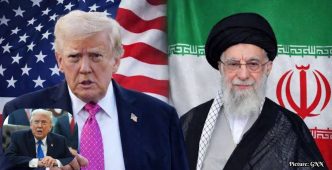
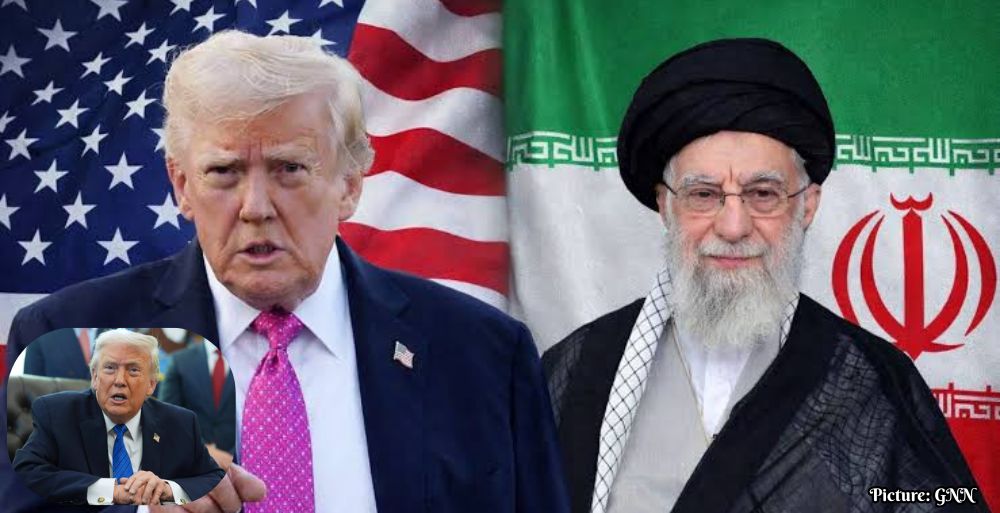
Washington, D.C. — On February 28, 2026, President Donald Trump officially announced the initiation of major combat operations against Iran in response to a series of militia attacks on Saudi Arabian interests. This declaration comes amidst escalating tensions between the United States and Iran, with the strategic Strait of Hormuz emerging as a pivotal flashpoint for military conflict.
The U.S. military, in coordination with Israeli forces, has launched extensive strikes targeting Iranian military, governmental, and infrastructural sites. This significant military escalation highlights the deteriorating relationship between the two nations, which has been characterized by a series of retaliatory attacks and military posturing over the past several months.
Military Escalation and Presidential Statements
In a recent address, President Trump underscored the urgency of the military response, stating, “it’s our turn” to retaliate against Iran, indicating an intention to strike back “very hard” following reported Iranian actions against U.S. forces. During the Oval Office event, he noted that five rockets aimed at U.S. positions were intercepted, emphasizing the effectiveness of U.S. defense systems. Trump said, “They know it’s coming. They’re asking us not to do it, but you know they tried shooting it last night,” illustrating his administration’s commitment to a robust military response.
Despite the aggressive military stance, Trump also indicated an openness to diplomatic negotiations aimed at de-escalating the conflict, stating, “We’ll see if we get there with an agreement at some point.” This dual approach of military readiness coupled with a willingness to engage diplomatically reflects the complexities of U.S. foreign policy in the region.
Ongoing U.S.-Iran Negotiations
Amidst the military operations, negotiations between the U.S. and Iran have been ongoing, with delegations from both countries entering discussions in June 2026 based on a memorandum of understanding intended to curtail hostilities. However, these negotiations have been complicated by the continuous exchanges of strikes, undermining the potential for a peaceful resolution.
During a recent meeting at the White House, President Trump and Israeli Prime Minister Benjamin Netanyahu discussed strategies to prevent Iran from advancing its nuclear capabilities. A senior Israeli official reported that Netanyahu refrained from expressing a clear preference for military action when asked about the options available to counter Iran. The official characterized the dynamic between the two leaders, stating that Trump is viewed as the “senior partner” while Netanyahu assumes a more subordinate role in their discussions.
The Israeli official also issued a stark warning to Iran, asserting that any attack on Israel would elicit a swift and forceful response, emphasizing the heightened sensitivities surrounding regional security and the potential for broader conflict.
Questions regarding the status of Iran’s nuclear materials have also arisen amid these discussions. While an Israeli official claimed that the materials had not moved from facilities previously targeted by U.S. strikes, they later tempered that assertion, saying, “We think we know where it is” without providing further details. This ambiguity underscores the complexities of intelligence assessments in the context of military operations.
Impact on U.S. Military Resources
As military operations against Iran escalate, a report from the Center for Strategic and International Studies (CSIS) has revealed significant depletion of U.S. air defense resources. The report estimates that the U.S. stockpile of Patriot interceptors has been reduced by 65% since combat operations commenced on February 28. This reduction reflects the ongoing military engagements that have strained U.S. defense capabilities and raised concerns about national security readiness.
According to CSIS findings, as few as 759 Patriot missiles remain in the U.S. stockpile, a substantial decrease from previous levels. The U.S. produces 183 of these interceptors annually; however, the delivery process can take approximately 3.5 years from contract signing to actual deployment, raising alarms about the military’s capacity for sustained engagement in the region.
Regional Developments and Security Concerns
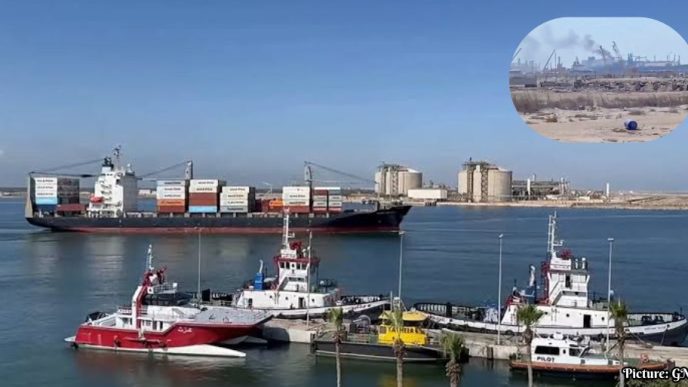
In parallel to the escalating tensions between the U.S. and Iran, reports have emerged from Egypt regarding a fire at Damietta port, initially speculated to be the result of a drone attack. The Egyptian Ministry of Petroleum and Mineral Resources confirmed that a fire broke out on a regasification vessel but did not specify the cause. This incident further highlights the precarious security situation in the region amid heightened military activity, with implications for international shipping and energy supplies.
The situation remains fluid, with potential ramifications for U.S. foreign policy, regional security, and military readiness. The ongoing negotiations, military operations, and intelligence assessments will play a decisive role in shaping the future of U.S.-Iran relations and the overall stability of the Middle East.
As the geopolitical landscape continues to evolve, the actions taken by both the U.S. and Iran in the coming days will be critical in determining whether the current trajectory leads toward further conflict or a potential diplomatic resolution.