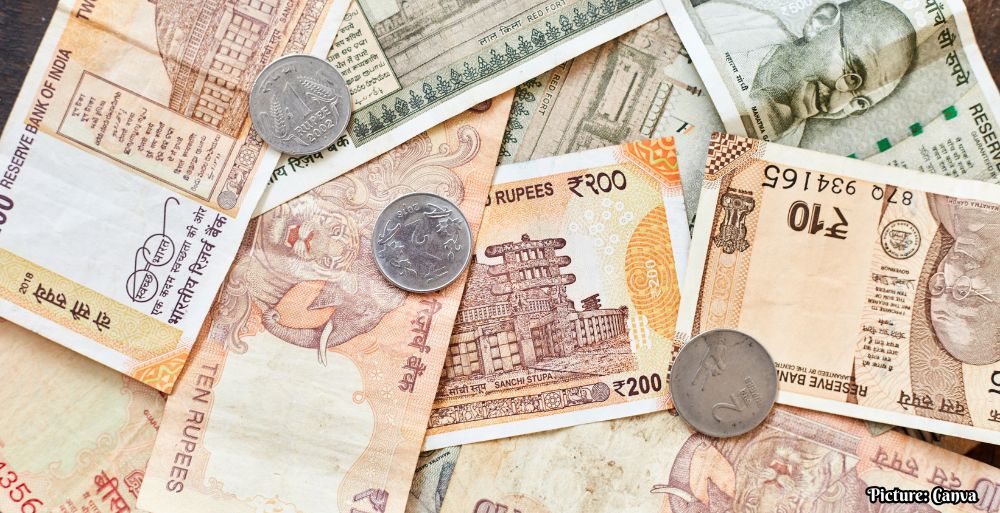
The Indian government has approved the Reserve Bank of India’s proposal to conduct field trials for polymer banknotes in ₹10 and ₹20 denominations, a move aimed at enhancing the durability of currency while not replacing existing paper currency.
The Government of India has formally approved a proposal from the Reserve Bank of India (RBI) to introduce polymer banknotes in ₹10 and ₹20 denominations, marking a significant development in India’s currency management strategy. This decision comes more than a decade after a similar initiative was first proposed but subsequently stalled. Minister of State for Finance Pankaj Chaudhary confirmed the approval during a recent session of the Lok Sabha, emphasizing that the introduction of polymer notes is intended for field trials only, and there are no plans to completely replace the existing paper currency system.
Details of the Polymer Note Trials
As part of the initiative, the RBI plans to issue one billion pieces each of the ₹10 and ₹20 polymer notes for testing purposes. This revival follows a recent tender issued by Bharatiya Reserve Bank Note Mudran Private Limited (BRBNMPL), which is a subsidiary of the RBI. The tender signals a preparatory step towards the implementation of these polymer notes, which are expected to have a significantly longer lifespan than traditional paper notes.
Chaudhary indicated that international studies have shown polymer notes possess durability advantages, making them more cost-effective over time. The trials will assess the feasibility and practicality of introducing these notes into circulation, but the minister noted that the impact on digital payment systems remains uncertain and will only be evaluated after the regular issuance begins.
Historical Context of Polymer Currency in India
The concept of polymer banknotes was first introduced in India in 2012, when the RBI, in collaboration with the Government of India, initiated plans to print one billion ₹10 polymer notes for trial in select cities. However, the initiative did not progress as expected. The current revival of this plan indicates a renewed interest in adopting more durable currency solutions, particularly as global trends have shifted towards the use of polymer banknotes.
Globally, polymer currency has gained traction, with over 60 countries, including Australia, the United Kingdom, and Canada, having adopted some form of polymer notes. Australia was the pioneer, introducing polymer banknotes in 1988, and its experience has influenced other nations to follow suit.
Advantages of Polymer Notes
The primary advantage of polymer banknotes lies in their durability. Research shows that these notes can last between two to six times longer than traditional paper currency, especially lower denominations that tend to circulate more frequently. Although the initial production cost of polymer notes is higher, the reduced need for replacements and lower logistical costs can lead to overall savings for the government.
Additionally, the environmental impact of producing polymer notes has been a consideration. Studies, including a June 2016 article by the International Monetary Fund (IMF), have highlighted the potential for polymer currency to reduce global warming and energy consumption when compared to paper banknotes. The IMF’s analysis showed that polymer notes could lower global warming potential by 32% and primary energy demand by 30% compared to their paper counterparts.
Current Landscape of Currency in India
As of March 2026, the total value of currency in circulation in India was reported at ₹41.23 lakh crore, reflecting a year-on-year growth of 12%. The ₹500 denomination continues to dominate this circulation, comprising 86% of the total value of notes. The RBI has also reported a nearly 24% decrease in printing costs, which fell to ₹4,875 crore in FY26, a trend attributed in part to the anticipated benefits of switching to polymer notes.
The potential shift to polymer notes underscores a broader trend within global economies to enhance the security and longevity of currency while addressing environmental concerns associated with traditional paper currency production. The RBI’s continued exploration of polymer currency illustrates India’s efforts to modernize its banking infrastructure and align with international best practices.
Looking Ahead
The introduction of polymer banknotes in India is still in its preliminary phase, with the field trials expected to provide critical data that will inform future decisions on currency management. The government has reiterated that polymer notes will coexist with existing paper currency, ensuring that the transition, if successful, will be gradual and measured. This approach reflects a commitment to both innovation and stability in the Indian financial system.