Sonam Wangchuk concluded his 26-day hunger strike, highlighting negotiations with government officials and concerns over potential violence, while urging continued peaceful protests for educational reforms.
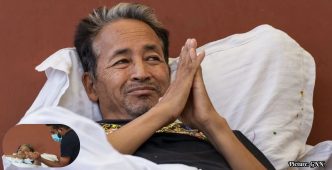
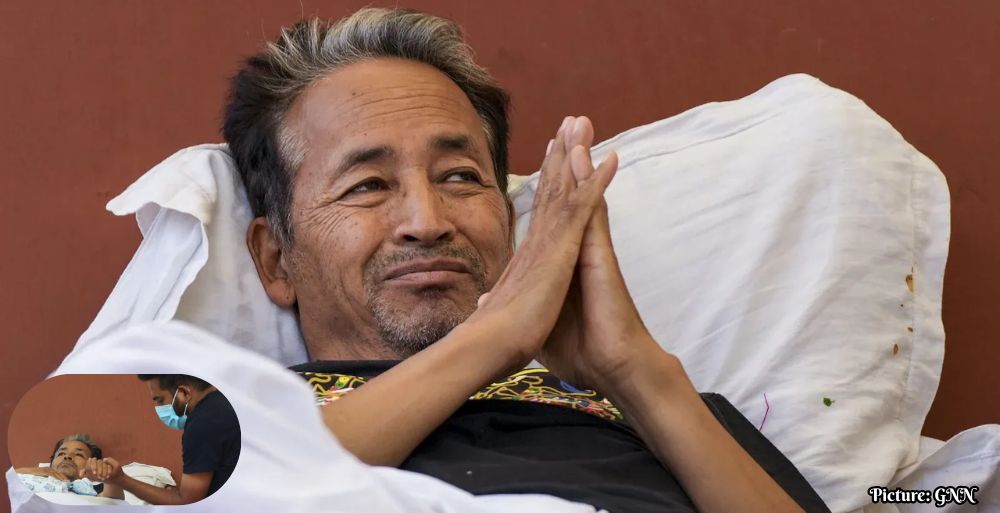
GURGAON, India — Prominent activist Sonam Wangchuk ended a 26-day hunger strike late Thursday night at Medanta Hospital in Gurgaon, a fast that had garnered significant attention and support amid a growing student protest movement in India. Wangchuk’s hunger strike was aimed at advocating for demands put forth by the Cockroach Janta Party (CJP), a political group that has been rallying for accountability and reform in the education sector, particularly following a series of tragic incidents involving student suicides linked to examination issues.
In a statement shared on social media platform X, Wangchuk expressed that he had decided to break his fast after what he described as a ‘long negotiation’ process with government officials. This included discussions with Union Ministers JP Nadda and Dr. Jitendra Singh, along with representatives from the Apex Body of Leh Ladakh. Wangchuk noted the involvement of 65 Members of Parliament from various political parties who had either visited him or signed letters urging him to end his fast. He stated, “This was done after a long negotiation on various conditions and in view of possible violence in the country.”
Wangchuk emphasized the need for vigilance and peace among protesters as tensions escalated in various parts of the country. “I will explain the conditions in detail in a separate video very soon,” he added, while stressing the importance of avoiding violence in any form. “Peace and only peace is my way,” he remarked, addressing concerns about “anti-social elements” attempting to provoke unrest during the protests.
Government Response and Broader Implications
In reaction to Wangchuk’s decision to end his hunger strike, Prime Minister Narendra Modi took to social media, urging the activist to follow medical advice and focus on his health. “I pray to the Lord that Sonam ji remains healthy,” Modi wrote, recognizing the toll that such a prolonged fast can take on an individual’s wellbeing.
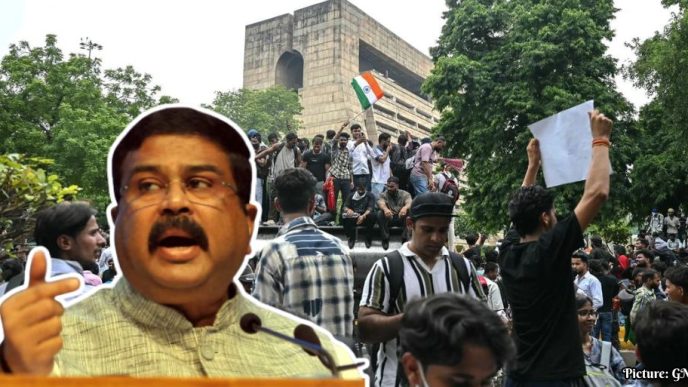
Abhijeet Dipke, founder of the CJP, expressed relief and gratitude for Wangchuk’s decision to conclude the hunger strike. In a post on X, he praised Wangchuk for his extraordinary courage and the impact of his actions on the national consciousness. “Your life is far too precious to this country,” Dipke stated, reaffirming that the CJP’s peaceful protests at Jantar Mantar would continue until the resignation of Union Education Minister Dharmendra Pradhan is achieved.
Background of Student Protests
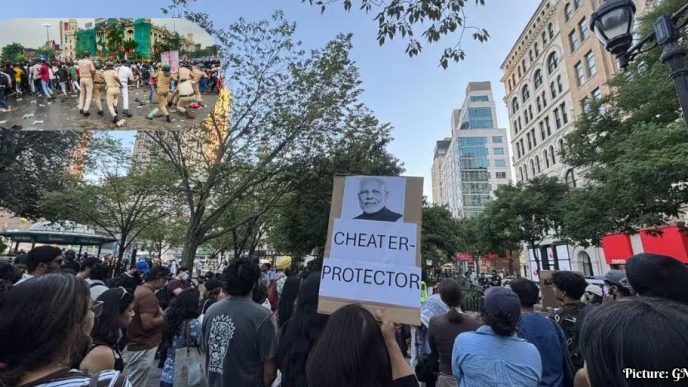
The protests, which have gained considerable momentum, were initially ignited by allegations of examination paper leaks that led to the tragic suicides of several students. Activists and student organizations have rallied around these events, demanding accountability and systemic reforms within the education sector, particularly concerning the integrity of examinations and the welfare of students.
Earlier on the day Wangchuk ended his fast, he released a letter addressed to Union Ministers JP Nadda and Jitendra Singh, following their visit to him at the hospital. While he refrained from directly demanding Pradhan’s resignation, he indicated that the ministers had assured him the government would consider providing “adequate compensation for the families of the students who had committed suicide” as a result of the distress caused by examination-related issues. He also mentioned a promise for “meaningful discussions in Parliament” regarding accountability and systemic reforms.
The Role of Activism in Educational Reform
Wangchuk’s hunger strike and the subsequent discussions with government officials underscore the pressing issues facing India’s education system, particularly the mental health crisis that many students are experiencing. The government’s response to the protests could establish a significant precedent for how educational grievances are addressed in the future. Activists are advocating for reforms that not only address immediate concerns but also foster a supportive environment for students across the nation.
As Wangchuk urged for peace amid rising tensions, the ongoing situation at Jantar Mantar serves as a poignant reminder of the critical importance of civil discourse in tackling systemic issues within the educational framework. The activism displayed in this situation reflects broader societal concerns regarding the pressures faced by students and the need for a comprehensive approach to educational governance that prioritizes mental health and student welfare.
Looking Ahead
The conclusion of Wangchuk’s hunger strike may mark a pivotal moment in the ongoing struggle for educational reform in India. As protests continue at Jantar Mantar and elsewhere, the implications of these events may influence policy discussions and shape the future landscape of education in the country. The calls for accountability and reform are not just about individual cases but represent a larger movement striving for a more equitable and supportive educational system.
With lawmakers and government officials now under increased scrutiny, the next steps taken by the government will be crucial in determining whether meaningful change can be achieved in response to the demands of students and activists alike. The evolving situation remains a testament to the power of activism and the importance of dialogue in addressing the challenging issues that impact the educational sector in India.