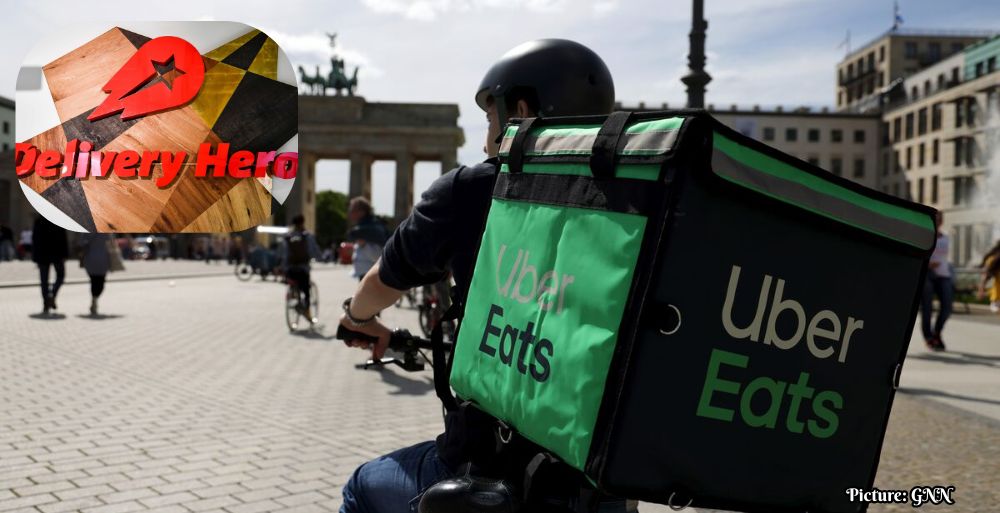
A $14.8 billion acquisition agreement between Uber and Delivery Hero marks a significant development in the global food delivery industry, aiming to create a more competitive landscape.
San Francisco-based Uber Technologies, Inc. has announced a definitive agreement to acquire the German food delivery company Delivery Hero for approximately $14.8 billion. The transaction, valued at €41.50 per share, reflects Uber’s strategic move to consolidate its position in the highly competitive food delivery market, which has seen significant growth over the last two decades.
The deal is structured such that Uber will pay $13.7 billion after accounting for its existing stake in Delivery Hero, which it has gradually increased over the past few years, culminating in the most recent purchase in May 2023. This acquisition will enable Uber to combine its Uber Eats platform with Delivery Hero’s various brands operating in 99 countries, including foodpanda in Asia, PedidosYa in Latin America, and talabat in the Middle East. Collectively, these brands are projected to handle approximately $236 billion in orders by 2025.
Regulatory Considerations and Market Dynamics
As part of the acquisition, Uber will not take ownership of Delivery Hero’s operations in 14 countries where it already has a strong market presence. Instead, these assets will be divested to SSW Partners, a private equity firm based in New York, for approximately $1.6 billion. This strategic decision aims to address potential antitrust concerns by preventing Uber from monopolizing markets where both companies currently compete.
Delivery Hero does not operate in the UK, where Uber Eats holds a substantial market share. This acquisition comes at a time when the food delivery industry is undergoing a transformation, driven by the need for companies to achieve greater scale and efficiency. The pandemic-induced surge in food delivery has led to increased competition and subsequent consolidation within the industry. For instance, DoorDash’s acquisition of British rival Deliveroo for £2.9 billion and Prosus’s takeover of JustEat Takeaway for €4 billion are notable examples of this trend.
Support from Leadership and Future Commitments
Delivery Hero’s board and executive team have expressed unanimous support for the takeover, with intentions to recommend the deal to shareholders. Kristin Skogen Lund, chair of Delivery Hero’s supervisory board, emphasized the competitive nature of the food delivery business, stating, “The food delivery business is highly competitive and scale-dependent. It is challenging to build from a European base, yet we have achieved an enormous amount over 15 years. Joining forces with a strong partner now is the right move for Delivery Hero to best secure its future competitiveness and ability to deliver value for all our stakeholders.”
In conjunction with the acquisition, Uber has committed to maintaining Delivery Hero’s headquarters in Berlin and ensuring no layoffs occur until at least 2029. Furthermore, Uber plans to invest €2 billion in Germany over the next five years, underscoring its commitment to the local economy and workforce.
Strategic Benefits and Market Expansion
Upon the deal’s completion, Uber intends to expand its operations to offer taxi services and food delivery in 58 markets, a notable increase from the current 34 markets. Uber’s leadership believes that customers who utilize both taxi and food delivery services tend to generate three times more revenue within the app, reinforcing the economic rationale behind this acquisition. Dara Khosrowshahi, Uber’s CEO, stated, “By bringing our platforms together, we will extend affordable, reliable delivery to many millions more people in many of the world’s most dynamic economies, while creating more opportunities for merchants and couriers.”
A Historical Perspective on Delivery Hero
Founded in 2011 by Niklas Östberg in Germany, Delivery Hero has expanded significantly since its inception, going public on the Frankfurt Stock Exchange in 2017. The company has navigated considerable challenges in the food delivery landscape, particularly as it faced pressure from activist investors, which led to Östberg’s departure in May 2023. Reflecting on the company’s journey, he expressed gratitude for the contributions of the team over the years and anticipation for the future under Uber’s stewardship.
Delivery Hero’s operational footprint has encompassed over 30 brands across various regions, including Europe, Asia, and the Middle East. This extensive network allows the company to cater to diverse consumer preferences and regional market dynamics, making it a prominent player in the global food delivery space. With the merger, Uber aims to leverage Delivery Hero’s established brands and technology to enhance its service offerings and penetrate new markets more effectively.
Implications for the Food Delivery Market
The anticipated closing of the deal is expected in the second half of 2027, contingent on regulatory approvals and other customary closing conditions. This acquisition represents a critical juncture in the evolution of the food delivery industry, as major players seek to adapt to changing consumer preferences and competitive pressures. The consolidation trend is likely to continue as companies strive to achieve operational efficiencies and better serve an increasingly demanding customer base.
As the food delivery market matures, it faces ongoing challenges, including worker compensation, regulatory scrutiny, and sustainability issues. The pressure on delivery companies to balance profitability with fair treatment of gig workers has intensified, leading to calls for reforms and legislative action in various jurisdictions. Observers of the industry will be closely monitoring how this acquisition will impact operational practices and market strategies for both Uber and Delivery Hero.
In summary, the merger of Uber and Delivery Hero signifies a noteworthy shift in the global food delivery industry, potentially reshaping competitive dynamics and influencing market trends in the years to come. As both companies prepare for the integration process, stakeholders from investors to consumers will be paying attention to how this strategic alliance unfolds and its implications for the future of food delivery.