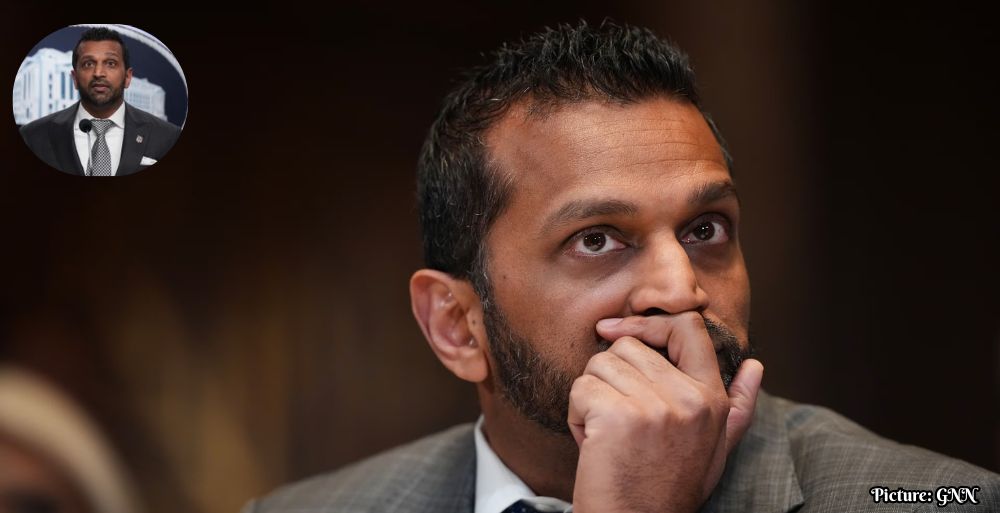
FBI Director Kash Patel’s delayed disclosure of a six-figure stock purchase raises significant concerns regarding his adherence to federal ethics laws designed to prevent conflicts of interest among senior government officials.
FBI Director Kash Patel is currently under scrutiny for failing to disclose a substantial stock purchase in MicroStrategy, a technology company with significant ties to the Justice Department. Financial records reviewed by NOTUS indicate that Patel acquired between $100,001 and $250,000 in MicroStrategy stock on November 21, 2025, but did not report the transaction until May 26, 2026. This disclosure came nearly six months after the purchase, well beyond the 45-day reporting deadline mandated by the Stop Trading on Congressional Knowledge Act (STOCK Act).
Understanding the STOCK Act and Its Implications
The STOCK Act was enacted in 2012 to combat insider trading by government officials and enhance transparency around their financial dealings. It requires senior executive branch officials, including the FBI Director, to report any stock trades exceeding $1,000 within 45 days. Noncompliance can result in civil penalties, with first-time violations typically incurring a fine of $200. The act aims to foster public trust in government by ensuring that officials are held accountable for their financial transactions, which could potentially influence their responsibilities.
Details Surrounding Patel’s Disclosure
In a letter to the Office of Government Ethics, Patel characterized the late filing as an “inadvertent omission” from his financial disclosures. He attributed the oversight to a misunderstanding, a claim supported by Deputy Assistant Attorney General William Taylor, who defended Patel’s actions, asserting that he remains in compliance with applicable laws and regulations concerning conflicts of interest. Taylor specified that the delay stemmed from a “miscommunication” regarding the reporting requirements.
Additionally, an FBI official familiar with the situation informed NOTUS that the late disclosure was unintentional and that, as of the reporting date, the Justice Department had not imposed any penalties against Patel for this violation.
Potential Conflicts of Interest
The nature of Patel’s investment raises significant questions about potential conflicts of interest, particularly given MicroStrategy’s history of contracts with the Justice Department. Since the FBI operates as a component of the Justice Department, Patel’s financial ties to a company that has benefited from government contracts could be perceived as compromising his impartiality. Critics have expressed concerns that such financial interests may influence his oversight of investigations that involve MicroStrategy or similar entities.
Reactions from Government Watchdogs
Government watchdog organizations have expressed skepticism about the explanations provided for Patel’s delayed disclosure. Dylan Hedtler-Gaudette, acting vice president of the Project on Government Oversight, stated, “That’s violating the law — no other way to put it.” These organizations emphasize the importance of accountability and transparency in government financial disclosures, particularly in light of the potential ethical implications surrounding high-profile officials.
The FBI’s Position and Actions Taken
The FBI has indicated that Patel proactively submitted an amended disclosure after recognizing the omission. According to the agency, the updated filing has since been approved by a Justice Department ethics official, highlighting the agency’s efforts to rectify the situation following the controversy surrounding the stock transaction. This response aims to clarify Patel’s compliance with ethical standards amid ongoing scrutiny.
Background on MicroStrategy and Its Leadership
Founded in 1989, MicroStrategy has recently pivoted towards cryptocurrency, positioning Bitcoin as its primary reserve asset since 2020. The company’s CEO, Michael Saylor, is known for his close ties to influential political figures, including members of the Trump family. Eric Trump, in particular, has been associated with Saylor in the cryptocurrency space, further intertwining the political and financial spheres. Reports indicate that the Trump family has generated substantial wealth from cryptocurrency ventures, reportedly earning over $1 billion in the past year alone.
This situation underscores the delicate balance between private financial interests and public service, particularly for officials in positions of power. The ongoing scrutiny of Patel’s financial disclosures and the surrounding ethical concerns highlight the necessity for rigorous adherence to transparency laws within the government, especially regarding significant financial transactions.
Looking Ahead
As investigations into Patel’s disclosures continue, both government officials and watchdog organizations will be closely monitoring the developments to ensure that ethical standards are upheld within federal leadership. The implications of this case could influence future discussions on government ethics and transparency regulations, underscoring the need for vigilance in the enforcement of the STOCK Act and related laws.
In summary, the delayed disclosure of Kash Patel’s stock purchase raises critical questions about compliance with federal ethics laws designed to prevent conflicts of interest. The case serves as a reminder of the importance of transparency and accountability in government, particularly for officials whose financial decisions may impact their professional responsibilities.