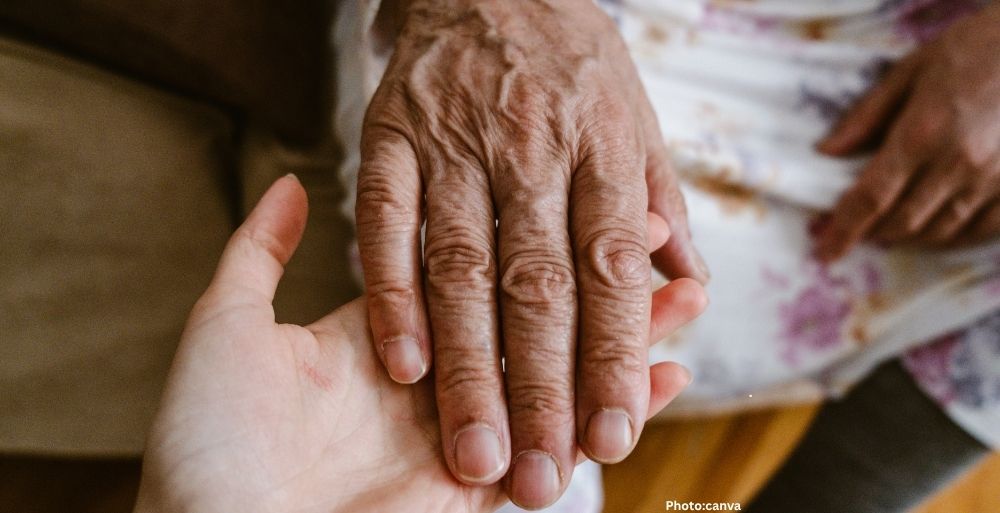
The Kerala government has launched a dedicated department for elderly welfare to address the challenges posed by an ageing population and increasing social isolation among seniors, as many families are separated by migration.
THIRUVANANTHAPURAM, India – The Government of Kerala has announced the establishment of a dedicated department for elderly welfare, a move aimed at tackling the increasing social isolation and care challenges faced by the state’s ageing population. This initiative is the first of its kind in India and comes as Kerala grapples with the consequences of significant migration and a changing social fabric.
At the heart of this issue is the story of 70-year-old T.O. Dominic and his wife, M.J. Martha. Living in a house that once echoed with the laughter of children, the couple now finds themselves largely alone. Both of their sons have left home in search of better employment opportunities—one in Karnataka and the other in the Middle East. Their daily routine consists of phone calls with their sons, which provide some comfort but do little to alleviate the challenges of daily living.
“We depend entirely on our neighbours,” Dominic explained. “Our children visit very rarely, and we don’t have relatives nearby to assist us. Things are becoming increasingly difficult.” Martha added, “Loneliness has become an increasingly common part of growing old.”
The Ageing Crisis in Kerala
Kerala, known for its high literacy rates and robust healthcare system, has the highest proportion of elderly residents among India’s major states. A recent report by the Reserve Bank of India projected that by 2036, nearly 22.8% of Kerala’s population will be over 60, compared to a national average of 14.9%. This demographic shift reflects both social progress—such as improved healthcare and lower birth rates—and the impacts of migration, where many young people seek work abroad, often leaving their elderly parents behind.
The government’s new strategy focuses on “ageing in place,” which aims to help older individuals remain in their homes and communities rather than moving to institutional care. Dr. Rathan Kelkar, head of the newly established department, stated that this initiative will include expanding community and home-based care, implementing “social prescribing” to connect older adults to meaningful activities, and introducing a certified caregiver training program to bolster the workforce for elderly care.
“Ageing is no longer just a welfare issue,” Kelkar noted. “It cuts across healthcare, housing, transport, local governance, technology, employment, safety, financial services, and community life.”
Emotional Burdens of Separation
The emotional toll of migration is significant for many elderly residents. A Sydney-based IT professional, whose parents live alone in Kerala, shared, “Even though I regularly send money home, financial support alone is not enough. Being physically present during important moments—especially medical emergencies or simply providing emotional support—is something money cannot replace.”
He described feelings of helplessness when his parents fell ill, relying on phone and video calls to provide support from thousands of kilometers away.
Government Initiatives and Challenges
Kelkar emphasized that the new department will not start from scratch; existing programs, such as pensions and the Vayomithram community-based palliative care system, will be integrated into a cohesive framework. However, he acknowledged that infrastructure alone will not resolve the multifaceted issues of ageing.
“Loneliness and social isolation have become defining challenges of ageing in Kerala,” he added. To combat this, the department is exploring the creation of volunteer networks and community programs to foster social connections among seniors.
The government’s initial budget allocation of 100 million rupees (approximately $1.06 million) for elderly welfare this year has been met with skepticism; some experts describe it as largely symbolic. Kelkar clarified that this funding is intended to build coordination capacity, support pilot projects, and develop necessary data systems for a long-term strategy.
Broader Implications for Elderly Care
Healthcare professionals have raised concerns regarding the overall inadequacy of geriatric care in India. Dr. Prasun Chatterjee, who leads the geriatrics unit at Apollo Hospital in Delhi, pointed out that many older patients live alone after losing spouses or seeing their children migrate. He noted a significant gap in geriatric specialists and the need for a broader support network that includes accessible healthcare and community spaces.
“No single department can do all of that,” Dr. Chatterjee remarked, stressing the need for a collaborative approach to elder care.
Experts also emphasize the necessity for a regulated market for senior care services. Srinivasan Govindaraj, CEO of Athulya Seniorcare, highlighted the absence of uniform standards in the existing facilities, which complicates the care landscape for families unable to afford private solutions.
Looking Forward
For many elderly individuals in Kerala, the question remains whether they can stay connected to their communities. MSR Dev, an 82-year-old retired scientist, advocates for learning from countries like Sweden, which have established effective community support systems to help seniors maintain their independence. “Communication is essential,” he stressed. “Not just food or health services. As social beings, people need places to connect.”
As the state embarks on this ambitious journey to enhance support for its elderly population, the effectiveness of the newly established department in addressing the realities of loneliness and care remains to be seen. For Dominic and Martha, the hope is simple: they wish for someone to call who can actually come. Whether Kerala’s new initiatives can bridge the gap created by migration and family separation is a question that lingers in the hearts of many.