Microsoft CEO Satya Nadella has overhauled the company’s senior leadership structure, aiming to enhance agility and competitiveness in the rapidly evolving AI landscape. This significant internal change reflects both a response to market pressures and a strategic pivot towards a startup-like operational model.
Microsoft Corporation, under the leadership of CEO Satya Nadella, is undergoing a substantial transformation as the company seeks to adapt to the fast-paced advancements in artificial intelligence (AI). This shift, which is being described as one of the most significant internal reorganizations in years, involves dismantling the traditional senior leadership team (SLT) that has guided the company for decades. Instead, Nadella has implemented a new structure designed to foster agility and innovation in response to the urgent demands of the tech industry.
Reports from Business Insider indicate that Nadella has retired the SLT, a group of powerful executives who were responsible for overseeing the sprawling business units of Microsoft. In its place, smaller, more focused teams have been established, bringing decision-making processes closer to the operational level. An insider familiar with the changes stated, “We quietly retired what’s known as the SLT.” This strategic shift is aimed at accelerating the company’s response to the rapidly evolving AI landscape, where speed has become paramount.
Market Pressures and Strategic Imperatives
The impetus for this restructuring is underscored by significant market pressures. Microsoft recently reported its worst quarterly performance since the 2008 financial crisis, prompting concerns from investors about the effectiveness of the substantial investments made in AI technologies. With hundreds of billions of dollars at stake, stakeholders are eager for evidence that these investments will yield tangible results. Nadella has recognized that Microsoft’s size has potentially become a hindrance, stating that it represents “a massive disadvantage” in the current competitive environment.
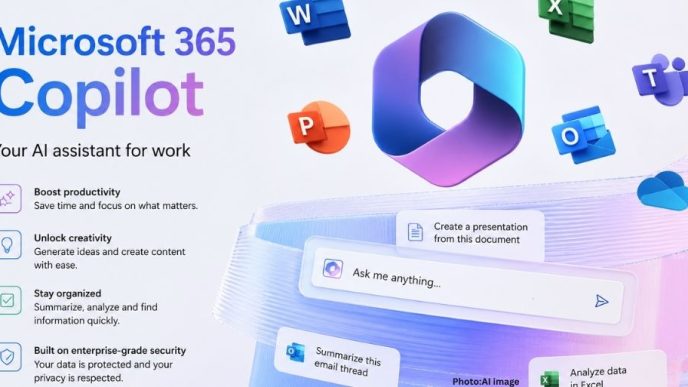
The newly formed leadership structure consists of three primary components. Firstly, a corporate leadership group comprising five key figures—Nadella, Brad Smith, Amy Hood, Amy Coleman, and Judson Althoff—will convene weekly to address governance matters. Secondly, an engineering leadership group, which includes approximately 35 product and engineering leaders, will operate with a focus on collaboration rather than through lengthy managerial hierarchies. Finally, a specialized Copilot team, consisting of three members—Charles Lamanna, Jacob Andreou, and Ryan Roslansky—will engage in weekly standups with Nadella to prioritize AI development.
Nadella’s commitment to this new approach is evident in his personal engagement with AI metrics, which he reviews weekly, as well as his biweekly discussions with the Azure infrastructure team. This hands-on involvement reflects a departure from traditional corporate practices and underscores the urgency of adapting to the fast-moving AI sector.
Leadership Changes and Exit of Key Figures
The restructuring has led to a significant departure of prominent executives within the company. Longtime leaders such as Rajesh Jha, a pivotal product leader, will retire on July 1, while Yusuf Mehdi, a 35-year veteran and chief marketing officer for consumer products, is also stepping down. Charlie Bell, previously a notable figure in the development of Amazon Web Services, has seen his role diminished to that of an engineer with no direct reports, according to internal sources.
Additionally, Mustafa Suleyman, co-founder of DeepMind, who was recruited by Nadella in 2024 to lead a new AI division, is now overseeing a more focused group of approximately 650 individuals concentrating on superintelligence. Perhaps the most unexpected change occurred within Microsoft’s gaming division, where Asha Sharma—a Core AI executive without extensive gaming experience—has taken over from longtime Xbox leader Phil Spencer, following mentorship from Nadella.
On a more positive note, several rising stars within the company are being recognized for their contributions. Arun Ulag has been promoted to executive vice president, while Pavan Davuluri is now leading the Windows and devices segment. This infusion of new leadership is part of Nadella’s broader strategy to instill a startup mentality within a company that currently employs over 220,000 individuals.
Implications for Microsoft’s Future
The implications of this restructuring are significant as Microsoft attempts to reorient itself in an increasingly competitive landscape dominated by AI innovation. The company’s willingness to embrace a more agile, startup-like structure may enhance its ability to respond to rapid changes in technology and market demands. However, the success of this approach remains to be seen, and it will ultimately be reflected in the company’s stock performance and market position in the coming months.
As Microsoft navigates this transformative period, the tech community and investors will be closely monitoring the outcomes of Nadella’s strategic decisions. The blend of established leadership with new talent and innovative operational structures positions Microsoft to potentially reclaim its status as a leader in the technology sector.