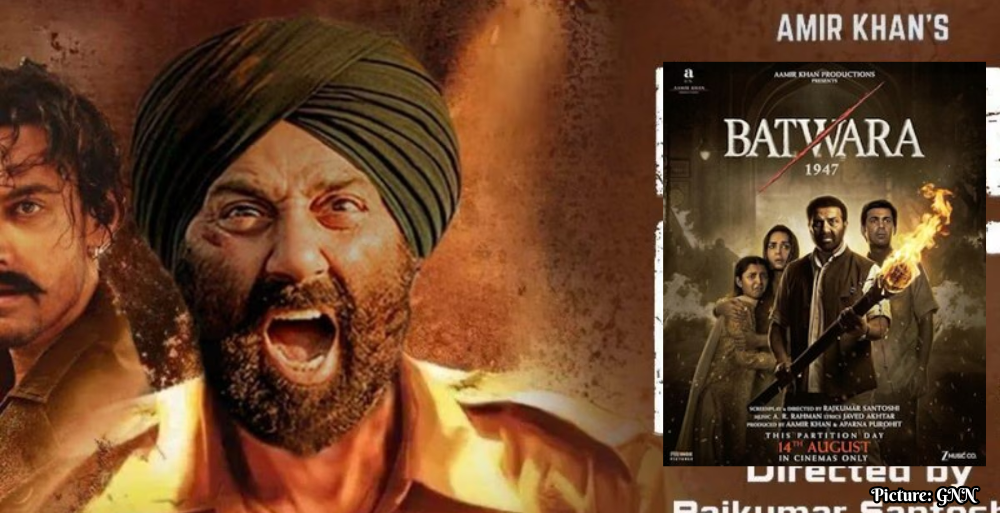
After months of speculation, the period drama formerly known as ‘Lahore 1947’ has been officially renamed ‘Batwara 1947’, with a teaser unveiling the film’s theatrical release date of August 14, 2026.
In a significant announcement for the Indian film industry, the highly anticipated period drama previously titled Lahore 1947 has been officially renamed Batwara 1947. This decision was made public by the filmmakers, Aamir Khan Productions, and actor Sunny Deol, who shared a teaser on Instagram showcasing the change along with a motion poster that sets the stage for the film’s narrative rooted in the tumultuous era of the Partition of India.
The teaser introduces a poignant tagline: “In times of hatred and fear, he chose courage,” which aims to encapsulate the film’s thematic essence. Scheduled for theatrical release on August 14, 2026, the new title reflects an intentional shift in focus, potentially designed to resonate more positively with Indian audiences amid ongoing sensitivities surrounding the historical context of the Partition.
Background and Title Change
The decision to alter the title from Lahore 1947 to Batwara 1947 followed a period of speculation and concern among producers regarding audience reception. Initial reports indicated that a film named after a city in Pakistan might not garner the anticipated interest from Indian viewers. This apprehension prompted discussions about a necessary rebranding, despite earlier assertions from Aamir Khan himself, who had dismissed rumors of a title change.
In March, Khan addressed the speculation directly, stating, “Where did you hear that? No, the title of our film has not changed. As of now, it is Lahore 1947, and that’s how I would like it to be.” This previous commitment has now been superseded by the recent announcement, illustrating the fluid nature of film production and marketing strategies in response to audience sentiment.
Film Synopsis and Creative Team
Batwara 1947 is adapted from Asghar Wajahat’s acclaimed play Jis Lahore Nai Dekhya, O Jamya E Nai, which delves into themes of identity, displacement, and the human experience following the Partition. The film is directed by Rajkumar Santoshi, who brings a wealth of experience from his previous collaborations with Sunny Deol, including notable films such as Ghayal, Damini, and Ghatak.
The ensemble cast features prominent actors including Sunny Deol, Preity Zinta, Shabana Azmi, Karan Deol, and Ali Fazal. The film’s music is composed by the internationally renowned A.R. Rahman, with lyrics penned by celebrated lyricist Javed Akhtar. Santoshi expressed his excitement about the collaboration, stating, “It’s a reunion with the most talented people. For a film of this magnitude, I can’t think of anyone else than A.R. Rahman as a music composer; he is one of the top composers in the world right now.”
Implications of the Title Change
The title change from Lahore 1947 to Batwara 1947 not only reflects a strategic marketing maneuver aimed at enhancing audience appeal but also underscores the sensitive nature of historical narratives in cinema. The Partition of India in 1947 remains a profoundly emotional and impactful event in the collective memory of both India and Pakistan, influencing a wide range of cultural productions.
Understanding the historical context is crucial when examining the implications of this film. The Partition led to the displacement of millions and resulted in significant communal violence, shaping national identities and narratives in both countries. As filmmakers navigate these themes, the choice of title and its framing becomes pivotal in how stories are received by audiences. The new title, Batwara 1947, which translates to ‘Battle of 1947,’ suggests a focus on conflict and struggle, a narrative that may resonate deeply with viewers familiar with the historical trauma of Partition.
As the release date approaches, the film’s marketing strategy is likely to evolve, reflecting shifting audience sentiments and broader cultural conversations regarding identity and history. The motion poster’s imagery, which features scenes of chaos and courage, aims to evoke strong emotional responses and engage viewers with a compelling narrative set against the backdrop of one of the most pivotal moments in South Asian history.
Public Reception and Future Expectations
The announcement of the title change has sparked discussions among film enthusiasts and cultural commentators regarding its potential impact on the film’s reception. Given the current socio-political climate in India, where narratives surrounding identity and national history are often contentious, the decision to rename the film could be viewed as an attempt to mitigate any backlash that may arise from the film’s themes. Public perception of the film will likely be influenced not only by its narrative content but also by the larger context of ongoing debates about historical narratives in cinema.
Moreover, the collaboration between prominent figures such as Aamir Khan, Sunny Deol, and Rajkumar Santoshi has generated considerable anticipation within the industry. The film’s release will be closely monitored for its engagement with the subject matter and its ability to resonate with contemporary audiences. As the promotional campaign ramps up, the filmmakers will need to navigate the complexities of historical representation while also appealing to a diverse audience.
In conclusion, Batwara 1947 stands at the intersection of art and history, poised to offer insights into one of the most tumultuous periods in South Asia through the lens of personal stories of courage and resilience. With its theatrical release set for 2026, the film is positioned to contribute to ongoing dialogues about identity, history, and the legacies of the Partition.