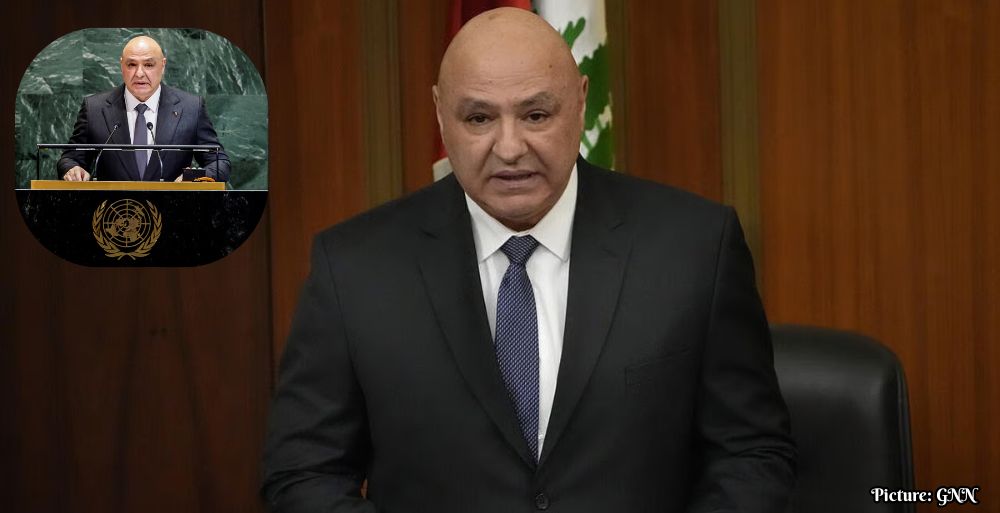
In a recent exclusive interview, Lebanese President Joseph Aoun accused Iran of using Lebanon as a bargaining chip in its negotiations with the United States, expressing a strong desire among the Lebanese for peace and stability. Aoun is pursuing direct negotiations with Israel to address ongoing conflicts, despite facing opposition from Hezbollah.
BEIRUT — In an exclusive interview aired on CNN, Lebanese President Joseph Aoun made a bold assertion on Friday, accusing Iran of utilizing Lebanon as a bargaining chip in its negotiations with the United States concerning regional geopolitical issues. Aoun emphasized that the Lebanese populace is increasingly disillusioned with the ongoing conflict, particularly the hostilities involving Israel and the Iran-backed militant group Hezbollah.
Aoun conveyed a sense of urgency in his remarks, stating, “We are fed up and we want to live in peace,” underscoring the humanitarian toll of the longstanding conflict. “(Lebanese people) deserve to live in peace and in dignity; they deserve not to see their homes being destroyed every five to 10 years,” he added. His comments reflect a growing sentiment among the Lebanese population, who have been caught in the crossfire of regional power struggles for decades.
Historical Context of the Conflict
Hezbollah, established in the 1980s, has been a dominant force in Lebanese politics and society, often positioning itself as the protector of southern Lebanon against Israeli aggression. The group has engaged in multiple conflicts with Israel, including the most recent escalation in 2023, which was triggered by a joint U.S.-Israeli operation that resulted in the death of Iranian Supreme Leader Ayatollah Ali Khamenei and key military leaders.
This operation ignited retaliatory actions from Hezbollah, leading to significant casualties, with reports indicating that over 3,500 Lebanese have died and nearly one-fifth of the population has been displaced. The ongoing violence has compounded Lebanon’s already precarious situation, weakened by years of foreign intervention and internal sectarian conflicts.
Aoun’s Diplomatic Initiatives
Amidst this tumultuous backdrop, President Aoun has taken an unprecedented step by advocating for direct negotiations with Israel, aiming to establish a ceasefire and bring an end to hostilities. “We are ready, we are willing, we are committed (to negotiations to end the war),” Aoun stated, addressing both the Israeli government and citizens. “If you are not, you will never live in peace, safety, and security.” His overture marks a significant shift in Lebanese policy and is viewed as an effort to counter Hezbollah’s influence within Lebanon.
However, the response from Hezbollah has been predictably critical. Naim Qassem, the deputy leader of Hezbollah, condemned the proposed talks as a “surrender,” asserting that they have been rejected by large segments of the Lebanese population. Aoun countered this, asserting that he has spoken to Lebanese individuals across various sects, including Shiites, who expressed their exhaustion with Hezbollah’s militaristic approach.
Iran’s Response and Regional Dynamics
In response to Aoun’s allegations, Iran’s Foreign Minister Abbas Araghchi refuted the claims that Lebanon serves as a bargaining chip for Tehran. “Had Lebanon been a bargaining chip for Iran, we’d have a deal long ago,” he stated. He further advised Aoun to focus on Israel as Lebanon’s real adversary, suggesting that the Lebanese president should prioritize national interests over external influences.
The complexity of the situation is compounded by the fact that while Aoun seeks to negotiate peace, Hezbollah remains adamant about its right to arm itself, citing threats from Israel. The Israeli government has made it clear that any withdrawal from Lebanon is contingent upon Hezbollah disarming, a demand that Aoun acknowledges is fraught with challenges.
The Path Forward
Despite his calls for diplomacy, Aoun faces significant roadblocks, including Hezbollah’s entrenched presence and the potential for escalating violence should disarmament efforts be perceived as a direct challenge to the group. Aoun himself has a military background, having previously served as the commander of the Lebanese Armed Forces, and has expressed a deep aversion to war, stating, “I prefer negotiations over wars.”
As Lebanon continues to grapple with the ramifications of foreign interventions and internal strife, the prospect of achieving a lasting peace remains uncertain. Aoun’s administration must navigate a delicate balance between negotiating with Israel and addressing the powerful influence of Hezbollah, all while responding to the needs and concerns of a war-weary population.
In conclusion, President Aoun’s recent statements reflect a pivotal moment in Lebanese politics, as the president advocates for a diplomatic resolution to the ongoing conflict, setting the stage for potential shifts in Lebanon’s foreign policy and internal dynamics. However, the road ahead is fraught with complexities, requiring careful navigation of both regional tensions and domestic pressures.