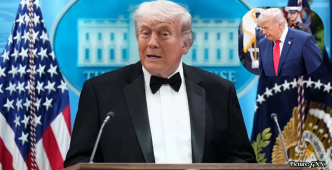
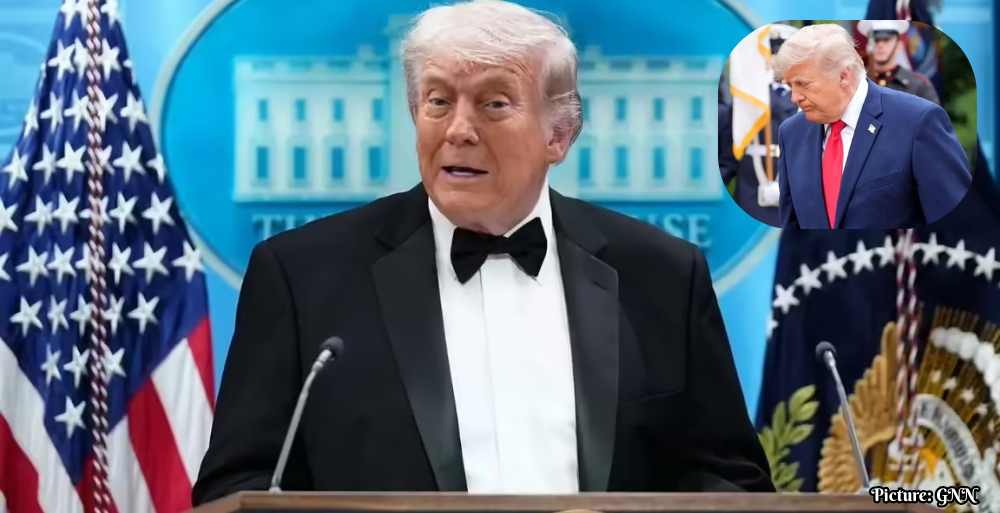
President Donald Trump’s net approval rating has plummeted to negative 25 percentage points, marking the lowest level recorded in The Economist’s polling history, as rising inflation and ongoing military actions in Iran weigh heavily on public sentiment.
Washington, D.C. – President Donald Trump is facing unprecedented challenges as his net approval rating has fallen to negative 25 percentage points, according to a recent analysis by The Economist, which has monitored public sentiment around presidential job performance since 2009, utilizing data from YouGov surveys. This significant decline in approval comes at a time when many Americans are grappling with soaring inflation and heightened geopolitical tensions stemming from the administration’s military engagement in Iran.
Rising Energy Prices and Public Sentiment
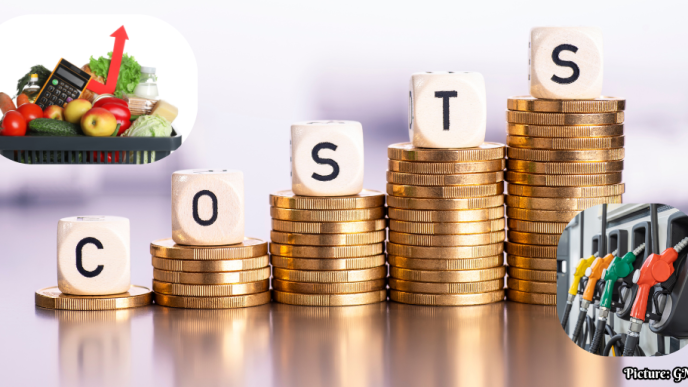
The polling data indicates that Trump’s approval ratings have been particularly affected by public dissatisfaction regarding rising energy costs. Many Americans attribute the escalating prices at the pump to the ongoing conflict in Iran, which has led to fluctuations in global oil markets and subsequent inflationary pressures domestically. As of Thursday, the average price of gasoline in the United States surpassed $4 per gallon, a stark increase from approximately $3 per gallon during the same period last year, as reported by the American Automobile Association (AAA).
In light of these economic pressures, Trump’s administration is currently engaged in pivotal negotiations with Tehran over a nuclear weapons agreement, as well as the security of the Strait of Hormuz, a critical artery for global oil trade. The implications of these negotiations are significant, as the geopolitical stability in the region is closely tied to U.S. energy prices and overall economic health. According to The Economist’s findings, Trump’s approval rating regarding inflation and prices stands at a concerning negative 43 percent, underscoring the administration’s struggles in this area.
Administration’s Justification and Public Response
In the face of rising costs, White House officials have characterized the increase in energy prices as a necessary short-term sacrifice for achieving long-term stability in the Middle East. This stance reflects a broader strategy aimed at mitigating threats posed by Iran while attempting to reassure the American public. However, Trump’s comments in May, where he stated, “I don’t think about Americans’ financial situations,” during discussions about negotiations with Tehran, have drawn criticism for appearing disconnected from the economic realities faced by many citizens. He added, “I think about one thing: We cannot let Iran have a nuclear weapon,” emphasizing his administration’s focus on national security over immediate economic concerns.
Political Repercussions and Legislative Actions
The economic fallout resulting from the administration’s policies has led to increasing dissent among some Republican lawmakers. On Wednesday, four Republican representatives broke party lines to support a war powers resolution aimed at limiting the Trump administration’s military operations against Iran. This legislative initiative highlights a growing apprehension within certain factions of the Republican Party regarding the implications of the administration’s foreign policy on domestic economic stability.
Following the House vote, which garnered bipartisan support, Trump took to social media platform Truth Social to denounce the action as “meaningless.” He remarked, “Yesterday, in a meaningless vote, the House voted, 4 bad Republicans and all of the Dumocrats, to limit my War Powers, right in the middle of my final negotiations to end the War with the Islamic Republic of Iran.” This statement not only reflects the president’s frustration with dissent within his party but also underscores his unwavering commitment to his administration’s foreign policy agenda, even in the face of domestic criticism.
Implications for Future Policy and Electoral Landscape
The decline in Trump’s approval ratings, particularly concerning inflation and economic management, poses significant challenges as the administration navigates a complex interplay of domestic and foreign issues. As public sentiment shifts, there may be increasing pressure on the administration to address the economic anxieties of American citizens, particularly those acutely affected by the rising cost of living.
With the 2024 election cycle on the horizon, these polling results may have far-reaching implications for the political landscape. Both Republican and Democratic challengers will likely assess the evolving sentiments of the electorate as they prepare for upcoming campaigns. The ability of the Trump administration to stabilize public approval may hinge on its success in negotiating a resolution to the ongoing conflict with Iran and effectively managing the economic fallout from rising prices.
Furthermore, as the situation develops, ongoing monitoring of public opinion will be crucial for understanding potential ramifications for both policy and electoral outcomes in the coming months. The convergence of economic concerns and foreign policy decisions will undoubtedly remain a pivotal theme as the Trump administration seeks to regain favor with the American public while navigating the complexities of international diplomacy.