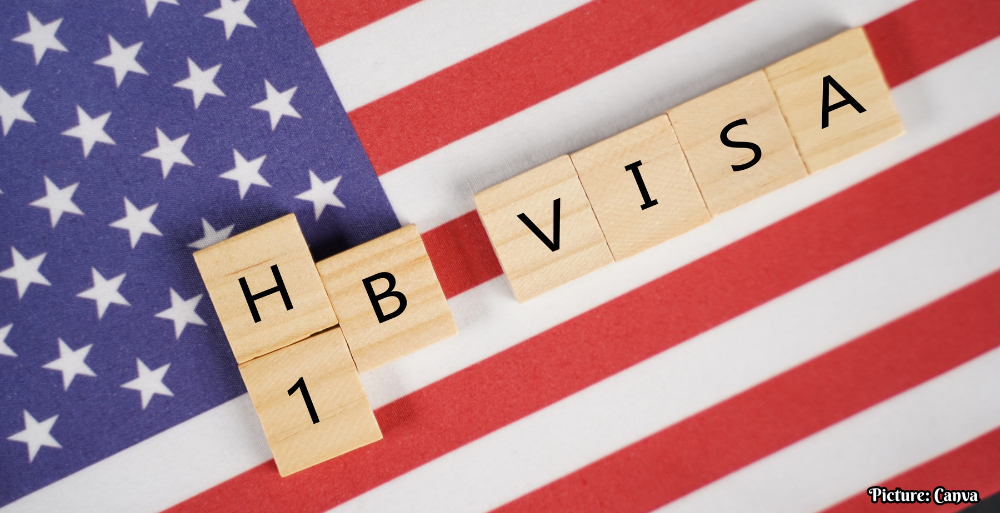
In fiscal year 2026, more than 200,000 applicants have opted to pay a $100,000 premium fee for expedited processing of H-1B visas, according to U.S. Secretary of Homeland Security Markwayne Mullin during a Senate hearing.
Washington, D.C. — In a Senate Appropriations Subcommittee hearing on June 2, 2026, U.S. Secretary of Homeland Security Markwayne Mullin disclosed that over 200,000 individuals seeking H-1B visas have chosen to pay a substantial fee of $100,000 to expedite their visa processing. This figure is part of a broader context, with approximately 286,000 H-1B applications submitted to the Department of Homeland Security (DHS) for the current fiscal year.
The H-1B visa program is a critical component of U.S. immigration policy, allowing employers to temporarily employ foreign workers in specialty occupations. The high demand for these visas has consistently outstripped supply, resulting in the implementation of a lottery system by the U.S. Citizenship and Immigration Services (USCIS) to allocate available visas. With increasing scrutiny of the program, lawmakers are now focusing on its implications for critical sectors, particularly healthcare and education.
Expedited Processing and Its Implications
During his testimony, Secretary Mullin explained the advantages of the premium processing option. Applicants who pay the $100,000 fee are guaranteed expedited processing of their visa applications, typically completed within about 15 days. In contrast, standard applications, which do not include this expedited service, can take approximately 7.5 months to process. This expedited service has attracted a significant number of applicants, reflecting the urgent need among employers to fill critical positions quickly.
Senator Susan Collins of Maine, who questioned Mullin regarding the high costs associated with the H-1B application process, highlighted a pressing issue: the shortage of medical professionals in rural areas. She cited a recent case where a hospital in Presque Isle, Maine, had to pay the premium fee to secure a vital surgeon from overseas. Collins underscored the importance of addressing the needs of rural healthcare providers, suggesting that the current fee structure disproportionately burdens communities with limited access to qualified medical personnel.
Potential Policy Adjustments for Healthcare Professionals
In response to Collins’ concerns, Secretary Mullin expressed willingness to explore potential solutions that might allow for a more flexible approach to H-1B processing for medical professionals. “I would suggest that there’s a huge difference between bringing in a computer expert from another country to work in wealthy California and Silicon Valley versus a much-needed surgeon to work at a rural hospital in northern Maine,” Mullin said. He indicated that the DHS would consider whether exemptions could be made for medical professionals when communities demonstrate a lack of available healthcare workers.
This conversation points to a broader dialogue regarding the role of H-1B visas in addressing labor shortages in various sectors, particularly in underserved areas. The ongoing shortage of healthcare workers has been exacerbated by the COVID-19 pandemic, which has placed unprecedented strain on medical facilities, especially in rural regions. Policymakers are now increasingly aware of the need for tailored solutions to meet these challenges.
Addressing Educational Needs and Rural Workforce Issues
Further discussions during the hearing also delved into the educational sector. Senator Lisa Murkowski from Alaska raised similar concerns about the shortage of teachers in rural areas of her state. She emphasized the need for H-1B visas to help fill critical teaching positions in Alaskan school districts, which often struggle to attract qualified educators.
Murkowski noted her intention to follow up with Secretary Mullin regarding H-1B visa provisions specifically for teachers, reflecting a growing recognition of the diverse challenges faced by rural communities in securing essential services. As rural areas continue to grapple with these workforce shortages, the H-1B visa program remains a focal point for discussions on immigration policy and labor market needs.
As the fiscal year progresses, the implications of these discussions are likely to shape future legislative initiatives and the structure of the H-1B visa program. The increasing recognition of the unique needs of rural and underserved communities across the country may prompt lawmakers to consider reforms that prioritize the recruitment of essential workers in healthcare, education, and other critical sectors.
The situation also raises questions about the balance between immigration policy and domestic labor needs, particularly as the U.S. economy continues to recover from the impacts of the pandemic. Policymakers must navigate the complexities of ensuring that vital industries are adequately staffed while simultaneously addressing the concerns of domestic workers and the broader public.
Ultimately, the outcome of these discussions could have lasting effects on the H-1B visa program and its capacity to address the urgent needs of communities across the United States. As stakeholders continue to advocate for reforms, the DHS’s approach to managing H-1B applications will remain a key area of scrutiny and debate.