Actor Sara Arjun’s recent appearance in an ivory anarkali illustrates the harmonious blend of traditional craftsmanship and contemporary fashion, highlighting current trends in Indian attire.
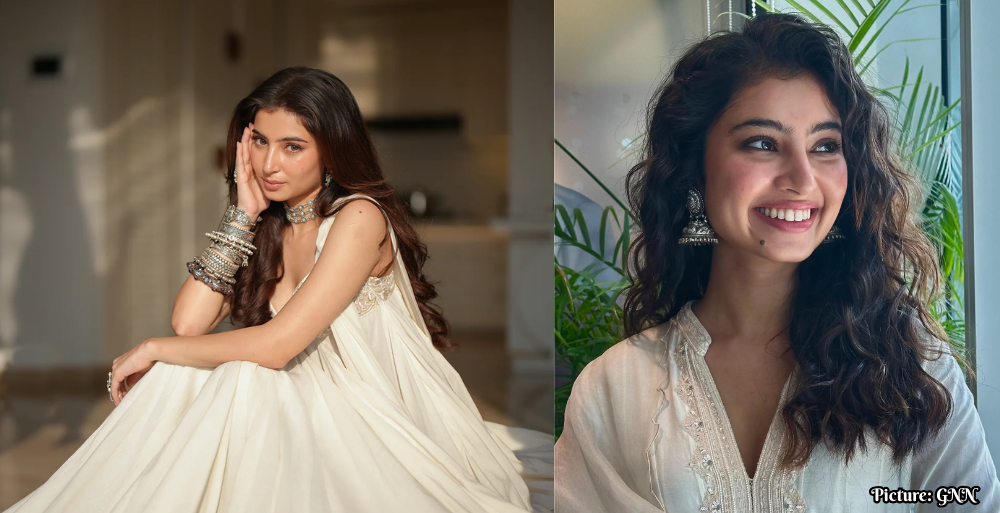
In a striking display of modern elegance, Indian actor Sara Arjun recently wore an ivory anarkali designed by Shilpa Agarwalla for her label ShilpSutra. This ensemble, part of the Noor-e-Riwaayat collection, showcases a rich textile heritage while drawing significant inspiration from Mughal artistry, making it a noteworthy representation of the ongoing fusion of tradition and contemporary fashion.
Design and Craftsmanship
The anarkali is crafted from fine chanderi silk, a fabric known for its lightness and sheen. It features 24 individually tailored kalis, resulting in a sweeping 8.5-meter flare that delivers both drama and grace. The fitted bodice is adorned with intricate hand embroidery, showcasing floral jaals—a signature element of Mughal architecture and heritage Indian havelis. These jaals are meticulously embroidered using resham thread, with intertwining vines running along the garment’s border, affirming the attention to detail characterizing this piece.
Moreover, the embroidery employs layered satin stitches to create a subtle three-dimensional effect, enhanced by hand-applied sequins and bead clusters at the center of each bloom. This combination not only celebrates traditional craftsmanship but also aligns with modern aesthetic sensibilities. The anarkali’s 1970s-inspired bell sleeves, embellished with hand-beaded tassel details, add a vintage charm that elevates the overall simplicity of the piece. The look is beautifully completed with a pure organza dupatta, which harmonizes the monochromatic palette, ensuring a cohesive appearance.
Accessorizing with Tradition
Stylist Nidhi Agarwal played a pivotal role in curating Arjun’s accessories, opting for a mix of traditional and contemporary elements. The actor wore statement silver jhumkas sourced from Soni Sapphire, complemented by stacked bangles and a ghungroo-inspired ring from the label Ahsiam. This choice reflects a bohemian influence, resonating with contemporary fashion trends while honoring traditional craftsmanship. The juxtaposition of these elements exemplifies the versatility of the anarkali, allowing for personal interpretation in styling.
Beauty and Hair Styling
For her beauty look, makeup artist Kritika Gill chose dramatic lashes paired with nude pink lips, creating a striking yet natural appearance that enhances Arjun’s features without overshadowing the outfit. Hair artist Daksh Nidhi styled the actor’s hair in tumbling waves, further contributing to the overall bohemian aesthetic. This attention to the complete look underscores the importance of cohesive styling in fashion.
Expert Fashion Insights
Providing further context, Ashwini Arun Kumar, fashion features editor at Vogue India, offered alternative styling options that could elevate the ceremonial aspect of the look. She suggests replacing the bohemian silver jewelry with polki set in jadau for a more traditional feel, incorporating height with Kolhapuri-inspired wedges, and finishing the look with a minaudière. These insights highlight the adaptability of the anarkali, making it suitable for various occasions, from casual gatherings to formal events.
Significance in Contemporary Fashion
Sara Arjun’s choice of attire represents a pivotal moment in the ongoing dialogue about fashion in India. Traditional garments are being reinterpreted for modern sensibilities, showcasing how heritage can coexist with contemporary trends. The fusion of Mughal-inspired design with modern styling not only celebrates India’s rich cultural heritage but also reflects a broader trend in global fashion towards sustainable practices and artisanal craftsmanship.
The resurgence of interest in traditional garments, particularly in the context of evolving fashion norms, signals a growing appreciation for the craftsmanship and history these pieces embody. As consumers increasingly seek sustainable and ethically produced fashion, the significance of pieces like Arjun’s anarkali becomes even more pronounced. This trend aligns with a global movement towards sustainability, where fashion enthusiasts are more selective about their clothing choices, opting for pieces that tell a story or carry cultural significance.
Moreover, the fashion landscape continues to evolve, and Arjun’s appearance serves as a reminder of the importance of honoring local traditions while embracing contemporary aesthetics. Her choice illustrates how Indian fashion can bridge the gap between the past and the present, creating timeless looks that resonate with both heritage and modernity. In this context, the anarkali is not merely a garment but a canvas reflecting the wearer’s identity and values.
In conclusion, Sara Arjun’s elegant anarkali transcends a mere fashion statement; it is a celebration of India’s rich textile heritage and a reflection of contemporary fashion’s growing inclination towards sustainability and artisanal craftsmanship. As the fashion industry navigates the complexities of tradition and modernity, pieces like this anarkali serve as compelling symbols of the potential for cultural expression in the world of fashion. The thoughtful integration of traditional elements into modern design not only enhances the garment’s aesthetic appeal but also fosters a deeper appreciation for the artistry and labor invested in these creations. In this way, the anarkali stands as a testament to the enduring legacy of Indian craftsmanship, poised to inspire future generations.