This report explores the recent evolution of Indian jewelry, highlighting a surge in maximalist designs and innovative accessories that reflect a shift in cultural norms and personal expression.
In recent months, Indian jewelry has undergone a significant transformation, as designers and brands introduce more eclectic and maximalist styles to the marketplace. This shift was notably highlighted when actor Tejasswi Prakash donned a structured face chain during her appearance in Netflix’s reality show, *Desi Bling*. Her bold choice not only captured public attention but also catalyzed a broader acceptance of unconventional accessories, encouraging consumers to experiment with jewelry that previously might have been considered too extravagant or theatrical.
Resurgence of Maximalism
Sukriti Banthia, the founder of Jaipur-based jewelry label Studio Live To Tell, expressed that the visibility of her unique designs—such as eyewear referred to as “facelets,” rosette eyes, bombshell earcuffs, and Rani Baug shoulder duster earrings—has seen a notable increase following Prakash’s televised appearance. Banthia’s creations, which she describes as embodying “tasteful desi maximalism,” have quickly become bestsellers, particularly the shoulder dusters and earcuffs, reflecting a growing consumer appetite for distinctive styles.
Innovation in Footwear and Eyewear
Among the pioneers of this trend is Bhavya Ramesh, who has established her eponymous jewelry label as one of the first in India to craft statement sunglasses, priced from ₹12,420. These designs utilize silver, diverging from traditional materials, and Ramesh has successfully created a following for her unique approach, demonstrating that such items can be both fashionable and commercially viable.
Banthia’s “facelets,” or “eye candies,” priced from ₹6,259, are crafted from brass and designed to be worn without lenses. She notes, “I thought of something for the eyes, since people wear sunglasses, so why not something without lenses? We then made these as 18-carat gold-plated ones. When you wear these, you stand out.” This innovative approach speaks to a broader trend where jewelry is increasingly viewed as a form of self-expression rather than mere ornamentation.
Hair Accessories: A Growing Category
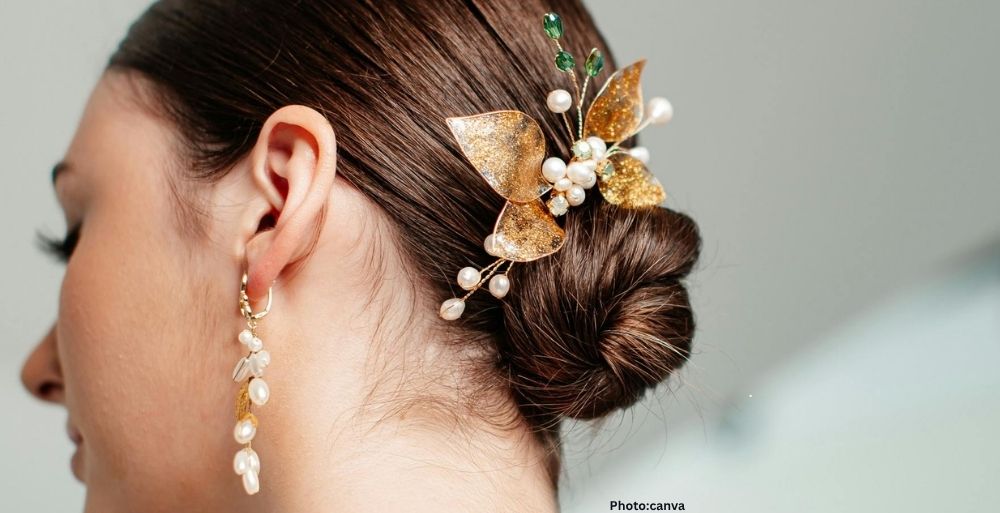
Similarly, hair accessories are experiencing a renaissance, with designers like Harshita Gautam from the Delhi-based label Diaries of Nomad advocating for their importance in completing a look. Gautam asserts, “When you dress up, your face makes up 50% of how you look and your hair the other half. So, why wouldn’t you dress up your hair as well?” Her collection features an array of products, including bun cuffs, hair chains, and traditional maathapatti, all catering to a market that is increasingly embracing bold hair adornments.
Nikita Gupta, founder of Gurugram-based label Amama, echoed this sentiment, stating that hair accessories have been a staple of her brand since its inception. “Over time, as people started experimenting with styling, we added new formats—from our Venu to more dramatic hairbands and festive pins,” she explained, indicating a growing trend in the diversification of hair accessory offerings.
Floral and Fabric-Inspired Trends
The trend towards sustainability and creativity is also reflected in floral accessories, which have become a hallmark of Nomad’s offerings. Gautam began experimenting with fabric waste in 2016, creating unique floral pieces that are not only stylish but environmentally conscious. “I first made a few pieces, I think five or six, parandis and put it out at Dastakar, Delhi. The parandis flew off the shelf,” she shared, indicating an enthusiastic consumer response to innovative, sustainable designs.
Moreover, the affordability and durability of fabric-based accessories make them an attractive alternative to traditional fresh flowers. They are able to provide a luxurious appearance while being reusable, as evidenced by recent celebrity endorsements, such as Shanaya Kapoor’s photoshoot featuring Diaries of Nomad’s cloth shoe charms.
Gender Inclusivity in Jewelry
As these trends evolve, many designers are also embracing gender inclusivity, allowing for a more expansive interpretation of jewelry. Ramesh’s campaigns feature male models, reinforcing her belief that jewelry should not be confined to traditional gender roles. “I don’t assign gender to jewellery; if men want to sport them, they can,” she noted, a sentiment echoed by Banthia, who designs for individuals who appreciate art and craft, irrespective of gender.
This growing acceptance of diverse styles and gender-neutral designs reflects broader societal changes, where self-expression through fashion and accessories is being increasingly celebrated. The emergence of maximalism in Indian jewelry not only signifies a departure from traditional norms but also illustrates the industry’s ability to adapt and innovate in response to evolving consumer preferences.
As Indian jewelry continues to embrace eclectic styles and innovative designs, it is clear that the landscape is shifting. With designers leading the charge in maximalism, sustainability, and inclusivity, the future of Indian accessories appears vibrant and full of potential.