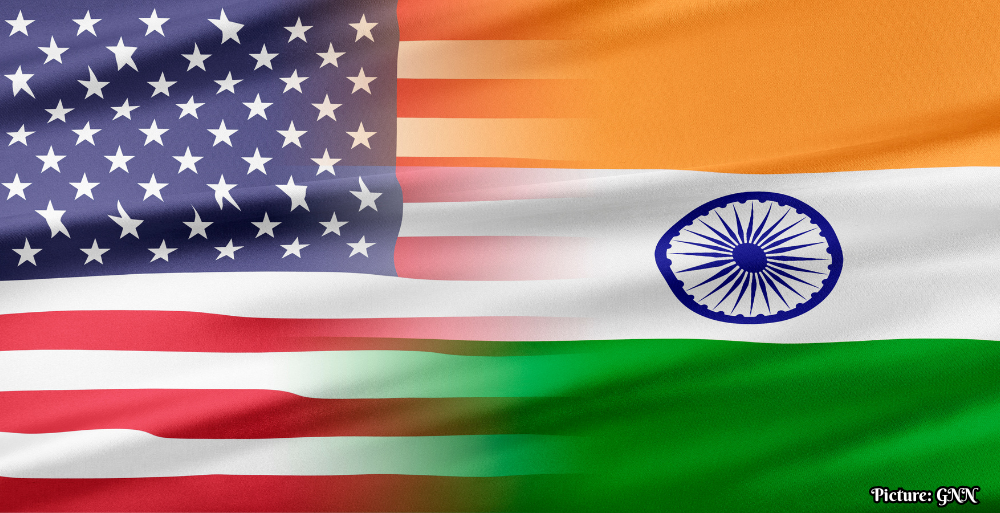
India is negotiating trade assurances with the United States to mitigate the impact of potential tariffs imposed under Section 301, as the two countries work towards a comprehensive trade agreement.
NEW DELHI – As India and the United States advance their trade negotiations, New Delhi is seeking formal assurances that any future American tariff actions under Section 301 of the Trade Act of 1974 will not undermine concessions secured through the proposed deal. This request comes in the wake of significant changes in U.S. trade enforcement strategies following a recent Supreme Court ruling that struck down reciprocal tariffs imposed during the Trump administration.
The U.S. Supreme Court’s decision earlier this year invalidated tariffs that had been enacted under the International Emergency Economic Powers Act (IEEPA), prompting the Biden administration to pivot towards Section 301 as a primary mechanism for trade enforcement. This law allows the Office of the United States Trade Representative (USTR) to investigate foreign trade practices and impose retaliatory measures without waiting for formal adjudication.
Details of the Ongoing Negotiations
A U.S. delegation, led by Assistant U.S. Trade Representative for South and Central Asia Brendan Lynch, arrived in New Delhi on June 1, 2026, for further discussions aimed at resolving outstanding issues related to tariffs, market access, and regulatory barriers. Since an initial understanding was reached in February, negotiators have been working to align their interests on various contentious points.
India’s concern primarily revolves around the potential for new tariffs to be imposed on Indian exports as a result of ongoing Section 301 investigations. Such tariffs could significantly diminish the benefits of any trade deal that reduces tariffs or expands access for U.S. goods. An Indian trade source involved in the negotiations stated, “India has to discuss the tariff rate, 301 probe impact, and aim for a competitive tariff rate versus direct competition.”
Indian officials are particularly wary that an agreement that lowers barriers for U.S. exports may be difficult to justify if their own products subsequently face new tariffs in the U.S. market.
Understanding Section 301
Section 301 empowers the USTR to investigate foreign government actions that may unfairly hinder American commercial interests. The scope of this authority is broad and can encompass a variety of trade grievances, including intellectual property theft, forced technology transfers, labor rights violations, and governmental practices that restrict market access.
One of the distinguishing features of Section 301 is its unilateral nature, allowing the U.S. to act independently in determining whether unfair practices exist and what responses are warranted. If the USTR finds merit in an investigation, the U.S. government can impose additional tariffs, restrict imports, withdraw trade benefits, or suspend concessions without needing consensus from other countries.
Recent Developments in Section 301 Investigations
The USTR initiated a series of Section 301 investigations in March 2026, targeting several economies, including India, China, and the European Union. The investigations focus on two primary areas: structural excess capacity in manufacturing and the enforcement of measures designed to prevent goods produced with forced labor from entering supply chains.
The investigation into structural excess capacity is particularly relevant to India, which recorded a goods trade surplus of approximately $58 billion with the U.S. in 2025. American officials have raised concerns about specific industries, such as textiles, automotive products, and steel, alleging that they may have expanded production capacity beyond what domestic and international markets can support.
India has contested these allegations, arguing that the USTR’s initiation notices lack sufficient justification. The sectors under scrutiny represent crucial components of India’s export economy, making the outcome of these investigations critical for Indian manufacturers and exporters.
The Importance of a Trade Deal for India
As India seeks to position itself as a leading manufacturing alternative in the global market, particularly as companies diversify supply chains away from China, securing favorable tariff arrangements with the U.S. has become increasingly vital. Indian negotiators aim to achieve tariff treatment that would enhance the competitiveness of Indian products compared to other manufacturing hubs, particularly in South and Southeast Asia.
With geopolitical tensions in West Asia driving up energy prices and creating economic uncertainty, maintaining stable access to the U.S. market is essential for India. The U.S. is one of India’s largest export destinations, and predictable tariff arrangements are seen as essential for sustaining investor confidence.
Next Steps in Negotiations
The current round of trade negotiations will serve as a pivotal opportunity for India to secure the necessary assurances regarding Section 301 investigations before the USTR concludes its work. While Section 301 investigations can take 12 to 18 months, the current cases are believed to be moving along an accelerated schedule.
Despite the complexities surrounding these investigations, both countries remain optimistic about finalizing a broader trade agreement. U.S. Trade Representative Jamieson Greer is expected to visit India following the establishment of principal terms of the deal, and U.S. Ambassador to India Sergio Gor has expressed confidence that an agreement could be reached in the coming weeks or months.