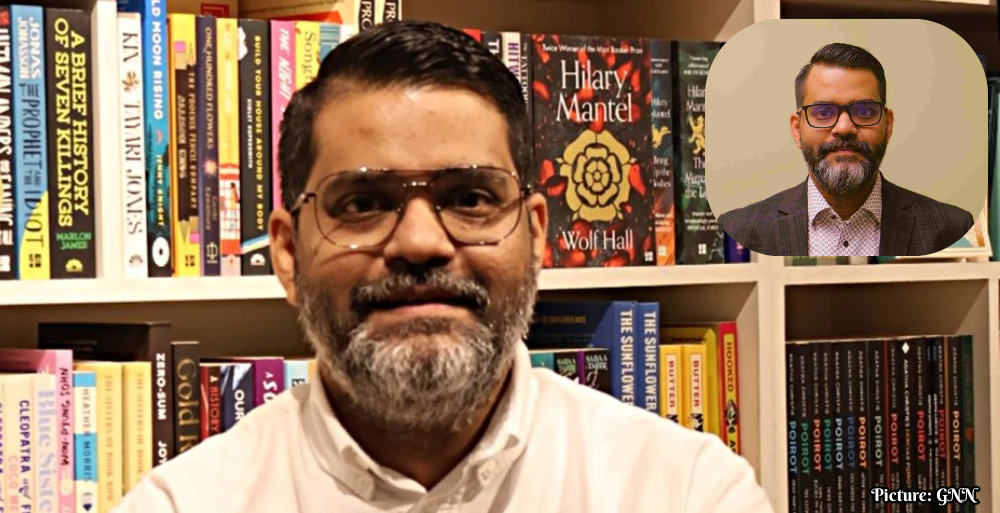
Dr. Cyriac Abby Philips, a prominent hepatologist, emphasizes the importance of combating misinformation and promoting awareness about liver health amidst a growing crisis of fatty liver disease in India.
In a country where liver disease is becoming one of the leading causes of mortality, Dr. Cyriac Abby Philips, a Kerala-based hepatologist, is gaining recognition for his dedication to patient care and his commitment to scientific medicine. Known widely as ‘The Liver Doc,’ Dr. Philips has established himself as a vocal advocate against misinformation in healthcare, particularly regarding liver diseases, which are often misunderstood and underestimated. His insights come at a crucial time when the prevalence of fatty liver disease in India is on the rise.
Dr. Philips reflects on the emotional toll of his profession, stating, “I remember every patient I have lost and I have always put myself in their position.” His approach to medicine blends empathy with expertise, underscoring the human aspects of healthcare. He believes that modern medicine is increasingly becoming a business, losing its core of humanism and compassion. “I want to teach people how to live life,” he asserts, emphasizing the need for a patient-centered approach.
Understanding Liver Disease in India
According to recent statistics, liver disease ranks among the top ten causes of death in India. However, many people remain unaware of its silent progression. Dr. Philips notes that liver disease often goes unnoticed until it reaches critical stages, making awareness and early intervention essential. “There is a huge challenge in medicine and healthcare today, both for doctors and patients,” he says, highlighting the gap between medical training and patient care.
Dr. Philips’ dedication to his patients is evident in his decision to return to Kochi after training at the Institute of Liver and Biliary Sciences in Delhi. He works at Rajagiri Hospital, where he focuses on treating liver diseases that are often preventable yet exacerbated by misinformation and lack of awareness. “Many liver diseases are preventable, which become serious because of misinformation and lack of awareness,” he explains.
The Role of Misinformation
Misinformation about liver health is rampant, with many believing that only heavy alcohol consumption can lead to liver disease. Dr. Philips counters this narrative, stating, “People think only alcoholics develop liver disease, but that is not true.” He points out that even moderate alcohol consumption can be detrimental, especially for those with a genetic predisposition. This false sense of security contributes to the rising rates of liver disease, making education a priority.
Dr. Philips emphasizes that lifestyle choices play a significant role in liver health. Regular exercise, a balanced diet, and weight management are critical in reducing the risk of liver disease. He advocates for simple physical activities, such as brisk walking or cycling, which can significantly impact overall health. “If you control the modifiable factors, you reduce your risk significantly,” he advises.
The Importance of Testing
Dr. Philips strongly urges individuals to undergo regular screenings for liver health, particularly testing for Hepatitis B and C. He highlights that chronic Hepatitis B is prevalent in northern India, while Hepatitis C remains a treatable condition with proper medical intervention. His message is clear: proactive health measures can save lives.
He also addresses the common misconception surrounding Liver Function Tests (LFTs), stating, “It is actually a misleading term.” Dr. Philips explains that LFTs do not provide a comprehensive view of liver health and that other screenings, such as ultrasounds and blood tests, are necessary for a complete assessment.
Challenges of Drug-Induced Liver Injury
Another area of concern that Dr. Philips raises is drug-induced liver injury. He warns against the misuse of common medications like paracetamol, particularly in excessive doses, which can lead to severe liver damage. “In the UK, paracetamol overdose is one of the commonest reasons for liver transplantation,” he notes. He emphasizes the importance of adhering to recommended dosages and being vigilant about potential overdoses in both adults and children.
Combatting the Wellness Culture
Dr. Philips has faced significant challenges in his mission to promote scientific medicine, often encountering backlash for debunking popular wellness trends and unregulated supplements. He recounts a tragic case of a woman who died after consuming unregulated protein supplements, emphasizing the dangers of blind faith in alternative medicine. He argues that while some natural compounds may have therapeutic benefits, they must be rigorously tested for safety and efficacy.
Addressing the cultural ties to alternative medicine, Dr. Philips states, “When you criticise it, people think you are attacking identity itself.” He stresses the need for critical thinking in medical education and public health awareness, advocating for a balance between traditional practices and evidence-based medicine.
Conclusion: A Call for Awareness and Action
The liver crisis in India is not solely a medical issue but a societal one, rooted in misinformation and a lack of awareness. Dr. Philips’ advocacy for scientific medicine and patient education is a vital response to this growing health challenge. His book, *The Liver Doctor: Stories of Love, Loss and Regeneration*, aims to share his experiences and insights, shedding light on the complexities of liver disease and the importance of compassion in healthcare.
As India grapples with an increasing burden of liver disease, the message from Dr. Cyriac Abby Philips is clear: awareness, education, and a return to the humanistic values of medicine are essential in combating this silent crisis.