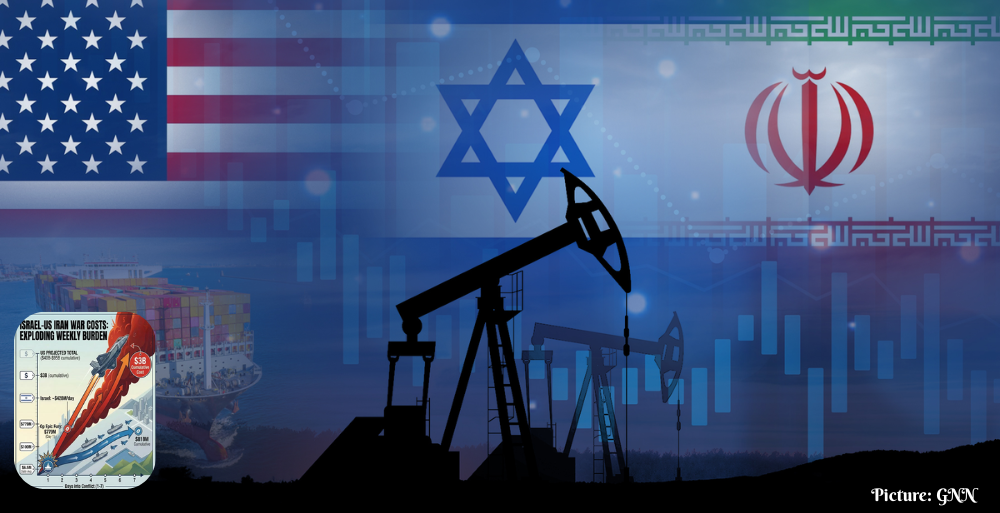
As the U.S.-Israeli war on Iran escalates, 27 countries have activated emergency financing mechanisms with the World Bank, reflecting the conflict’s profound impact on global economic stability and energy markets.
Since the outbreak of hostilities between the U.S.-Israeli alliance and Iran in late February 2026, a notable surge in emergency financing requests has been observed, with 27 countries seeking assistance from the World Bank. This information, reported by Reuters, highlights the significant economic ramifications of the conflict on nations far beyond the immediate region, particularly regarding energy prices and inflation rates.
Among those requesting urgent assistance, Kenya and Iraq have publicly confirmed their applications for emergency funds. Kenya is grappling with soaring domestic fuel prices that have escalated in the wake of the conflict, while Iraq is facing a sharp decline in oil revenues, attributed to disruptions in maritime exports stemming from the ongoing crisis.
World Bank’s Emergency Financing Mechanisms
The 27 nations initiating requests are part of a larger group of 101 countries eligible for pre-arranged contingent financing from the World Bank. Notably, 54 of these countries are enrolled in the World Bank’s Rapid Response Option, which permits sovereign borrowers to redirect up to 10 percent of their undisbursed project balances to address urgent financial needs that arise from crises.
World Bank President Ajay Banga has detailed a structured approach to the funding available to support these nations. He indicated that between $20 billion and $25 billion is accessible immediately through the institution’s existing crisis instruments. If the World Bank strategically reorients certain aspects of its broader portfolio, this amount could potentially increase to $60 billion within six months. Additionally, longer-term structural changes could elevate the total possible funding to approximately $100 billion.
Contrast with the IMF’s Response
In contrast to the proactive stance taken by the World Bank, activity within the International Monetary Fund (IMF) regarding emergency financing has been markedly minimal. Managing Director Kristalina Georgieva previously anticipated that up to a dozen nations might seek emergency assistance ranging from $20 billion to $50 billion. However, sources have indicated to Reuters that very few formal requests have been filed, with many countries instead adopting a cautious “wait-and-see” approach.
The IMF has expressed concerns over the broader economic implications of the U.S.-Israeli war on Iran, revising its global growth forecast downward from 3.4 percent to 3.1 percent. The organization cited the conflict’s significant role in exacerbating inflation and destabilizing energy supply routes, contributing to a more pessimistic economic outlook.
Potential Economic Consequences of Prolonged Conflict
Warnings from the IMF suggest that a prolonged conflict could lead to more severe regional economic damage, potentially pushing the global economy towards recession-level growth. Such a scenario raises alarms about the increased uncertainty in financial markets and the potential for heightened geopolitical risks, fostering a climate of broader economic instability.
The ramifications of the Iran conflict are reverberating across various sectors, with global markets still feeling the aftershocks. Central banks around the world are preparing for their next moves in response to the evolving economic landscape, underscoring the critical nature of the situation.
As the requests for financing from the World Bank increase, the looming threat of humanitarian crises becomes more pronounced. The international community is urged to closely monitor these developments, as the implications for global economic stability are profound and far-reaching.
Broader Implications for Global Financial Institutions
The World Bank’s rapid response to the crisis signifies a growing acknowledgment of the interconnectedness of global economies and the necessity for immediate financial assistance during times of turmoil. However, the contrasting response from the IMF raises important questions regarding the effectiveness of existing mechanisms to address urgent financial needs for nations in distress.
The ongoing conflict in Iran serves as a stark reminder of how geopolitical events can create ripple effects throughout global economies, influencing financial markets, inflation rates, and growth forecasts. As nations strive to navigate these challenges, the role of international financial institutions will be pivotal in providing timely support and fostering economic resilience.
In conclusion, as the international community grapples with the fallout from the Iran conflict, the surge in requests for World Bank assistance signals a significant shift in the global economic landscape. The ramifications of this crisis will likely continue to unfold in the coming weeks, necessitating vigilant monitoring and proactive measures from both financial institutions and policymakers worldwide.