A breakthrough by Indian scientists in decoding China’s PL-15E missile could reshape electronic warfare strategies and military balances in the Indo-Pacific region.
The Defence Research and Development Organisation (DRDO) of India has reportedly made significant strides in decoding the PL-15E, a Chinese beyond-visual-range air-to-air missile. This development is set against the backdrop of an increasingly contested airpower environment in South Asia, particularly following aerial engagements during Operation Sindoor in May 2025. The implications of this intelligence breakthrough extend beyond India and Pakistan, potentially influencing broader geopolitical and military-technical discussions.
Operation Sindoor and Recovery of the PL-15E
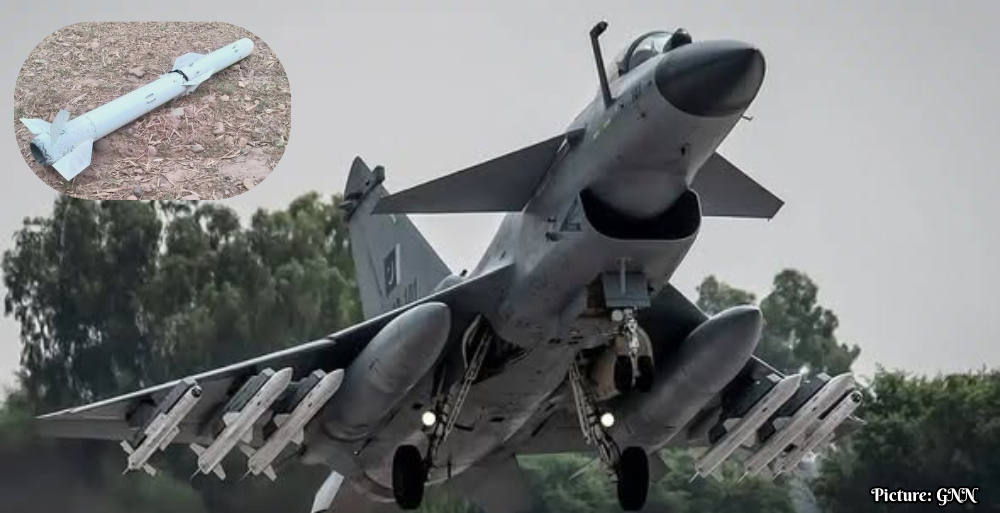
Operation Sindoor, which involved aerial confrontations along the India-Pakistan border, led to the recovery of a nearly intact PL-15E missile near Kamahi Devi village in Punjab’s Hoshiarpur district. Reports indicate that several missiles deployed during the operation failed to self-destruct, allowing for substantial recovery of sensitive hardware. This incident has provided an unusual opportunity for Indian defence scientists to analyze the missile’s radar emissions and communication pathways.
Open-source intelligence highlights that intact missile electronics are invaluable for military analysts, as they can reveal vulnerabilities that traditional surveillance methods might miss. The recovery of the PL-15E has transformed battlefield debris into a critical intelligence asset, shaping future military balances more effectively than isolated tactical victories.
Decoding the PL-15E: Technical Insights
According to reports from the French publication Meta-Defense, specialists from the DRDO and the Indian Air Force (IAF) have successfully decoded key electronic characteristics of the PL-15E. Investigators focused on the missile’s radar emissions, communication structures, and frequency patterns associated with its guidance operations. The findings suggest that the missile’s architecture incorporates advanced active electronically scanned array (AESA) seeker technology, which is critical in modern air combat.
This AESA configuration allows for rapid electronic beam steering and multi-target tracking capabilities, significantly enhancing the missile’s effectiveness in dynamic combat scenarios. As military planners increasingly prioritize electronic warfare, understanding the electronic signatures and operational characteristics of adversary systems becomes essential.
Strategic Implications for India’s Air Force
The implications of this intelligence breakthrough are profound for India’s air force modernization efforts. The information gleaned from the PL-15E could bolster the electronic warfare capabilities of Indian fighter jets, including the Tejas, Rafale, and Sukhoi Su-30MKI. Reports indicate that the insights gained from the PL-15E have already been integrated into the electronic warfare systems of these aircraft, enhancing their defensive capabilities against advanced missile threats.
Furthermore, the knowledge acquired from decoding the PL-15E may facilitate the development of more effective countermeasures against similar threats, thereby improving the survivability of Indian air assets in contested environments. This is particularly significant as military engagements increasingly rely on electronic warfare capabilities rather than sheer fighter performance alone.
International Interest and Broader Strategic Context
The recovery of the PL-15E missile has attracted international attention, with countries such as France, Japan, Britain, Australia, and the United States expressing interest in analyzing the recovered components. This interest underscores the importance of understanding advanced Chinese missile technologies within the context of Indo-Pacific security planning.
Chinese officials have downplayed the incident, asserting that the PL-15E represents an export variant rather than a domestically developed system. However, analysts suggest that China may accelerate its missile development programs in response to the intelligence gains achieved by India. The PL-15E is noted for its impressive specifications, including a range of approximately 145 kilometers, with domestic variants reportedly reaching up to 300 kilometers under specific conditions.
Technological Insights and Future Applications
The recovered PL-15E missile has not only provided insights into its operational capabilities but also into the very architecture of modern missile systems. The AESA seeker technology allows for exceptional tracking and targeting capabilities, particularly in environments where electronic warfare plays a significant role. The ability of this missile to perform rapid frequency shifts and to operate under low probability of intercept modes makes it a formidable adversary in aerial engagements.
For India’s military, the implications of understanding such technology cannot be overstated. The insights gained from analyzing the PL-15E can lead to enhanced defensive systems for the Indian Air Force’s aircraft, particularly in improving their jamming and countermeasure capabilities. This knowledge transfer from battlefield recoveries could enable Indian aircraft to better anticipate and respond to threats posed by advanced missile systems.
Emerging Dynamics in the Indo-Pacific Region
The geopolitical landscape of the Indo-Pacific region is increasingly influenced by technological advancements in military capabilities. The decoding of the PL-15E may act as a catalyst for further innovations within India’s defense sector, pushing for greater self-reliance and advancements in indigenous defense technologies. As India seeks to enhance its strategic capabilities, partnerships with international allies may also deepen, given the shared interest in countering regional threats.
As tensions continue to rise in the Indo-Pacific, the insights gleaned from the PL-15E recovery may provide India with a strategic edge in future military confrontations. The ability to decode enemy technologies and adapt accordingly is a hallmark of modern warfare, and India’s advancements in this area signal a shift in the balance of power within the region.
Conclusion
The decoding of the PL-15E missile by Indian scientists not only enhances India’s electronic warfare capabilities but also signals a shift in how battlefield recoveries can influence military strategy. As nations increasingly navigate a complex web of airpower dynamics in the Indo-Pacific, the intelligence derived from such recoveries could play a pivotal role in shaping future military engagements and strategic calculations. This event highlights the evolving nature of warfare, where electronic intelligence and battlefield hardware recovery can redefine military balances and operational planning.