U.S. Citizenship and Immigration Services has implemented a new policy requiring most foreign nationals seeking permanent residency to apply from their home countries, marking a significant change in immigration protocol.
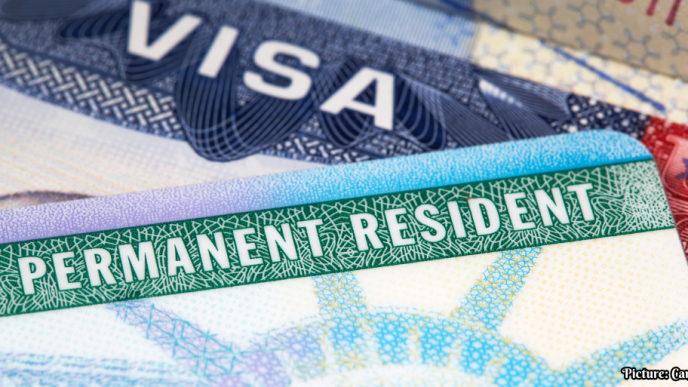
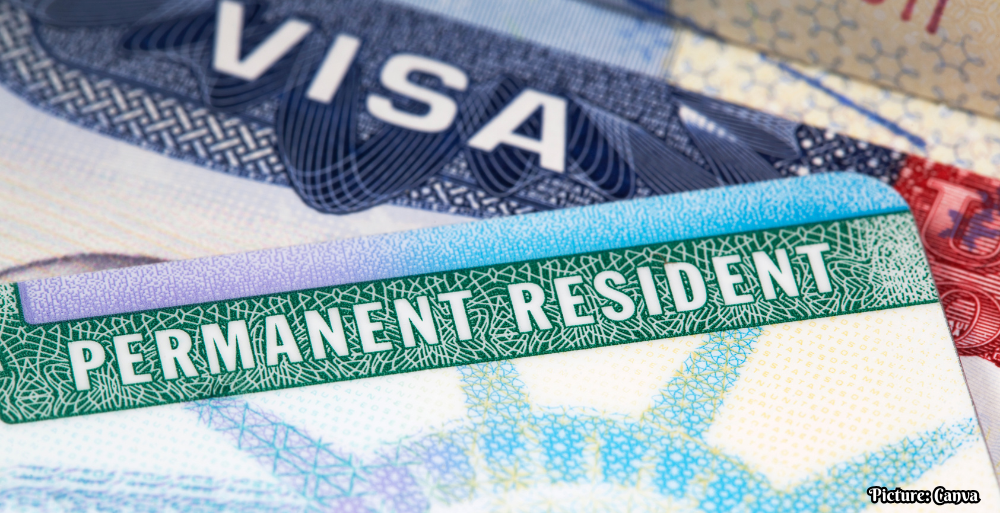
WASHINGTON — On October 26, 2023, the U.S. Citizenship and Immigration Services (USCIS) announced a substantial policy shift regarding the process for obtaining a Green Card, which is the official document signifying lawful permanent residency in the United States. Under the new guidelines, most foreign nationals will be mandated to apply for permanent residency through U.S. consulates in their home countries, rather than from within the United States, a change that reflects a strict interpretation of existing immigration laws and prior court rulings.
The updated policy memo stipulates that immigration officers must review requests for “adjustment of status” on a case-by-case basis, and approvals will only be granted in extraordinary circumstances. The adjustment of status process has historically allowed eligible individuals who are already present in the U.S. to apply for permanent residency without leaving the country. This recent directive significantly narrows the conditions under which this pathway can be accessed.
Background and Context
The shift is seen as a return to the original intent of U.S. immigration law, as articulated by USCIS spokesman Zach Kahler. In his statement, Kahler noted, “We are returning to the original intent of the law by requiring most applicants who entered the U.S. temporarily to return to their home countries to complete the Green Card process.” This statement underscores the agency’s intention to enforce a policy that aligns with the legal framework governing temporary visas, which are meant for short-term stays and specific purposes, rather than as a preliminary step toward permanent residency.
The implications of this policy change are far-reaching, particularly for temporary visa holders, including international students, tourists, and temporary workers. Many of these individuals have built lives in the United States and may now face significant challenges in navigating the immigration system from abroad. The requirement to process applications outside the U.S. could result in prolonged delays and added complexities, affecting not only applicants but also families and communities.
Rationale for the New Policy
USCIS has articulated that this policy adjustment aims to alleviate the significant backlogs currently plaguing the immigration system. By requiring applicants to undergo processing through U.S. consulates overseas, the agency hopes to streamline operations and reallocate resources towards priority areas, such as citizenship applications and cases involving victims of violent crime and human trafficking. The agency posits that this requirement could also help reduce the number of individuals who remain in the U.S. unlawfully after their residency applications are denied.
However, this rationale is met with skepticism by immigration advocates and legal experts who emphasize that the adjustment of status process has been a widely utilized and essential pathway for many immigrants who are already residing in the U.S. Critics argue that the new policy could create additional barriers for individuals and families who have established their lives in the United States, potentially forcing them to uproot themselves and navigate the complexities of the immigration process from their home countries.
Reactions and Concerns
Immigration advocates have expressed deep concerns regarding the potential adverse effects of this policy change. Many are calling for a thorough review of the implications, highlighting the hardships that could arise from mandating that applicants return to their home countries. Advocates argue that this could not only disrupt established lives but also prolong the immigration process, leading to uncertainty and anxiety for families awaiting decisions on their residency applications.
Legal experts have also indicated that there may be significant challenges ahead as the policy is implemented. As the legal landscape surrounding immigration continues to evolve, many observers are closely monitoring how this new directive might influence immigration patterns, legal challenges, and the overall processing of applications moving forward.
Looking Ahead
As this policy takes effect, USCIS has indicated that more detailed guidance will be provided in the memo issued to immigration officers. This memo is expected to clarify how the agency plans to implement the new requirements and outline the specific criteria that will be considered in extraordinary circumstances for those seeking adjustment of status. The evolving immigration landscape reflects broader political and social debates about the role of immigration in American society and the complexities involved in establishing residency within the U.S.
The implications of this new directive will likely resonate across various communities and sectors, and it remains to be seen how these changes will affect the lives of individuals seeking to navigate the U.S. immigration system. As stakeholders from different viewpoints engage with the policy, its impacts will be a focal point of discussion in the ongoing discourse about immigration reform in the United States.