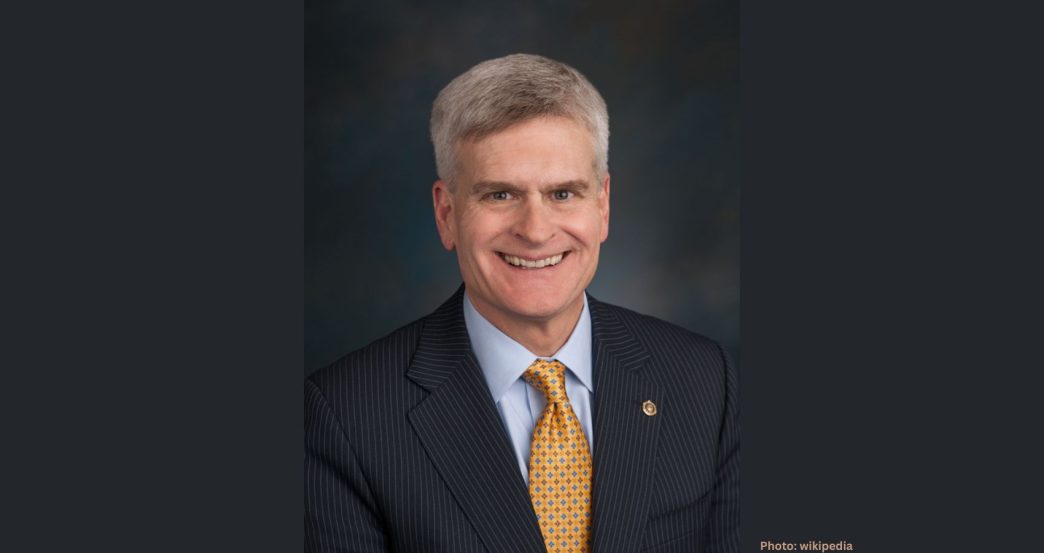
A recent primary election in Louisiana saw incumbent Senator Bill Cassidy lose his bid for reelection, a result influenced heavily by former President Donald Trump’s endorsements and the prevailing sentiments among GOP voters.
Louisiana’s political landscape underwent a significant transformation on May 16, 2026, as incumbent Senator Bill Cassidy was defeated in the Republican primary, marking a noteworthy victory for candidates closely aligned with former President Donald Trump. Cassidy, who has served in the Senate since 2015, garnered 44.8% of the vote, while his main challenger, Julia Letlow, a three-term representative from north Louisiana, received 28.3%. Another contender, former Congressman Ralph Abraham Fleming, finished with 24.8% of the total votes cast, leading to an anticipated runoff between Letlow and Fleming later this summer.
This primary election reflects a growing trend within the Republican Party, particularly in deep-red states like Louisiana, where loyalty to Trump remains a decisive factor among primary voters. Cassidy’s defeat can largely be attributed to his controversial 2021 vote to convict Trump during the impeachment trial related to the January 6 insurrection, a move that alienated many of his constituents. This vote, along with Cassidy’s skepticism regarding Trump’s nomination of Robert F. Kennedy Jr. for the position of Health and Human Services Secretary, further diminished his standing among the MAGA voter base, which has increasingly asserted its influence over the GOP.
Trump’s Influence on Louisiana Politics
The outcome of the primary is seen as a continuation of Trump’s considerable influence within the GOP, particularly following recent successful efforts to unseat other Republican figures who have not aligned closely with his agenda. In April 2026, Trump managed to secure the ousting of several GOP state senators in Indiana, who faced backlash over redistricting disputes. The former president’s involvement in Louisiana’s primary was clearly evident through his endorsement of Letlow, a significant boost in a state where the Republican base remains staunchly loyal to Trump.
In addition to Trump’s endorsement, Letlow’s campaign received critical support from Louisiana Governor Jeff Landry, who not only endorsed her but also played a behind-the-scenes role in bolstering her candidacy. The Make America Healthy Again PAC also contributed a substantial $1 million to her campaign, underscoring the financial backing that solidified her bid for the Senate seat and enabled her to compete effectively against the well-funded Cassidy campaign.
Fleming’s Campaign Strategy
Fleming’s campaign, while initially trailing, gained momentum in the final days leading up to the primary. His grassroots support and strategic messaging resonated with voters seeking a more traditional Republican approach, allowing him to cut into Letlow’s polling lead. The dynamics of the primary set the stage for a runoff election, which is now scheduled to take place in late June 2026. Early polling indicates a potentially close contest between Letlow and Fleming, with Letlow maintaining an advantage from the first round of voting.
Fleming’s strategy capitalized on fostering connections with voters who felt disenchanted with the current direction of the party while still appealing to those who remain loyal to Trump. This nuanced approach may have positioned him as the candidate of choice for voters looking for a middle ground between established political norms and the more extreme elements of the party.
The Road Ahead for GOP Candidates
The impending runoff signifies an intensifying battle for the Republican nomination. As both candidates prepare for the next phase of their campaigns, the focus will likely shift towards key issues that resonate with Louisiana voters, including economic recovery, healthcare, and public safety. The implications of this primary extend beyond Louisiana, as the outcome could serve as a barometer for Trump’s enduring influence over the Republican Party ahead of the 2026 midterm elections.
The defeat of Cassidy also raises questions about the future of Republican incumbents who have faced backlash from the party’s base for diverging from Trump-aligned policies. Cassidy’s loss marks the first time since 2012 that an elected senator has been ousted in a primary, a significant indicator of the shifting priorities and loyalties within the GOP.
As candidates like Letlow and Fleming gear up for the runoff, the broader ramifications for the GOP will be closely monitored, particularly as the party seeks to unify ahead of crucial elections. The primary results may signal a broader reevaluation within the Republican Party regarding its relationship with Trump, as candidates who prioritize loyalty to his agenda may find themselves favored by the party’s base.
In conclusion, the Louisiana primary not only highlights the shifting dynamics within the state’s political framework but also reflects a national trend of increasing polarization within the Republican Party. As the runoff approaches, both Letlow and Fleming will need to navigate the complex landscape of voter sentiment, party loyalty, and Trump’s continued influence to secure the nomination.