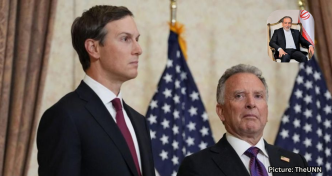
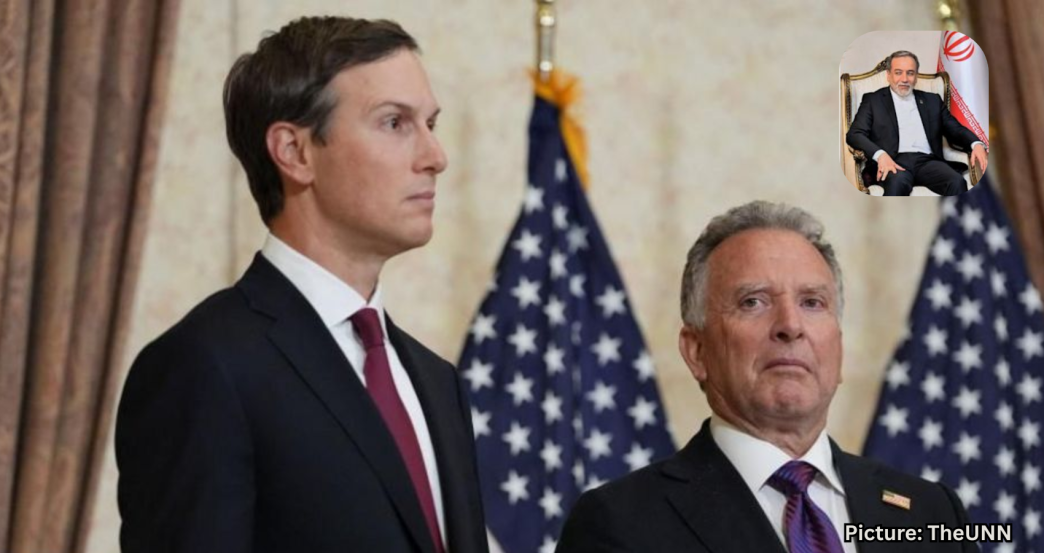
U.S. envoys Steve Witkoff and Jared Kushner are set to meet with Iranian Foreign Minister Abbas Araghchi in Pakistan to discuss potential ceasefire negotiations amid escalating tensions in the Middle East.
ISLAMABAD — The White House announced on Friday that President Donald Trump is dispatching envoys Steve Witkoff and Jared Kushner to Pakistan for a meeting with Iranian Foreign Minister Abbas Araghchi. This diplomatic initiative, scheduled for Saturday, aims to revive ceasefire discussions between the United States and Iran, as the global community grapples with the ramifications of ongoing conflict in the region.
The backdrop to these talks is a growing concern over the impact of the war in the Middle East on global energy supplies, particularly through the strategically significant Strait of Hormuz. This waterway is responsible for approximately one-fifth of the world’s oil and natural gas shipments during peacetime. The conflict has led to significant disruptions in energy exports, with reports of thousands of fatalities across affected countries.
Diplomatic Engagements and Developments
White House Press Secretary Karoline Leavitt, during an interview with Fox News, expressed optimism about the upcoming talks, stating, “We’re hopeful that it will be a productive conversation and hopefully move the ball forward to a deal.” Vice President JD Vance, although not traveling to Pakistan, remains closely engaged in the discussions and has indicated readiness to join the talks if deemed necessary.
Leavitt further revealed that Secretary of State Marco Rubio and members of the national security team are on standby to travel to Pakistan if the situation warrants additional U.S. involvement. Earlier that day, Araghchi confirmed via social media platform X that he was en route to Pakistan, along with planned stops in Oman and Russia, to discuss “bilateral matters and regional developments.”
Previous attempts at negotiating a deal had taken place during indirect talks held in Geneva on February 27, wherein U.S. and Iranian officials engaged in lengthy discussions regarding Tehran’s nuclear program. Those discussions ultimately did not produce any agreements, and the following day, the U.S. and Israel escalated their military actions against Iran.
U.S. Military Presence and Regional Tensions
Despite the diplomatic overtures, tensions remain high in the region. The U.S. continues to enforce a blockade on Iranian ports, and President Trump has issued orders to take military action against small boats suspected of engaging in hostile activities. U.S. Defense Secretary Pete Hegseth emphasized the potential for a diplomatic resolution, stating, “Iran has an important choice, a chance to make a deal, a good deal, a wise deal.”
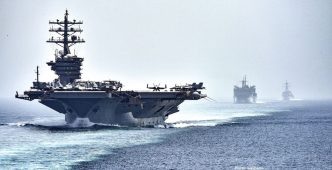
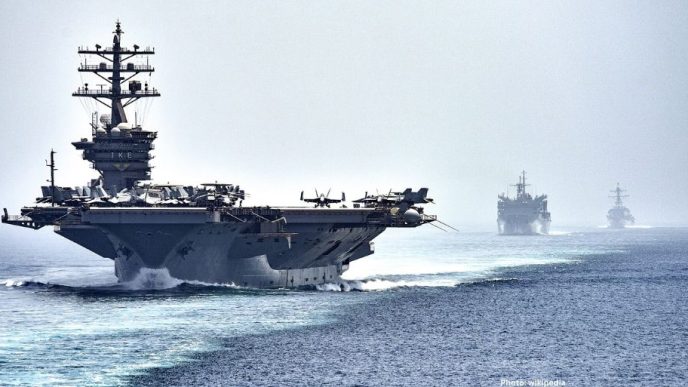
Currently, the U.S. maintains a substantial military presence in the area, with three aircraft carriers operational simultaneously for the first time since 2003. This includes the USS George H.W. Bush in the Indian Ocean, the USS Abraham Lincoln in the Arabian Sea, and the USS Gerald R. Ford in the Red Sea, which collectively house 200 aircraft and approximately 15,000 personnel.
Humanitarian Impact and Ceasefire Efforts
The humanitarian toll of the ongoing conflict has been severe. Since the onset of hostilities, reports indicate that at least 3,375 individuals have died in Iran, alongside over 2,490 fatalities in Lebanon, where renewed clashes erupted between Israel and Hezbollah shortly after the war began. Additionally, the conflict has claimed the lives of 23 people in Israel and several more in Gulf Arab states. Casualties have also been reported among U.N. peacekeeping forces, with six members of UNIFIL, including four Indonesian and two French peacekeepers, killed since the conflict escalated.
Amidst these challenges, Pakistan has been actively pursuing diplomatic initiatives to facilitate dialogue between the U.S. and Iran. Islamabad’s efforts are aimed at reinvigorating negotiations, particularly after President Trump announced an indefinite extension of the ceasefire with Iran, responding to requests for additional time for diplomatic outreach.
Despite this diplomatic engagement, the situation remains precarious, particularly in the Strait of Hormuz. Iran’s recent military actions, including attacks on shipping vessels, have heightened concerns of further escalation. The U.S. is also poised to increase its military presence in the area, with plans to deploy an additional aircraft carrier to the existing blockade.
Conclusion
The upcoming discussions in Pakistan represent a critical juncture in U.S.-Iran relations, as both sides navigate the complexities of diplomacy amid ongoing conflict. The outcome of these talks could have significant implications for regional stability and international energy markets in the weeks and months ahead.