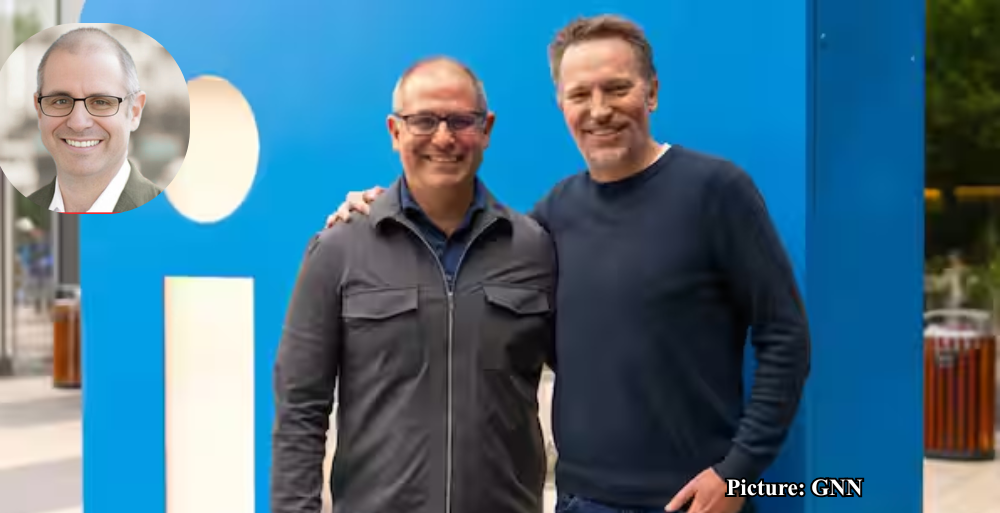
Microsoft has appointed Dan Shapero as the new chief executive officer of LinkedIn, succeeding Ryan Roslansky, who has held the position since 2020. This leadership transition occurs amidst significant changes in professional networking and the increasing influence of artificial intelligence.
REDMOND, WA – Microsoft has officially announced the appointment of Dan Shapero as the new chief executive officer of LinkedIn, effective immediately. Shapero takes over from Ryan Roslansky, who has led the professional networking platform since 2020 and will continue in his role as executive vice president at Microsoft, where he oversees parts of the Office productivity group.
Shapero’s career at LinkedIn began in 2008, and he most recently served as the chief operating officer. Over the past 15 years, he has played a pivotal role in key areas such as sales, marketing, and product development, contributing significantly to the platform’s growth and operational strategies. His appointment comes at a crucial time when LinkedIn is adapting to an evolving landscape of professional networking and addressing the rising influence of artificial intelligence in workplace interactions.
Significant Growth Under Roslansky
During Roslansky’s leadership, LinkedIn saw substantial growth in its user base, expanding from approximately 700 million to 1.3 billion members. This remarkable increase underscores the platform’s effectiveness in attracting a diverse range of professionals and organizations seeking to leverage its networking capabilities. Furthermore, LinkedIn reported an 11% year-over-year growth in revenue during the fourth quarter, indicating a solid financial performance even as its growth rate has moderated compared to the explosive growth that followed Microsoft’s acquisition of the company in 2016 for $27 billion.
Despite the impressive membership numbers and revenue growth, LinkedIn continues to face challenges in the competitive landscape of social media and professional networking. Its revenue scale remains significantly smaller compared to competitors such as Meta, which highlights the hurdles Shapero will need to overcome in his new role.
Shapero’s Vision for LinkedIn
In his first remarks as CEO, Shapero expressed a commitment to fostering a culture of learning and engagement. He stated on LinkedIn, “As I step into this role, similar to how I have approached new responsibilities in the past, I’ll start by learning and listening… connecting with our team, members, creators, and customers, each of whom make LinkedIn the platform that helps create economic opportunity.” This emphasis on collaboration suggests a strategy aimed at enhancing user experience and satisfaction, which may be critical as LinkedIn seeks to retain and grow its user base.
Shapero’s appointment aligns with Microsoft’s broader strategy to integrate artificial intelligence into its products, including LinkedIn and its Office suite. The company has been investing significantly in AI technologies, expanding its data center capacity to accommodate the rising demand for cloud-based AI services. This strategic pivot indicates a focus on leveraging AI to enhance professional networking and improve user engagement.
Leadership Transitions at Microsoft
The leadership change at LinkedIn is part of a broader wave of senior-level transitions within Microsoft. Recently, Rajesh Jha, a prominent figure within the Office division, announced his retirement, and Phil Spencer, who has led Microsoft’s gaming division, has stepped down. Additionally, Charlie Bell, a leader in cybersecurity, has transitioned to a different role within the organization. These shifts reflect a potential reorganization of leadership priorities as Microsoft navigates a rapidly evolving technological landscape.
Accompanying Shapero’s elevation to CEO, LinkedIn’s engineering leadership is also undergoing significant changes. Mohak Shroff, who has been serving as senior vice president of engineering, will transition to a broader role at Microsoft as the president of platform and digital work, reporting directly to Roslansky. Concurrently, vice presidents Erran Berger and Raghu Hiremagalur will take over responsibilities for LinkedIn’s engineering functions, further reshaping the company’s leadership structure.
Future Challenges and Opportunities
The transition to Shapero’s leadership comes at a critical juncture for LinkedIn. As the platform seeks to maintain its growth trajectory and adapt to the changing nature of work and professional interactions in the digital age, Shapero’s experience and vision will be closely scrutinized by industry observers and stakeholders alike. In a landscape increasingly dominated by AI, LinkedIn’s ability to innovate and provide value to its users will be paramount.
Shapero’s extensive background in operations and product management positions him well to tackle these challenges, but the competitive pressures from other platforms will necessitate a robust strategic response. As LinkedIn continues to refine its offerings and integrate AI-driven functionalities, the leadership of Dan Shapero will likely play a pivotal role in shaping the platform’s future direction.
In conclusion, as LinkedIn embarks on this new chapter under Dan Shapero’s leadership, the platform faces both significant opportunities and challenges. The focus on AI integration, member engagement, and strategic growth will be crucial as the company seeks to solidify its position in the professional networking space.