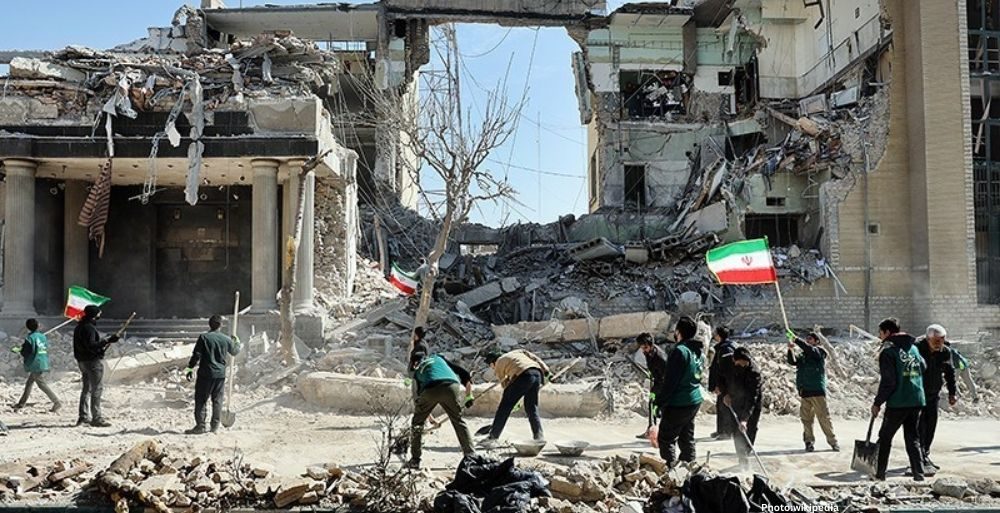
President Trump announced the extension of the U.S. ceasefire with Iran, contingent upon Tehran’s proposal for negotiations. Despite earlier opposition, the decision reflects ongoing diplomatic efforts involving Pakistan as a mediator.
In a surprising turn of events, President Donald Trump declared on Tuesday that the United States would extend its ceasefire with Iran until the Iranian government presents a unified proposal for negotiations. This announcement, made via a post on Truth Social, comes as tensions between Washington and Tehran continue to escalate amid ongoing geopolitical strife.
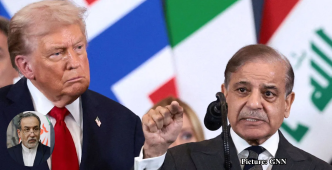
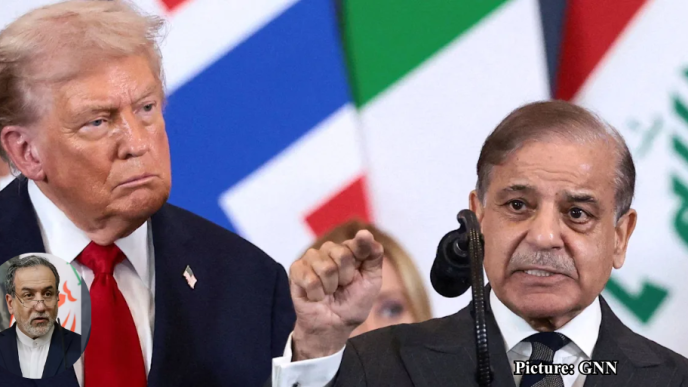
Trump noted that the decision to extend the ceasefire was influenced by the current instability within the Iranian government. He cited requests from both Pakistani Prime Minister Shehbaz Sharif and Field Marshal Asim Munir of Pakistan, indicating a desire for continued dialogue rather than military engagement. Trump stated, “Based on the fact that the Government of Iran is seriously fractured… we have been asked to hold our Attack on the Country of Iran until such time as their leaders and representatives can come up with a unified proposal.”
Despite the ceasefire extension, Trump assured that the U.S. military would remain prepared for action while maintaining the blockade of Iranian ports. He reiterated that the ceasefire would persist “until such time as their proposal is submitted, and discussions are concluded, one way or the other.”
Negotiation Challenges and Diplomatic Efforts
The newfound extension of the ceasefire contrasts sharply with Trump’s earlier comments made just hours before the announcement, in which he expressed skepticism about prolonging the ceasefire. During an interview with CNBC, he stated, “We don’t have much time,” and suggested that military action could resume if negotiations failed, stating that bombing could occur without a deal.
The announcement followed a report from Iran’s state-run news agency, Tasnim, which indicated that Iran had communicated through Pakistan that it would not attend planned talks in Islamabad. In a show of appreciation, Prime Minister Sharif thanked Trump for the ceasefire extension via Truth Social, expressing hope that both nations would adhere to the agreement and work towards a comprehensive peace deal.
Earlier this week, the White House had announced that Vice President Vance would lead a U.S. delegation to Islamabad for the anticipated negotiations, which also included prominent figures such as Trump’s chief envoy to the Middle East, Steve Witkoff, and Jared Kushner. However, the impending deadline for the two-week ceasefire raised questions about the feasibility of these talks, as Vance remained in Washington as of Tuesday afternoon.
Regional Tensions and Military Readiness
As the ceasefire negotiations unfolded, regional tensions escalated sharply over the weekend when U.S. forces intercepted an Iranian cargo vessel attempting to evade the naval blockade established near the Strait of Hormuz. This incident marked the first U.S. military action since the blockade’s inception and prompted Iran to vow retaliation, further complicating the fragile ceasefire.
A source familiar with the situation revealed that U.S. troops were prepared to strike Iranian military targets should Trump authorize such actions. Concurrently, Trump threatened to target Iranian infrastructure if a deal was not reached during negotiations.
In addition to diplomatic efforts, the U.S. Treasury Department announced new sanctions on Tuesday targeting Iran’s ballistic missile and drone programs. These sanctions affected 14 individuals, entities, and aircraft linked to Iran, Turkey, and the United Arab Emirates, highlighting the expansive network Iran maintains across the region despite ongoing conflicts. Treasury Secretary Scott Bessent emphasized the need to hold the Iranian regime accountable for its actions in global energy markets and its aggressive military posture.
Implications of Ceasefire Extension
The decision to extend the ceasefire has drawn mixed interpretations among analysts. Gregory Brew, a senior analyst with the Eurasia Group, suggested that Trump’s retreat from military action signals a deliberate attempt to stabilize market expectations, despite the uncertainty surrounding ongoing negotiations. “Talks might be up in the air, but the shooting isn’t going to resume tomorrow,” Brew remarked on social media.
Conversely, Trita Parsi, executive vice president of the Quincy Institute, characterized Trump’s indefinite ceasefire as a strategy to extricate the U.S. from the conflict without making significant concessions to Iran. He noted that while the ceasefire may provide temporary relief, it does not resolve the underlying tensions, leaving both sides in a precarious position.
As diplomatic efforts continue, the situation remains fluid, with the potential for both escalation and resolution hanging in the balance. The U.S. and Iran are navigating a complex landscape of military readiness, regional alliances, and diplomatic negotiations, highlighting the multifaceted nature of contemporary international relations.