The ongoing negotiations between the United States and Iran to end a seven-week conflict faced new challenges following President Trump’s public statements about the talks. While there appeared to be a path to a potential agreement, the president’s comments raised questions about the viability of reaching a consensus.
As the weekend approached, negotiations between the United States and Iran seemed to be nearing a breakthrough in efforts to conclude a seven-week conflict. However, President Donald Trump’s decision to publicly comment on the negotiations via social media and in interviews with various reporters complicated the situation significantly. On Friday morning, as Pakistani intermediaries were relaying updates from Iranian officials in Tehran, Trump asserted that Iran had agreed to several provisions that sources involved in the talks indicated had not yet been finalized. He claimed that Tehran had accepted many contentious U.S. demands, including the surrender of enriched uranium, and announced an imminent resolution to the conflict.
The Iranian government quickly rejected many of Trump’s assertions, leading to a swift decline in optimism regarding a potential agreement. Iranian officials denied that they were preparing for further discussions, leaving the future of the peace talks uncertain. Some Trump administration officials privately acknowledged that the president’s public statements negatively impacted the negotiations, pointing to the sensitive nature of the discussions and the deep-seated mistrust that Iran holds towards the U.S.
Negotiation Dynamics and Internal Divisions
Reports suggest that there exists a division within Iran’s negotiating team, which is led by Parliament Speaker Mohammad Bagher Ghalibaf and Foreign Minister Abbas Araghchi, and the country’s Islamic Revolutionary Guard Corps (IRGC). This rift raises questions about who ultimately holds the authority to finalize any potential agreement. A source familiar with the talks indicated that Iranian officials were particularly displeased with Trump’s approach of negotiating through social media, perceiving it as an attempt to portray them as capitulating to U.S. demands, which could weaken their domestic standing.
Trump’s public claims included assertions that Iran had agreed to an “unlimited” suspension of its nuclear program and would work with the U.S. to remove its stockpile of enriched uranium. He also indicated that a meeting between U.S. and Iranian officials was likely to occur over the weekend, suggesting that a deal could be reached in the next few days. However, these declarations were met with skepticism from Iranian officials, further complicating the negotiations.
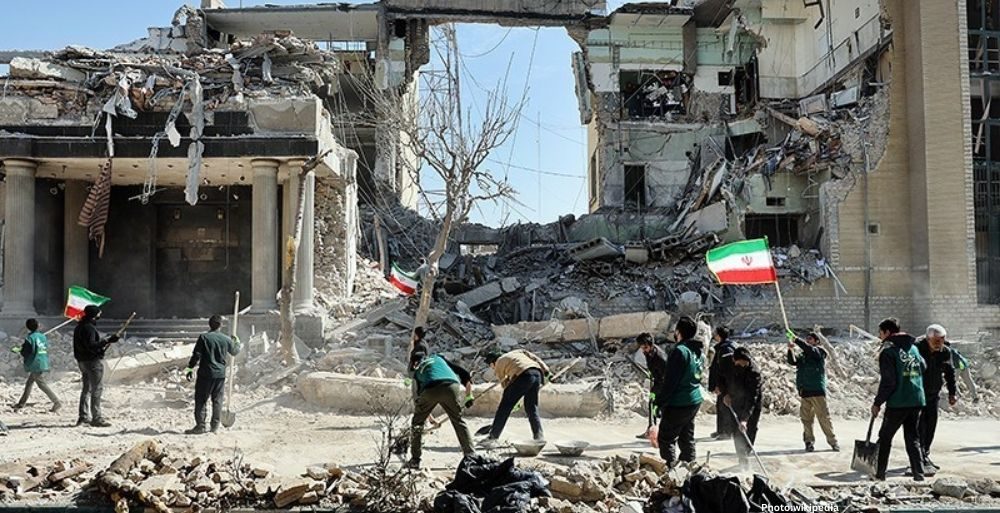
The fragile ceasefire between the two nations faced additional strains over the weekend when a U.S. guided-missile destroyer fired upon and seized an Iranian cargo ship attempting to breach a U.S. naval blockade in the Gulf of Oman. This incident further escalated tensions and raised concerns about the ongoing dialogue’s viability.
Future Negotiations and Implications
As the expiration date of a two-week ceasefire approached, the Trump administration was faced with a critical decision: whether to accept a potentially flawed deal or escalate the conflict that Trump previously stated would be resolved by now. By Monday, Iranian officials expressed a willingness to engage in further negotiations, but the specifics of any forthcoming agreement remained ambiguous.
White House Press Secretary Karoline Leavitt conveyed optimism, stating that the U.S. had never been closer to a favorable deal with Iran, contrasting it with the previous administration’s approach. She emphasized that Trump’s negotiating strategy was aimed at achieving a long-term resolution rather than a temporary fix.
Key points of contention in the negotiations include Trump’s insistence that Iran suspend its uranium enrichment and relinquish its stockpile of material that could be used for nuclear weapons. Conversely, Iran demands control over strategic routes like the Strait of Hormuz and the lifting of U.S. sanctions. Early discussions revealed that U.S. negotiators proposed a 20-year freeze on Iran’s uranium enrichment, while Iran countered with a five-year suspension that was rejected by the U.S.
One of the latest proposals from Iran suggested a 10-year pause on enrichment, followed by a subsequent decade during which it would only enrich uranium to levels below weapons-grade. Trump, however, has insisted on no enrichment indefinitely, rejecting even the 20-year pause previously proposed.
In addition to the nuclear discussions, the Trump administration is considering unfreezing $20 billion in Iranian assets as part of the negotiations, a move that would be contingent upon Iran’s agreement to surrender its stockpile of highly enriched uranium. The flexibility of both sides regarding their demands will ultimately shape the prospects of reaching a conclusive agreement.
Uncertainty and Public Perception
Despite the complexities of the negotiations and rising public discontent regarding the ongoing conflict, Trump maintained that he was under no pressure to finalize a deal. He expressed confidence that a resolution would be forthcoming, stating on Truth Social, “It will all happen, relatively quickly!”
As of Monday afternoon, it remained unclear whether Trump’s advisers had raised concerns about the potential negative impact of his public comments on the negotiations. Throughout the day, he continued to post updates on Truth Social, amounting to over 900 words regarding the conflict.
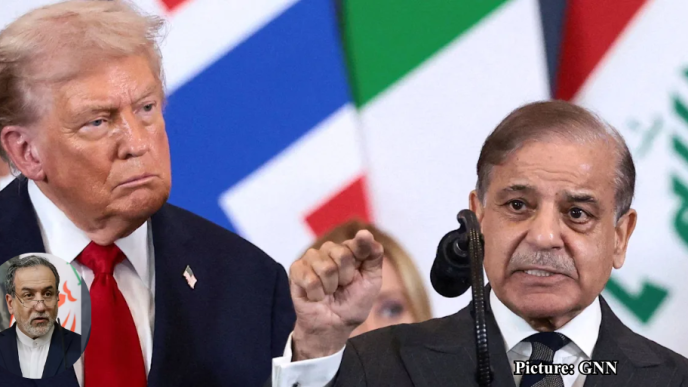
The situation grew more confusing when Trump inaccurately reported that Vice President JD Vance would not participate in the upcoming talks due to unspecified security concerns, while senior officials indicated that Vance would indeed lead the U.S. delegation in Islamabad, a claim that later proved correct. Trump later clarified that Vance was en route to Pakistan for the negotiations, which are now set to commence on Wednesday morning.
As the deadline for the ceasefire approaches, the uncertainty surrounding the negotiations continues to grow. Trump’s comments about the ceasefire’s expiration have varied, with some reports indicating it ends Wednesday evening, allowing for additional discussions before a potential escalation of military action. The nature of the negotiations remains fluid, and the situation continues to evolve.