Amid celebratory claims from the Trump administration regarding progress in U.S.-Iran talks, conflicting statements from Iranian officials and concerns over a ceasefire between Israel and Lebanon have cast doubt on the administration’s assertions.
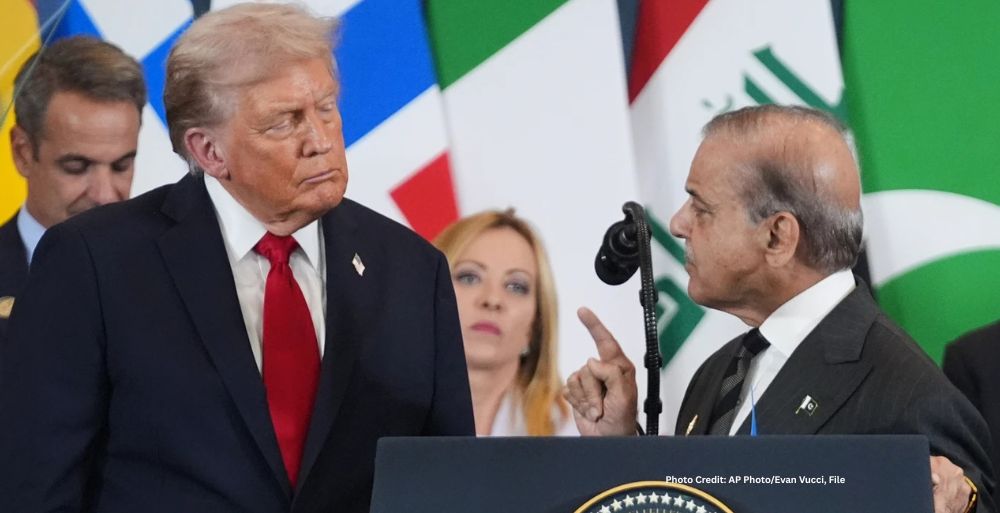
Negotiations between the United States and Iran took an unexpected turn on Friday, as President Donald Trump heralded what he described as a significant breakthrough: Iran’s agreement to open the Strait of Hormuz and a ceasefire between Israel and Lebanon. However, these claims were met with skepticism due to contradictory statements from Iranian officials and pushback from Israeli leaders regarding the ceasefire’s terms.
Trump’s announcement came on the heels of a morning where a ceasefire was reportedly in effect between Israeli and Lebanese forces. He celebrated what he called the opening of the “Strait of Iran,” a term that drew amusement from Iran’s Embassy in Zimbabwe, which suggested that Trump was in a particularly buoyant mood. However, Iranian parliamentary speaker Mohammad Bagher Qalibaf quickly countered, stating on the social media platform X that the U.S. blockade of the Strait of Hormuz was ongoing, disputing Trump’s claims that the waterway was open.
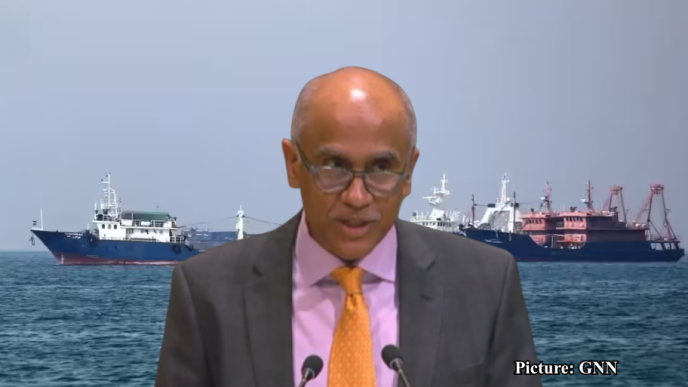
Qalibaf’s statement indicated that the strait “will not remain open” as long as the blockade is in force. According to maritime trade intelligence firm Kpler, the Strait of Hormuz remains effectively closed, with vessel movements limited to designated corridors that require U.S. approval. Kpler also noted that while markets showed cautious optimism in response to Trump’s claims, a full return to normal shipping activities could take months, contingent on a gradual resumption of operations by shipowners.
The Strategic Importance of the Strait
The Strait of Hormuz is a vital waterway for global trade, especially for oil and gas supplies. Its closure or limited access could have significant repercussions for the global economy, which is why it remains a top concern for the Trump administration. Jon Hoffman, a research fellow at the Cato Institute, emphasized that the ceasefire between Israel and Lebanon is crucial for advancing U.S.-Iran negotiations, but the overarching issue remains the strait’s accessibility.
“This war has quickly become a contest of who can absorb the most pain. Here, time is on Iran’s side — the longer the strait remains closed, the greater the political costs will be for President Trump,” Hoffman commented.
Regional Dynamics and Future Considerations
Experts are wary about the sustainability of the ceasefire between Israel and Lebanon. Larry Haas, a senior fellow at the American Foreign Policy Council, expressed skepticism, suggesting that the underlying conflict involves not just Israel and Lebanon, but also Hezbollah, which remains a significant player in the region. “Although there is no official peace between them, they don’t operate in ways that directly threaten one another,” Haas stated, adding that the situation could escalate as Hezbollah resumes hostilities against Israel.
As diplomatic efforts continue, European nations are also preparing contingencies. A meeting involving 49 countries was convened to discuss alternative plans for ensuring safe passage through the Strait of Hormuz. French President Emmanuel Macron and British Prime Minister Keir Starmer announced a proposal for a neutral military operation to safeguard shipping in the strait, aiming to collaborate with the U.S. and other nations while coordinating efforts to avoid escalation with Iran.
Trump’s Claims and Domestic Political Pressure
While Trump asserted that the U.S. blockade remains in effect, he outlined what he described as terms for a potential agreement with Iran. He stated that Iran must relinquish its “nuclear dust,” presumably referring to its enriched uranium stockpiles, and he dismissed reports suggesting that the U.S. would provide Iran with $20 billion in exchange for concessions, stating unequivocally that “no money will exchange hands.”
In a separate statement, Trump claimed to have prohibited Israel from conducting airstrikes on Lebanon, which reportedly took Israeli officials by surprise. Israeli Prime Minister Benjamin Netanyahu expressed concerns that Trump’s comments contradicted the terms of the ceasefire, which, according to U.S. officials, allows Israel to defend itself against imminent threats.
The geopolitical landscape is further complicated by growing political pressure on Trump from within his party. Several prominent Republican senators have begun to voice concerns regarding the ongoing military operations in the region. Senator Susan Collins (R-Maine) indicated that she would likely oppose further hostilities beyond the 60-day mark, while Senator Thom Tillis (R-N.C.) echoed similar sentiments, questioning the strategic objectives of the military engagement.
As discussions continue regarding the future of U.S.-Iran relations and the broader implications of the regional conflicts, the administration faces the dual challenge of navigating international diplomacy while addressing domestic political pressures.