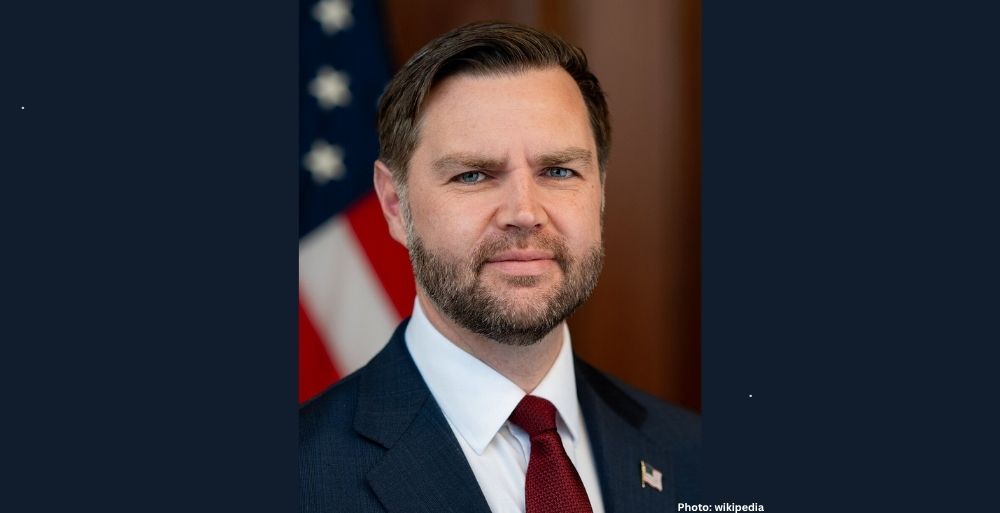
Vice President JD Vance is set to lead a U.S. delegation to Islamabad for crucial discussions with Iranian officials, aiming to extend a ceasefire and mitigate escalating tensions in the region.
ISLAMABAD — Vice President JD Vance will head a U.S. delegation for a critical round of negotiations with Iranian representatives in Islamabad, scheduled for Monday evening. This meeting aims to address ongoing tensions between the United States and Iran, coinciding with the impending expiration of a ceasefire agreement on Tuesday, according to two U.S. officials.
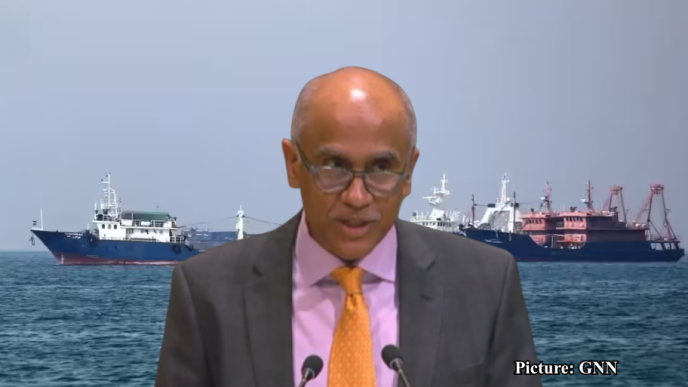
The urgency of these talks follows recent escalations, including an attack by Iranian forces on several commercial vessels in the vital Strait of Hormuz. This incident occurred on Saturday, shortly after President Trump expressed optimism regarding a potential peace deal with Iran. The Iranian government has not yet confirmed its participation in the upcoming discussions, raising questions about the likelihood of a successful outcome.
Context and Importance of the Talks
The negotiations are seen as a last-ditch effort to either solidify a ceasefire or potentially negotiate an end to the ongoing conflict. The ceasefire, which had previously been a point of contention, is critical for maintaining stability in the region, particularly given the strategic importance of the Strait of Hormuz, through which approximately 20% of the world’s crude oil supply is transported.
This round of talks comes after Trump convened an unusual Saturday Situation Room meeting in response to the recent Iranian actions. Following the gathering, Trump reiterated his desire to reach a diplomatic resolution, highlighting the precarious nature of the current situation.
In a post on Truth Social, Trump condemned Iran’s recent military actions, stating, “Iran decided to fire bullets yesterday in the Strait of Hormuz — A Total Violation of our Ceasefire Agreement!” He emphasized the U.S. commitment to negotiating a “very fair and reasonable DEAL,” while simultaneously warning of potential military action should negotiations fail. Trump’s rhetoric suggested a willingness to escalate military responses, stating, “if they don’t take the DEAL, the United States is going to knock out every single Power Plant, and every single Bridge, in Iran.” This statement reflects a significant shift in tone, as Trump had previously assured both the U.S. and the international community that the conflict was de-escalating.
Iran’s Position and Reactions
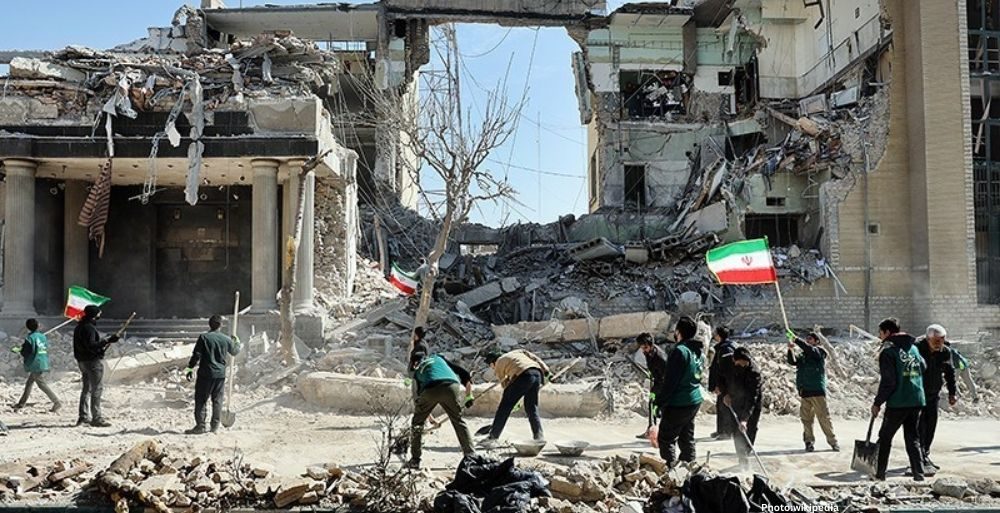
Iran’s recent military maneuvers, including the closure of the Strait of Hormuz, indicate a strategic response to what Tehran perceives as U.S. intransigence. The Iranian government has accused the U.S. of adopting new “maximalist” positions in negotiations, complicating the prospects for a diplomatic resolution. The attack on commercial vessels serves both as a demonstration of military capability and a signal of dissatisfaction with the current state of U.S.-Iran relations.
As tensions rise, the stakes for both parties become increasingly pronounced. The potential for further conflict looms large if the Islamabad talks do not yield satisfactory results. Observers note that the upcoming negotiations could either pave the way for a more stable relationship or set the stage for renewed hostilities.
Previous Negotiations and Historical Context
Historically, U.S.-Iran relations have been fraught with tension, particularly since the 1979 Iranian Revolution, which resulted in the severance of diplomatic ties. Over the years, various administrations have attempted to engage Iran diplomatically, with mixed results. The Joint Comprehensive Plan of Action (JCPOA), established in 2015, marked a significant moment of diplomatic engagement, but its subsequent abandonment by the Trump administration in 2018 further strained relations.
The current negotiations under Vance’s leadership are set against this backdrop of tumultuous history, with both sides having to navigate a complex web of geopolitical interests, regional alliances, and domestic pressures. The failure of past negotiations has heightened skepticism on both sides, and the stakes for a successful outcome are higher than ever.
As the U.S. delegation prepares to meet Iranian officials, the outcome of these talks remains uncertain. The international community watches closely, aware that the implications of these negotiations extend far beyond the immediate concerns of ceasefire and conflict, potentially influencing global oil markets and international security dynamics.
Potential Implications of the Talks
The implications of these talks could reverberate far beyond U.S.-Iran relations. A successful negotiation could lead to a de-escalation of military tensions in the Middle East, potentially stabilizing oil markets that have been jittery due to the conflict. Conversely, failure to reach an agreement could result in an escalation of hostilities, with the U.S. potentially launching military strikes in retaliation for Iranian provocations.
The geopolitical landscape is further complicated by the involvement of other regional actors who have vested interests in the outcome of U.S.-Iran relations. Countries such as Saudi Arabia and Israel are closely monitoring the developments, as any shift in the balance of power could have significant implications for their own security concerns.
In summary, the upcoming talks in Islamabad represent a critical juncture in U.S.-Iran relations, with the potential to either stabilize or further destabilize a volatile region. The effectiveness of the U.S. diplomatic strategy, led by Vice President Vance, will be scrutinized as events unfold. The next few days will be crucial in determining whether a diplomatic resolution can be achieved or whether the rhetoric of war will again dominate the discourse.