A proposal for an Executive Order mandating U.S. banks to collect citizenship information from customers is currently under consideration by the Treasury Department, raising concerns about its implications for both financial institutions and individuals.
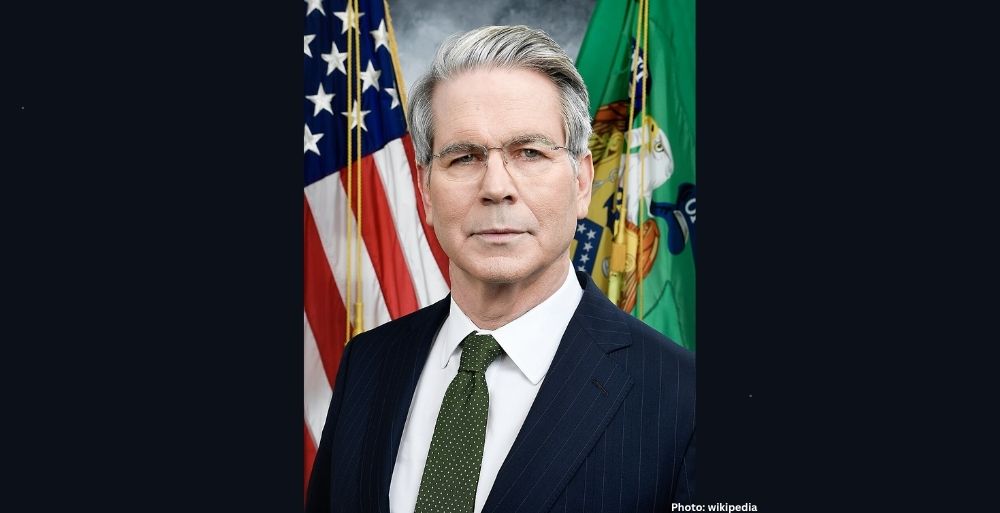
Treasury Secretary Scott Bessent confirmed in a recent interview with Semafor that an Executive Order compelling banks to gather citizenship information from their customers is “in process.” Bessent argued that such a requirement is reasonable, citing practices in the United Kingdom where landlords must verify the citizenship of residents. He questioned the lack of similar oversight within the U.S. banking system, stating, “How do we know that it’s not part of a foreign terrorist organization?” This statement highlights the administration’s ongoing concerns regarding national security and financial integrity.
While Bessent’s comments suggest a move toward more stringent banking regulations, the specifics of the proposed Executive Order remain unclear. A White House official indicated to TIME that the administration is exploring strategies to safeguard the banking system against unacceptable credit risks while ensuring accessibility for all Americans. However, the administration did not disclose what specific citizenship information would be required from customers.
Widespread Implications of the Proposed Order
The potential requirement for banks to verify citizenship could create significant barriers for both non-citizens and a substantial number of American citizens who may not possess readily available documentation. According to a 2023 report from the Federal Deposit Insurance Corporation (FDIC), approximately 96 percent of U.S. households, or about 128 million homes, currently have bank accounts. However, the exact number of non-citizens holding accounts remains uncertain. The Census Bureau estimates that as of 2022, around 46.2 million individuals in the U.S. are foreign-born, with nearly half of them being non-naturalized immigrants.
Efrén Olivares, vice president of litigation and legal strategy at the National Immigrant Law Center, expressed concerns about the potential impact of the proposed order. He noted that many non-citizens, including those on business or tourist visas, contribute significantly to the U.S. economy. Olivares stated, “A lot of people who are not citizens…bring millions and millions and probably billions of dollars to this country’s economy.” He further cautioned that U.S. citizens without adequate documentation could also find themselves unable to access banking services.
A survey by the Brennan Center for Justice revealed that roughly 21.3 million voting-age citizens, or 9.1 percent, do not have documents proving their citizenship readily available. This statistic raises alarm over the potential exclusion of many Americans from the banking system if the proposed order is enacted.
Political Support and Opposition
Support for the potential Executive Order has emerged from some Republican lawmakers. Senator Tom Cotton of Arkansas has been a vocal advocate for such measures, previously urging the Treasury to review regulations that he believes allow illegal immigrants to access financial services. Cotton introduced the Know Your American Customer Act, which would mandate banks and credit unions to verify the citizenship or legal immigration status of their customers and criminalize the act of maintaining a bank account for individuals not lawfully present in the U.S.
In a statement, Cotton asserted, “Access to the American banking system is a privilege that should only be reserved for those who respect our laws and sovereignty.” This legislative effort underscores a broader push among some lawmakers for stricter immigration controls and financial regulations.
However, the proposal has drawn significant criticism from various stakeholders. Critics argue that the requirement could impose substantial costs on financial institutions and hinder economic activity. There are also concerns about privacy violations, as banks may be compelled to collect sensitive personal information. Eric Rodriguez, senior vice president of policy and advocacy at UNIDOS, a Latino civil rights organization, highlighted the dangers of government overreach into personal data, stating, “If they can require banks to demand…hold private personal information…it raises the specter that the government may go after that and use it abusively to track down and harass people in communities.”
Industry Response and Legal Considerations
The banking industry has reportedly expressed opposition to the proposed citizenship verification mandate. Concerns about the impracticality and financial burden of such requirements have been raised by representatives from the industry. Reports suggest that even some Treasury officials are advocating for a more measured approach to the issue.
When pressed about industry concerns, Bessent responded assertively, emphasizing the responsibility of banks to know their customers. He stated, “If Treasury and the banking regulators say it’s their job, it’s their job. Our bank executives’ job is to know your customer. How do you know your customer if you don’t know if they have legal or illegal status, whether they are a U.S. citizen or green card holder?” This perspective underscores the administration’s commitment to enhancing regulatory oversight.
Despite the administration’s intentions, experts warn that the proposed Executive Order is likely to encounter significant legal challenges. Existing regulations under the Bank Secrecy Act and the USA PATRIOT Act already require financial institutions to collect basic information from clients, but mandating citizenship verification would be unprecedented and may face scrutiny in courts.
The ongoing discussions surrounding this Executive Order reflect the broader national debate over immigration policy and its intersection with financial regulations. As the administration navigates this complex landscape, the potential implications for millions of Americans and the U.S. banking system remain a critical area of scrutiny.