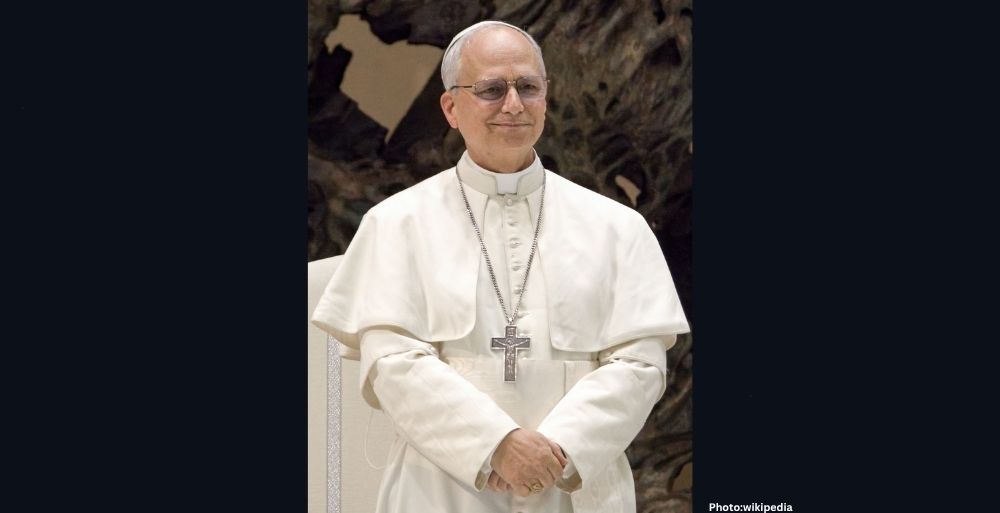
Pope Leo XIV delivered a powerful message advocating for peace and unity among communities in Bamenda, Cameroon, emphasizing the dangers of manipulating religion for personal gain during a meeting dedicated to peace.
In a significant visit to Bamenda, an English-speaking city in Cameroon, Pope Leo XIV addressed the ongoing humanitarian crisis exacerbated by nearly a decade of armed conflict. His visit on the second day of his trip to Cameroon came at a time of relative calm, allowing for an essential dialogue on peace and reconciliation.
Upon his arrival, the Pope met with local authorities at the airport, where he was greeted with traditional ceremonies reflecting the rich cultural heritage of the region. He then proceeded to the Cathedral of St. Joseph, the seat of the Archdiocese of Bamenda, to participate in a Meeting of Peace alongside Archbishop Andrew Nkea Fuanya and various community leaders, including traditional chiefs, religious figures, and families displaced by violence. The event included heartfelt testimonies from local leaders and families, illustrating the profound suffering and resilience of the Bamenda community amid ongoing strife.
Call for Peace and Reconciliation
Pope Leo XIV emphasized the importance of peace, echoing the sentiments expressed by Archbishop Fuanya, who referenced the biblical Prophet Isaiah: “How beautiful upon the mountains are the feet of the messenger who announces peace!” (Is 52:7). The Pope acknowledged the harsh realities faced by the people of Bamenda, noting, “These feet have carried them far in spite of the challenges they have faced, and this community has remained on the path of goodness.” His remarks underscored the remarkable endurance of the people in the face of adversity.
During his address, the Pope highlighted the unique collaborative efforts between Christian and Muslim leaders in Bamenda. These leaders have united to form a Movement for Peace aimed at mediating the conflict between separatists and government forces. “Indeed, your religious leaders have come together to establish a Movement for Peace,” he remarked, expressing hope that such cooperation could inspire similar initiatives globally. This acknowledgment of interfaith solidarity underscores the potential for religious communities to play a pivotal role in conflict resolution.
Condemnation of Violence and Exploitation
In a powerful denunciation of war, Pope Leo XIV cautioned against the manipulation of religion for military and political purposes. He lamented the actions of “masters of war” who perpetuate violence while ignoring the suffering of individuals and families. “It only takes a moment to destroy, yet often a lifetime is not enough to rebuild,” he stated, drawing attention to the stark contrast between the billions spent on weapons and the meager resources dedicated to healing and education.
The Pope further criticized the exploitation of Africa’s resources, noting that the wealth extracted from the continent often funds conflict rather than development. “People who take the resources from the African lands in turn use the money for weapons, perpetuating an endless cycle of destabilization and death,” he asserted. This critique reflects a broader concern among many international observers regarding the impact of resource exploitation on regional stability. He called for a “decisive change of course” and urged individuals and communities to reject exploitation, emphasizing the need for a sustainable future grounded in human dignity.
A Vision for Global Peace
Pope Leo XIV’s message extended beyond Bamenda, emphasizing a universal call for peace rooted in mutual respect and understanding. He stated that peace is not merely a concept to be invented but rather a reality discovered through love and acceptance of one another. “Family is not something we choose, but people we must accept as we live together in the same common home,” he explained. This perspective encourages a vision of humanity that transcends divisions, promoting a sense of global citizenship.
As the meeting concluded, the Pope reiterated the importance of solidarity and compassion in the face of adversity. He encouraged attendees to embody the spirit of love and community, urging them to join in a “silent revolution” of walking together in their respective vocations. Citing Pope Francis, he reinforced his commitment to being present among the people, noting, “My mission of being in the heart of the people is not just a part of my life…that is the reason why I am here in this world.” This statement reflects a deep commitment to pastoral care and a call to action for individuals to engage meaningfully in their communities.
In closing, Pope Leo XIV expressed gratitude for the resilience of the Bamenda community, stating, “Bamenda, today you are the city on the hill, resplendent in the eyes of all.” He urged the people not to lose hope, affirming their role as a beacon of light and justice in a troubled world. His visit serves as a reminder of the vital role of religious leaders in advocating for peace and the importance of grassroots movements in healing and reconciliation efforts. The Pope’s heartfelt message resonated deeply within the community, inspiring a renewed commitment to peace and unity in the face of ongoing challenges.