Former President Donald Trump’s recent social media post depicting him in a Jesus-like manner has sparked significant backlash among Christian leaders, raising questions about the intersection of faith and politics in his ongoing campaign.
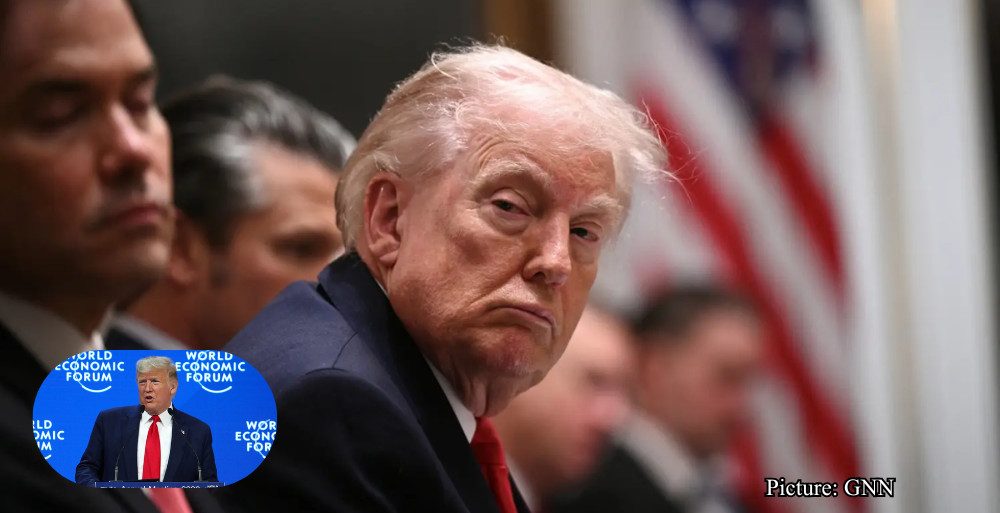
Former President Donald Trump faced a wave of criticism from Christian communities following a post on his social media platform, Truth Social, in which he appeared to depict himself as a Jesus-like figure. The post, which featured an image of Trump in flowing robes with one hand resting on a sick man while the other hand emitted light, was shared on Sunday evening but quickly generated controversy and was removed by Monday morning.
The image has been described by some as “blasphemous,” igniting a broader discussion about the relationship between Trump and the Christian voter base that played a pivotal role in his previous electoral success. Prominent Christian leaders, including some who were previously allies during his administration, have expressed discomfort with the imagery and its implications.
Context of the Backlash
Rev. Paul D. Erickson, bishop of the Greater Milwaukee Synod of the Evangelical Lutheran Church in America, articulated his concerns in a statement to Axios, labeling the post as another instance of the administration’s embrace of Christian Nationalism. He emphasized that this ideology aims to forge a troubling alliance between political power and divine authority, which he argued confuses theological principles with governmental agendas.
Erickson’s remarks reflect a growing unease among faith leaders regarding Trump’s rhetoric and policies, particularly as they relate to the Christian community. Historical context is essential here; Trump’s presidency has been marked by a series of contentious engagements with religious figures and institutions, including a notable critique of Pope Francis, whom Trump labeled as “weak on crime” and “terrible for foreign policy” just hours before his controversial post.
Responses from Christian Leaders
In light of the image posted by Trump, various Christian commentators have taken to social media to express their dismay. Riley Gaines, a Fox News contributor, questioned Trump’s intent behind the post, remarking, “Why? Seriously, I cannot understand why he’d post this. Is he looking for a response? Does he actually think this?” She further suggested that a measure of humility would benefit the former president.
Additionally, Brilyn Hollyhand, a conservative Gen Z political commentator, referred to the post as “gross blasphemy,” arguing that even in jest, comparisons to Jesus undermine core values held by many Christians. These sentiments were echoed by Michael Knowles, a conservative Catholic podcaster, who urged Trump to reconsider the post for both spiritual and political reasons.
Trump’s Explanation and Administration’s Stance
In a surprise press conference on Monday, Trump attempted to clarify the intent behind the image, stating that he believed it depicted him as “a doctor” and was related to the Red Cross. However, critics pointed out that there was no explicit reference to the Red Cross in the image itself, further complicating the narrative.
Trump’s administration has maintained a complex relationship with Christian communities, often positioning itself as a defender against perceived anti-Christian bias. Yet, this stance is juxtaposed with its foreign policy actions, particularly regarding immigration and international conflict, which have drawn criticism from various religious leaders.
The Broader Implications
The recent incident not only sheds light on the delicate dynamics between Trump and his Christian supporters but also highlights broader tensions within the Republican Party regarding issues of faith and governance. As the 2024 presidential campaign continues to unfold, the implications of such actions may resonate deeply among the electorate.
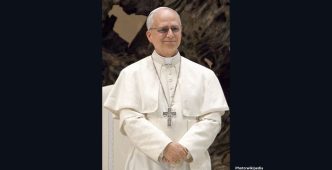
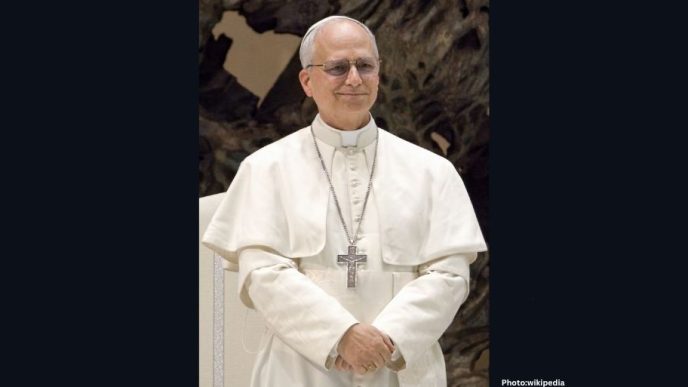
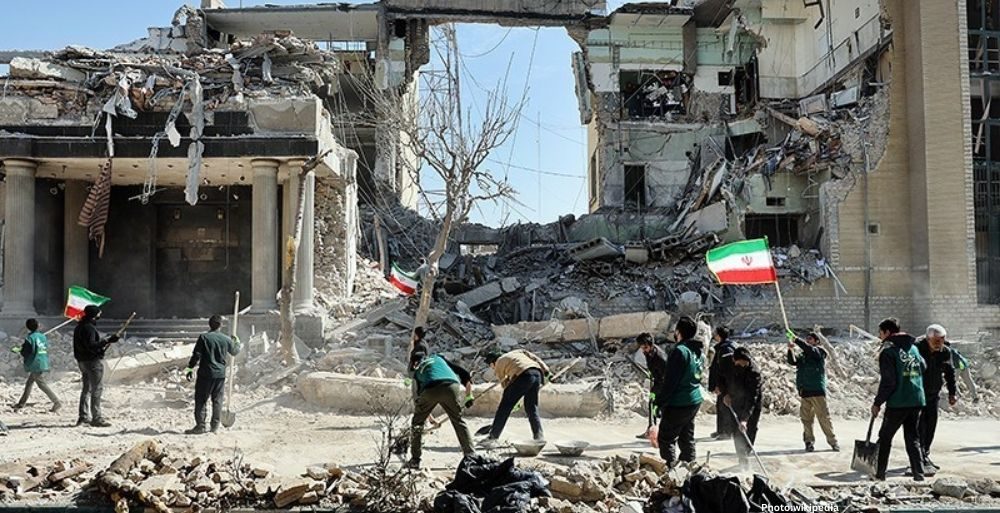
Moreover, in a recent interview with CBS’s “60 Minutes,” three cardinals from U.S. archdioceses supported calls for peace regarding the ongoing conflict in Iran, a point made more poignant given Trump’s aggressive rhetoric surrounding the nation. Cardinal Robert McElroy’s assertion that the conflict does not align with Catholic teachings on just war principles further emphasizes the ideological chasm between the administration’s policies and the stances of various religious leaders.
As the political landscape evolves, the intersection of faith and politics will likely remain a critical area of focus for both candidates and voters alike, as they navigate the complexities of belief, representation, and governance. The reactions to Trump’s recent post serve as a reminder of the challenges inherent in aligning political ambitions with religious values, a balancing act that is fraught with potential consequences for all involved.