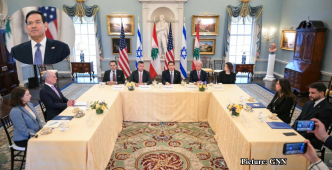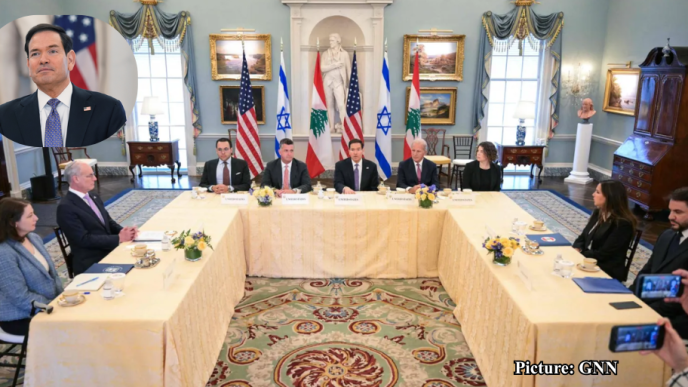

The United States has proposed a two-decade moratorium on uranium enrichment to Iran during recent negotiations in Islamabad, highlighting critical divisions over Iran’s nuclear program that obstructed a potential agreement.
In a significant diplomatic development, the United States has proposed that Iran accept a 20-year moratorium on uranium enrichment, a condition that emerged during negotiations held in Islamabad over the weekend. This information was confirmed by a U.S. official and an additional source familiar with the discussions. In response, Iranian officials have countered with a proposal for a much shorter timeframe, reportedly indicating a desire for a commitment lasting only a ‘single digit’ number of years.
Significance of the Proposal
The divergence in positions regarding Iran’s nuclear program has become the central issue obstructing a potential agreement. The core contention lies in whether Iran will agree to halt uranium enrichment and relinquish its current stockpile of enriched uranium. A U.S. official emphasized the importance of the moratorium, stating, ‘The United States suggested 20 years at a minimum with all kinds of other restrictions.’ This proposal is significant not only due to its duration but also because of the broader implications for regional security and international relations.
In addition to the moratorium, U.S. negotiators have requested that Iran eliminate all highly enriched uranium from its territory. In contrast, Iranian officials have responded with an offer for a ‘monitored process of down-blending’ their enriched uranium stock, suggesting a willingness to negotiate but also highlighting the substantial differences between the two sides.
Recent Developments
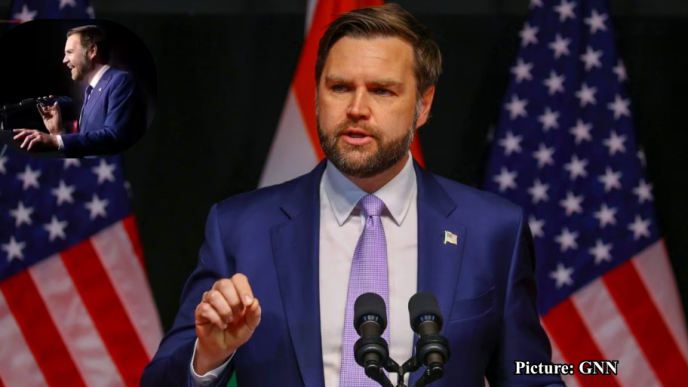
Despite the absence of a formal agreement, Iranian negotiators believed they were nearing a preliminary accord as of Sunday morning. However, the situation took an unexpected turn when U.S. Vice President Vance held a press conference that did not reflect the optimism felt by the Iranian delegation. Sources indicated that the Iranian representatives were taken aback by Vance’s remarks, which did not imply that a deal was imminent and instead placed blame on Iran for the stalled negotiations.
An Iranian member of parliament involved in the negotiations, Seyyed Mahmoud Nabavian, cited the U.S. demands concerning uranium enrichment as the primary reason for the absence of an agreement. Meanwhile, Israeli Prime Minister Benjamin Netanyahu stated that Vance communicated the stance that the key impediment remained Iran’s enriched material and the assurance of no further enrichment in the coming years, possibly extending to decades.
International Mediation Efforts
As tensions persist, mediation efforts are being led by representatives from Pakistan, Egypt, and Turkey to bridge the gaps in negotiations. Pakistani Prime Minister Shehbaz Sharif confirmed that these mediators are actively working to resolve the outstanding issues between the U.S. and Iran ahead of the impending ceasefire deadline on April 21. The involvement of these regional powers underscores the complexity of the situation and the high stakes involved in reaching a diplomatic resolution.
In a related development, Egyptian Foreign Minister Badr Abdelatty is expected to visit Washington this week for discussions with Secretary of State Marco Rubio and other senior U.S. officials. Turkish Foreign Minister Haqan Fidan, who is also engaged in mediation, expressed optimism about the sincerity of both sides regarding a ceasefire. Fidan noted, ‘Initial positions are always somewhat maximalist. Later, the parties try to find common ground with the support of mediators.’
Fidan suggested that extending the current ceasefire by 45 to 60 days might be necessary to facilitate further negotiations. He emphasized that if the nuclear discussions devolve into an ‘all or nothing’ scenario, particularly regarding enrichment, it could pose a significant obstacle to progress. This perspective reflects the inherent challenges faced by negotiators in reconciling differing national interests.
Future Implications
The ongoing negotiations represent a critical juncture in U.S.-Iran relations, which have been fraught with tension since the U.S. withdrew from the Joint Comprehensive Plan of Action (JCPOA) in 2018. The proposal for a long-term moratorium on uranium enrichment marks a significant shift in U.S. strategy, aiming to address both immediate security concerns and long-term geopolitical stability in the region.
As the situation evolves, the U.S. administration continues to engage with Iran in search of a resolution to the nuclear impasse. The prospects for a deal remain uncertain as negotiations proceed amid a backdrop of geopolitical tension and complex diplomatic relations. The outcome of these discussions could have far-reaching implications for regional stability and international security.
With the U.S. maintaining pressure through its proposals and mediation efforts from regional allies, the coming days will be critical in determining whether both parties can find common ground and avert further escalation. The potential for a breakthrough hinges not only on the willingness of both sides to compromise but also on the effectiveness of international mediators in facilitating dialogue and fostering trust.