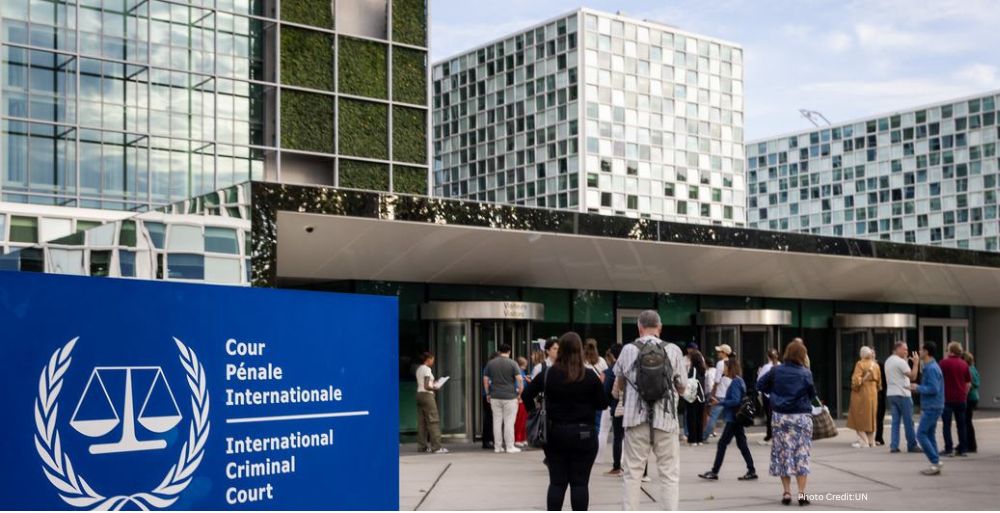
UN Secretary-General António Guterres and International Criminal Court (ICC) officials have strongly criticized the United States’ recent sanctions against the court, labeling them as a severe threat to the international legal framework and the pursuit of justice.
The United Nations and the International Criminal Court (ICC) find themselves at a pivotal moment following the announcement of new sanctions imposed by the United States against the court. These sanctions, characterized by ICC officials as an unprecedented assault on the rule of law, have triggered widespread concern among international leaders and human rights advocates regarding their potential impact on global justice mechanisms.
Overview of the Sanctions
The recent sanctions build upon existing measures targeting 13 judges and prosecutors affiliated with the ICC. Senator Marco Rubio, who announced the sanctions, described the ICC as a “rogue court” and stated that the U.S. would take steps to cut off its financial resources. Rubio emphasized that the U.S. has never been a participant in the court’s framework, asserting, “America never joined the court. We don’t need it. And we don’t want it.” Furthermore, he issued a stark ultimatum, warning that unless the ICC ceases its perceived threats, the United States would prioritize dismantling the institution. Rubio further expressed anticipation that U.S. allies would join in efforts to curtail the court’s activities.
ICC’s Response to the Sanctions
The ICC responded with a strong rebuke of the sanctions, asserting that they are intended to disrupt its operations and intimidate those who work with or for the court. ICC President Tomoko Akane firmly stated, “The court will continue to fully discharge its mandate, with independence and impartiality, acting only on the basis of the law and the evidence for the sake of the countless victims of grave crimes.” This declaration underscores the court’s commitment to its foundational mission of delivering justice, regardless of external pressures.
In its official statement, the ICC highlighted that its future viability relies not solely on the court’s internal resolve but also on the support of the states that established it. The Rome Statute, which serves as the legal backbone for the ICC, is contingent upon the active commitment of its member states. The court concluded its statement with a poignant reminder, asserting, “No one should be punished for serving the cause of justice. History will judge this moment.” This assertion reflects the gravity of the current situation and the potential long-term consequences for international law.
UN Secretary-General’s Critique
UN Secretary-General António Guterres expressed profound concern regarding the sanctions through his spokesperson, Stéphane Dujarric. Guterres condemned the measures as a “serious blow” to the collective pursuit of international criminal justice, a field in which the ICC plays a critical role. He urged all states to uphold their commitments under international law and reiterated the UN’s dedication to collaborating with the ICC based on a relationship agreement approved by the General Assembly on September 13, 2004.
Statements from Human Rights Experts
Independent UN human rights experts have echoed the sentiments expressed by the ICC and Guterres, labeling the U.S. sanctions as a “brash attempt” to dismantle the international legal framework that holds perpetrators of serious crimes accountable. They called upon all nations committed to the rule of law to unite in defending the ICC’s independence. The experts emphasized, “Sanctioning the institution entrusted with delivering justice for the gravest international crimes is an assault on the foundations of international accountability and rule of law.” They further cautioned that such actions ultimately harm the very victims of atrocities who rely on the ICC for justice and reparation.
Implications for International Law
The imposition of these sanctions marks a critical turning point in the relationship between the United States and international legal institutions. Established in 2002 under the Rome Statute, the ICC was designed to prosecute individuals for genocide, war crimes, and crimes against humanity. Despite its foundational role in international law, the U.S. has consistently refrained from joining the court, citing concerns over its jurisdiction and potential overreach.
As tensions between the U.S. and the ICC escalate, the future of international criminal justice hangs in the balance. The ICC’s operational effectiveness is contingent upon the cooperation of states, including the United States, which has historically played a significant role in shaping international legal and human rights standards. The current sanctions not only threaten the ICC’s functionality but may also embolden other nations to disregard international legal norms.
Historical Context and Future Considerations
This latest development comes amid a broader context of increasing skepticism toward multilateral institutions and international agreements. The U.S.’s historical reluctance to engage with the ICC reflects a longstanding debate over national sovereignty versus global accountability. Critics argue that the ICC is essential for addressing impunity in cases of severe human rights violations, while proponents of U.S. sanctions contend that the court poses risks to American citizens and military personnel.
Moving forward, the international community must grapple with the implications of U.S. sanctions on the ICC and the precedent they set for future interactions between powerful states and international legal institutions. As the global landscape continues to evolve, the necessity for a robust and independent ICC will remain crucial for promoting accountability and justice worldwide.
In conclusion, the recent sanctions imposed by the United States have elicited widespread condemnation from the United Nations and the International Criminal Court, underscoring the ongoing struggle to uphold international law amidst growing geopolitical tensions. As the situation unfolds, the ramifications for international justice and accountability will remain a critical area of focus for policymakers and advocates alike.