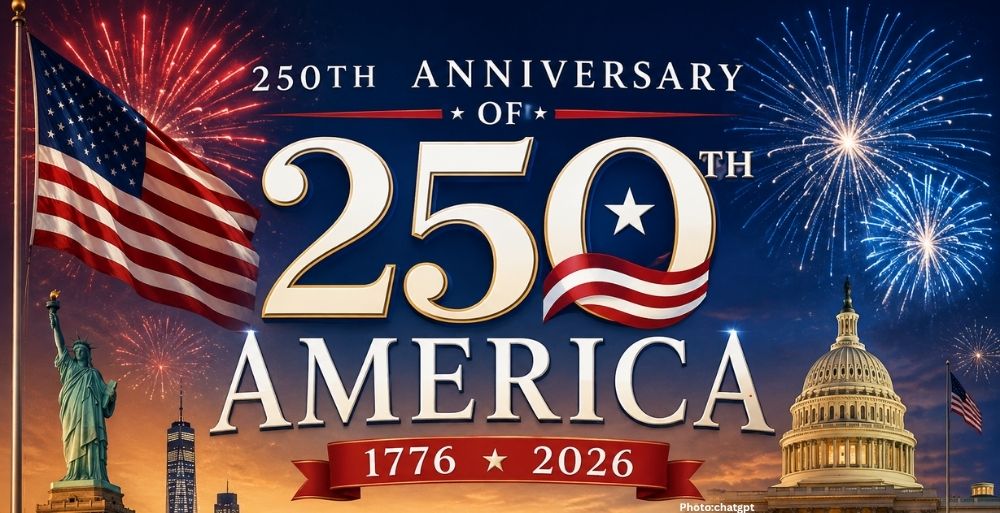
As the United States approaches its 250th anniversary of independence, planned celebrations are set to reflect on the nation’s history, ideals of freedom, and ongoing social challenges.
On July 4, 2026, the United States will mark a significant milestone—the 250th anniversary of its independence. This occasion is expected to prompt a series of nationwide celebrations that will not only honor the historical significance of the event but also encourage a dialogue about the principles of democracy and freedom that continue to define the nation.
Historical Significance of Independence Day
Independence Day celebrates the adoption of the Declaration of Independence on July 4, 1776, a pivotal moment in American history when the thirteen colonies declared their freedom from British rule. Crafted primarily by Thomas Jefferson, the Declaration encapsulated the revolutionary ideas of liberty and equality, which have been central to the American ethos ever since.
However, as the nation prepares for this momentous anniversary, there is an increasing focus on the complexities of its founding. While the Declaration proclaimed rights and freedoms, it simultaneously existed alongside practices such as slavery and the disenfranchisement of Native Americans and women. Historians and commentators stress the importance of acknowledging these dual narratives as the country reflects on its past.
Organizing the Celebrations
The America250 initiative, a collaborative effort involving various organizations and civic leaders, is at the forefront of planning the national celebrations. This initiative seeks to create a platform that honors the diverse experiences and contributions of all Americans, ensuring that the events resonate with a broad audience. Plans include cultural exhibitions, educational programs, and community service initiatives that invite widespread participation.
In anticipation of this anniversary, which is expected to draw significant attention both domestically and internationally, discussions have arisen regarding the narrative that will be presented. Some advocates are pushing for a more inclusive portrayal of U.S. history that recognizes historical injustices, while others emphasize a traditional patriotic narrative focused on national achievements and unity.
Political Discourse and Identity
The upcoming anniversary comes at a time of heightened national discourse regarding identity and civic engagement. As Americans prepare to celebrate their heritage, differing opinions have emerged on how best to frame the nation’s history. Some political leaders have proposed public funding for events that emphasize unity and shared values, while others have raised concerns about potential politicization of the celebrations.
Congressional leaders from various parties have begun to voice their perspectives on the celebrations. For instance, some propose funding for programs that highlight the contributions of diverse communities, while others argue for a celebration focused on traditional patriotic values. This divergence in opinion highlights the ongoing struggle over how American history is interpreted and commemorated.
Local Engagement and Grassroots Initiatives
In addition to traditional fireworks and parades, many communities are planning events that incorporate artistic expressions and performances centered on themes of freedom and equality. These grassroots efforts exemplify how local communities can actively shape the narrative of the nation’s past and future, encouraging participation from citizens of all backgrounds.
Looking Ahead: Challenges and Opportunities
The 250th anniversary of U.S. independence represents not only a moment for celebration but also a pivotal opportunity for reflection. As the date approaches, the nation finds itself at a crossroads, balancing the celebration of its founding ideals with a critical examination of its historical flaws. The planning and execution of events will likely influence how Americans perceive their identity and shared values in the years ahead.
As discussions continue regarding the themes and narratives to be emphasized during the celebrations, it is clear that this anniversary is not merely a retrospective glance at history. Rather, it serves as a chance to envision the future of democracy, freedom, and social justice in the United States. The upcoming celebrations will be a testament to the enduring quest for a more perfect union, inviting all citizens to participate in shaping the narrative of their collective identity.
Conclusion
The 250th anniversary of American independence signals a significant moment for the nation. It calls for an inclusive approach that honors the complexity of U.S. history while celebrating the principles of freedom and democracy that continue to inspire citizens today. As the nation gears up for this momentous occasion, the emphasis on community engagement, historical reflection, and a commitment to shared values will ultimately define the legacy of this anniversary.