The United States Navy will initiate a blockade of vessels in the Strait of Hormuz after peace negotiations with Iran concluded without a resolution, President Trump announced on Sunday.
On Sunday, President Donald Trump declared that the U.S. military would begin a blockade of ships attempting to enter or exit the Strait of Hormuz, a crucial maritime corridor for global oil transport. This announcement followed the breakdown of peace talks with Iran that took place over the weekend in Islamabad, Pakistan, where significant disagreements emerged over Tehran’s nuclear capabilities.
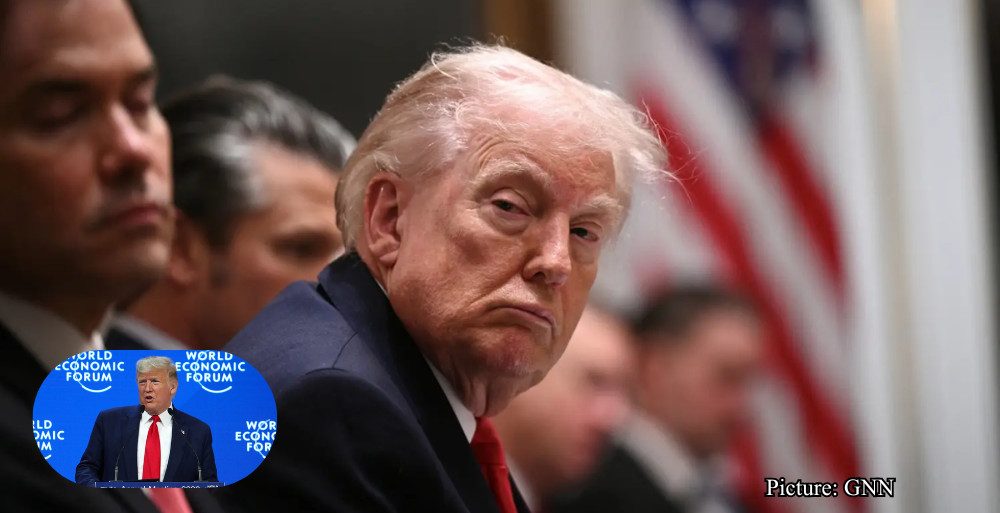
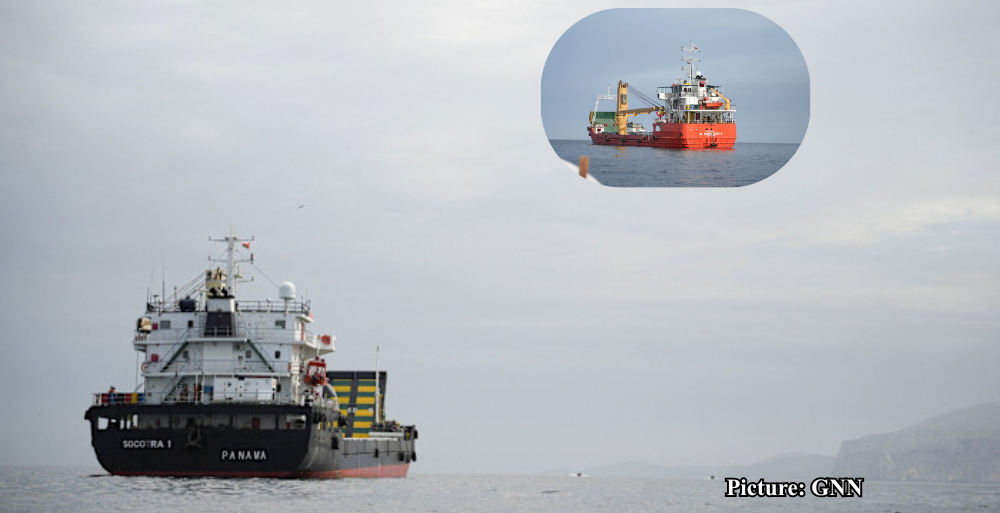
In a post on his social media platform, Truth Social, Trump stated, “Effective immediately, the United States Navy, the Finest in the World, will begin the process of BLOCKADING any and all Ships trying to enter, or leave, the Strait of Hormuz.” He added that he had instructed the Navy to “seek and interdict every vessel in International Waters that has paid a toll to Iran,” marking a substantial escalation in U.S. military involvement in the region.
Importance of the Strait of Hormuz
The Strait of Hormuz is a vital waterway through which approximately 20% of the world’s oil supply passes. The strategic significance of this corridor cannot be overstated; it has been a focal point of geopolitical tensions, especially since renewed hostilities began in late February. Recently, Iran has been charging vessels attempting to navigate through the strait, contributing to soaring oil and gas prices that have rippled across the global economy.
The current geopolitical tensions have resulted in a de facto closure of the Strait, raising concerns about energy security worldwide. The blockade declared by President Trump is expected to further complicate access to this crucial shipping lane, with potential ramifications for international oil markets.
Details of the Failed Negotiations
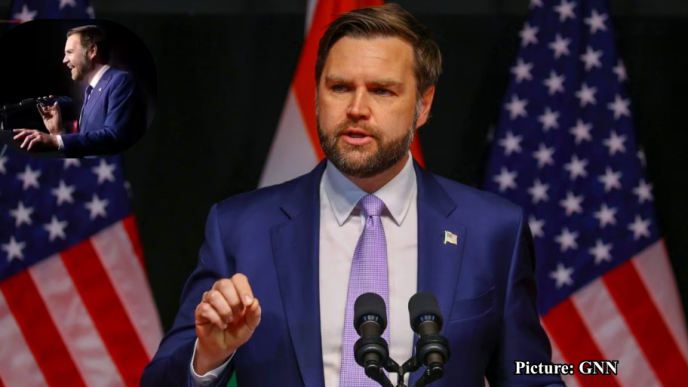
Vice President Mike Pence disclosed on Saturday evening that the U.S. and Iran failed to negotiate a ceasefire agreement during their talks. Trump attributed the breakdown of negotiations to Iran’s unwillingness to compromise on its nuclear ambitions. In his remarks, Trump emphasized that while some points of agreement were reached, they were overshadowed by the critical issue of Iran’s nuclear program. “In many ways, the points that were agreed to are better than us continuing our Military Operations to conclusion, but all of those points don’t matter compared to allowing Nuclear Power to be in the hands of such volatile, difficult, unpredictable people,” Trump stated.
These comments reflect a long-standing concern among U.S. officials regarding Iran’s nuclear capabilities. The negotiations had aimed to address a range of issues, but the nuclear question proved to be the sticking point, underscoring the complexities of diplomatic engagement with Tehran.
International Reactions and NATO’s Role
Trump’s announcement of the blockade is likely to provoke significant international reactions, particularly from U.S. allies within NATO. Pressure has been mounting on these allies to assist the U.S. in reopening the Strait of Hormuz, especially as tensions escalate in the region. Recently, NATO Secretary General Jens Stoltenberg met with Trump at the White House, amidst discussions regarding the ongoing conflict. However, the specifics of international participation in the blockade remain unclear, with many nations weighing their options carefully in the face of potential repercussions.
The NATO alliance has historically played a role in maintaining maritime security, but the decision to support a U.S.-led blockade could invite criticism and complicate relations with Iran. Countries in the region, as well as global powers like China and Russia, are likely to monitor the situation closely, as their interests may be adversely affected by increased U.S. military presence and operations in the area.
Future of the Ceasefire and Possible Escalations
The future of the two-week ceasefire in Iran remains uncertain following the unsuccessful negotiations. Trump noted in his social media posts that despite the talks going reasonably well in some respects, they ultimately failed to address the core issue of nuclear proliferation. “So, there you have it, the meeting went well, most points were agreed to, but the only point that really mattered, NUCLEAR, was not,” he remarked, emphasizing the gravity of the situation.
International observers have expressed concern that a U.S. blockade could lead to further military confrontation. The potential for miscalculation or escalation remains high, particularly given the history of naval encounters in the region. The U.S. has a significant military presence in the Middle East, but the situation is fluid, and any aggressive moves could provoke a strong response from Iran.
Global Economic Impact
The implications of the blockade and heightened military presence in the Strait of Hormuz could reverberate throughout global markets, particularly given the strategic importance of the waterway to oil transportation. Economists and analysts have expressed concern that further escalations could lead to significant disruptions in oil supply, potentially causing prices to surge in an already volatile market. The ongoing tensions have already been reflected in rising gas prices across various regions, exacerbating the economic strain on consumers and businesses alike.
As the situation develops, it remains to be seen how both the U.S. and Iran will navigate these heightened tensions. The international community is likely to monitor the U.S. military’s actions closely, as any missteps could lead to further conflict in an already unstable region. The White House has yet to provide additional details regarding the blockade or any potential diplomatic engagements moving forward.
In summary, the decision to blockade the Strait of Hormuz marks a significant shift in U.S. policy towards Iran, driven by ongoing concerns over nuclear weapons and regional stability. The ramifications of this decision could have lasting effects on international relations, economic stability, and the geopolitical landscape of the Middle East.