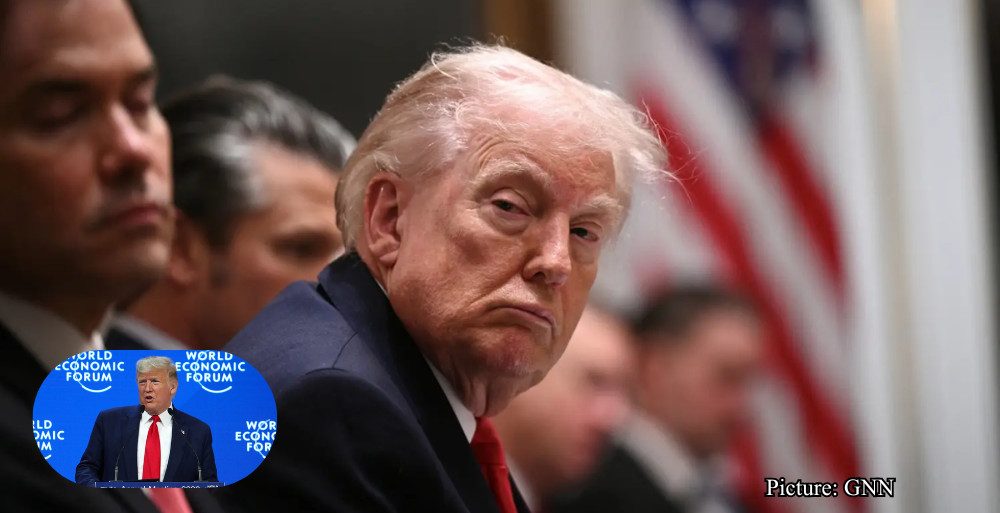
President Donald Trump publicly criticized Pope Leo XIV for the pontiff’s condemnation of U.S. military actions in Iran, raising tensions between the White House and the Vatican.
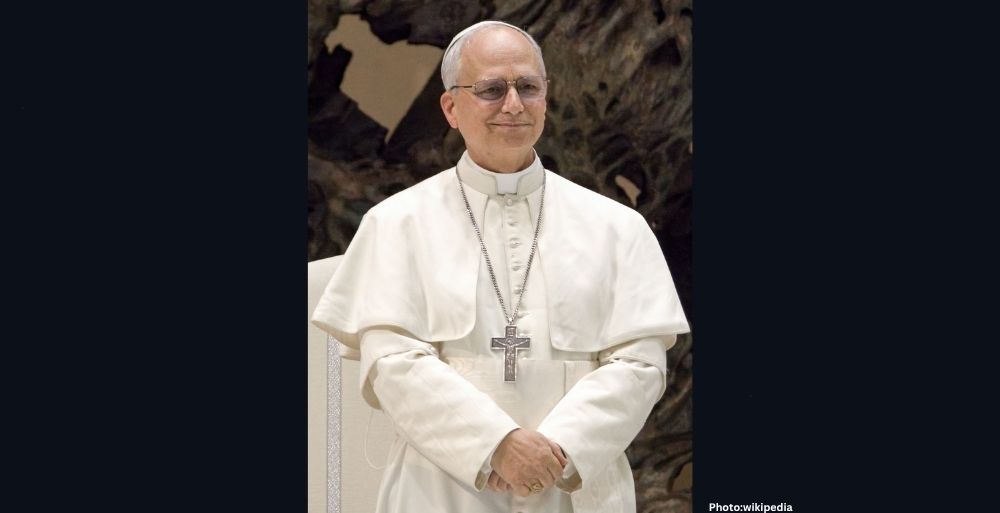
In a striking exchange on social media, President Donald Trump rebuffed Pope Leo XIV’s criticisms of U.S. foreign policy, particularly regarding the ongoing military engagement in Iran. The comments came on Sunday, April 5, 2026, following the Pope’s Easter address where he called for peace and dialogue in international relations.
Trump’s remarks, posted on his Truth Social platform, indicated his displeasure with the first U.S.-born pope. He stated, “I do not want a Pope who criticizes the President of the United States because I’m doing exactly what I was elected, IN A LANDSLIDE, to do.” The president linked his political role to the Pope’s ascension, suggesting that Leo’s unexpected election was a response from the Church to his presidency. “Leo should be thankful because, as everyone knows, he was a shocking surprise,” Trump added, implying that the Vatican sought to counterbalance his influence with a leader from his own country.
Criticism of U.S. Military Actions
Pope Leo XIV, who became the first American Pope in history, has openly condemned the U.S. military presence in Iran. During his Easter message, he said, “Enough with the idolatry of self and money! Enough with the display of force! Enough with war!” He also labeled Trump’s threats against Iran as “truly unacceptable,” advocating instead for a peaceful resolution to international conflicts.
In response to Trump’s comments, Pope Leo maintained his stance on promoting peace and dialogue over military action. Speaking to reporters as he embarked on a ten-day tour of Africa, he stated, “I will continue to speak out loudly against war, looking to promote peace, promoting dialogue and multilateral relationships among the states to look for just solutions to problems.” He emphasized that he does not wish to engage in a political debate with Trump but instead focuses on the spiritual and moral imperatives of peace.
Reactions from Catholic Leaders
The exchange has prompted reactions from various Catholic leaders, who have expressed concern over Trump’s remarks. Archbishop Paul S. Coakley, president of the United States Conference of Catholic Bishops, criticized the president’s disparaging comments about the Pope. Coakley remarked, “I am disheartened that the President chose to write such disparaging words about the Holy Father. Pope Leo is not his rival; nor is the Pope a politician. He is the Vicar of Christ who speaks from the truth of the Gospel and for the care of souls.”
The tensions between Trump and Pope Leo XIV reflect broader issues surrounding U.S. foreign policy and the Catholic Church’s position on war and peace. The pontiff’s stance against militarism aligns with a long-standing tradition within the Church, advocating for diplomatic solutions to conflicts and emphasizing the moral consequences of war.
Historical Context
The criticism of U.S. military actions is not new to the Vatican. Catholic leaders have historically played significant roles in advocating for peace, particularly in conflicts involving U.S. forces. The Vatican has often positioned itself as a mediator in international conflicts, promoting dialogue and reconciliation over warfare.
Moreover, Pope Leo XIV’s prior comments on immigration policies under the Trump administration have also met with resistance from the President. The pontiff previously endorsed a message from the U.S. Conference of Catholic Bishops expressing concern over the treatment of immigrants and the atmosphere of fear surrounding immigration enforcement in the United States.
Trump’s administration has faced criticism from various quarters, including religious leaders who argue that his policies often contradict the core tenets of compassion and humanitarianism that many faith traditions uphold. The ongoing conflict in Iran, exacerbated by military actions, adds another layer of complexity to the relationship between the Trump administration and the Catholic Church.
Implications for U.S.-Vatican Relations
This latest confrontation may have significant implications for U.S.-Vatican relations. As the Pope continues his tour of Africa, his message of peace stands in stark contrast to the militaristic rhetoric from the White House. The Vatican’s advocacy for diplomacy could influence public opinion in the U.S. and among global Catholic communities, raising questions about the role of religious leaders in political discourse.
As the political landscape evolves, the interactions between President Trump and Pope Leo XIV will likely continue to attract attention, reflecting the ongoing intersection of religion and politics in contemporary society.