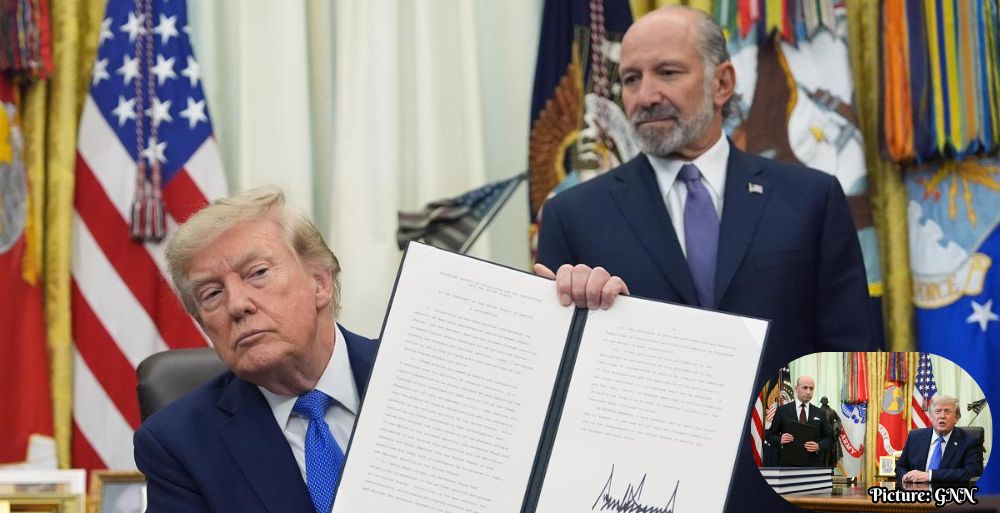
President Trump has signed two executive orders aimed at limiting birthright citizenship and addressing birth tourism, following a Supreme Court ruling that upheld the constitutional protections for citizenship granted to individuals born in the United States.
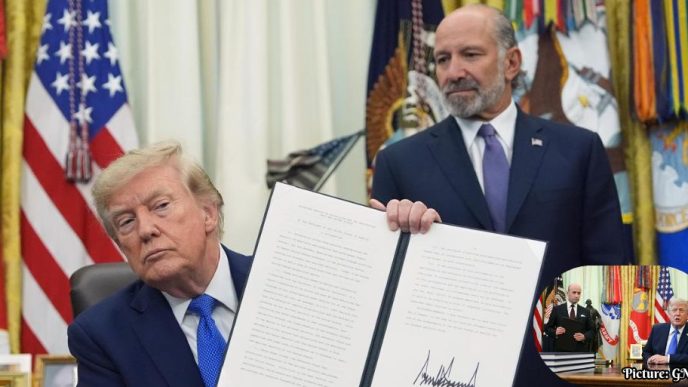
On Thursday, President Donald Trump announced the signing of two executive orders that seek to impose new restrictions on birthright citizenship and combat the practice of birth tourism. This move appears to be a direct response to a Supreme Court ruling from late June, which invalidated an earlier executive order that attempted to eliminate automatic citizenship for many children born on U.S. soil.
In the Oval Office, Trump described the Supreme Court’s decision as “very unfortunate,” suggesting that it was a close ruling but ultimately unfair. He stated, “So we’re making adjustments because it’s very unfair.” The first executive order expands the definition of individuals ineligible for automatic citizenship, which now includes “alien enemies of the United States, members of foreign terrorist organizations,” as well as the children of diplomats and representatives of recognized international organizations.
Legal Background and Historical Context
The Citizenship Clause of the 14th Amendment to the U.S. Constitution guarantees citizenship to all persons born or naturalized in the United States. Historically, courts have recognized four significant exceptions to this clause: children born to foreign diplomats, children born on foreign public ships, children of Native American tribes, and children born during hostile occupations. The new executive orders seek to redefine these exceptions, potentially complicating long-standing interpretations of citizenship.
White House Chief of Staff Stephen Miller supported the order, asserting that it ensures that “large numbers of people who wrongly would be getting birthright citizenship will no longer be eligible for those benefits.” This statement reflects a broader narrative among some lawmakers and commentators who argue that current citizenship policies are being exploited.
Focus on Birth Tourism
The second executive order specifically targets the practice known as “birth tourism,” where foreign nationals travel to the U.S. to give birth, thereby securing citizenship for their child. While this practice is already illegal and thought to be relatively rare, it has become a focal point for right-wing critics of immigration policy. Trump specifically claimed that “hundreds of thousands” of individuals exploit this system, a figure that has been challenged by various studies.
Research from the Migration Policy Institute indicates that the number of births attributed to birth tourism may be as low as 26,000 per year, a fraction of the more than 3.5 million total births in the United States annually. Despite the lack of concrete evidence supporting the president’s claims, the administration continues to assert that birth tourism is a significant issue.
Legal Authority and Future Challenges
Miller cited Section 215(a) of the Immigration and Nationality Act as the legal basis for these new restrictions. This section governs the travel of noncitizens and is rarely invoked. Miller argued that when individuals misrepresent their intentions while applying for visas, such as claiming to be tourists while intending to give birth, they are committing fraud and could be denied entry.
The Supreme Court’s previous intervention in this matter, which involved Chief Justice John Roberts and Justice Amy Coney Barrett siding with the court’s liberal justices to block Trump’s earlier attempts to alter birthright citizenship, raises questions about the viability of these new executive orders. Trump’s administration believes that these narrower restrictions will withstand judicial scrutiny, with Trump expressing confidence that they will meet constitutional standards.
Miller reinforced this sentiment, stating, “What we’re doing is taking legally validated means clearly within our disposal and targeting them square on to this birth tourism industry.” However, legal experts remain skeptical about the potential success of these executive orders.
Responses from Civil Liberties Advocates
Critics of the president’s actions have responded swiftly. Cody Wofsy, deputy director of the ACLU’s Immigrants’ Rights Project, issued a statement asserting that any new efforts to modify birthright citizenship would likely face the same legal challenges as the previous ones. Wofsy emphasized, “The Supreme Court already decided this issue: Birthright citizenship is guaranteed by the Constitution,” indicating that no executive order can alter constitutional guarantees.
As the legal landscape surrounding birthright citizenship continues to evolve, the implications of these executive orders are significant, not only for the individuals affected but also for the broader discourse on immigration and citizenship in the United States. The path forward remains unclear, with many anticipating robust legal challenges that could once again test the boundaries of executive power in immigration policy.