A memorandum of understanding signed by President Trump aims to end military operations between the U.S. and Iran, including in Lebanon, but faces challenges as Israel continues its offensive in the region.
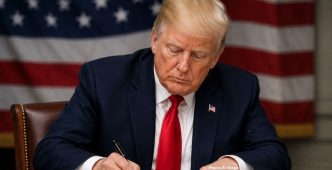
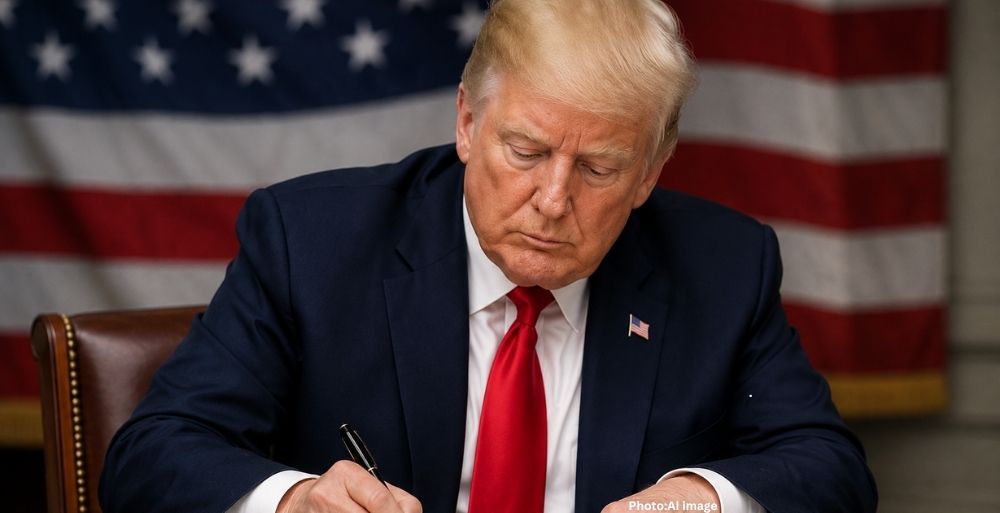
In a significant development, U.S. President Donald Trump signed a memorandum of understanding with Iranian President Masoud Pezeshkian in Tehran early Thursday, which is intended to end the ongoing military conflict that has resulted in substantial loss of life and economic instability across the Middle East. The agreement was reached just before Vice President JD Vance was set to travel to Switzerland for further negotiations, although his trip was abruptly canceled, raising questions about the agreement’s viability.
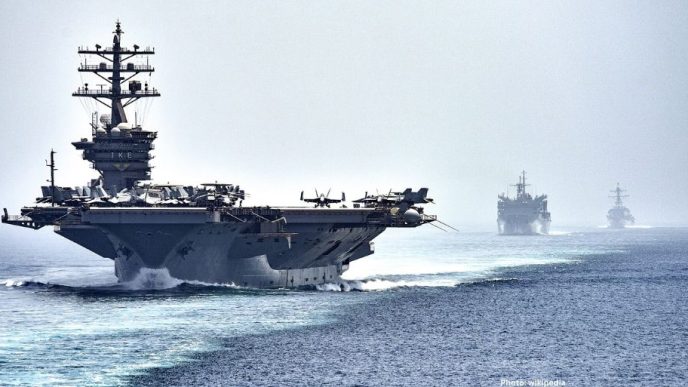
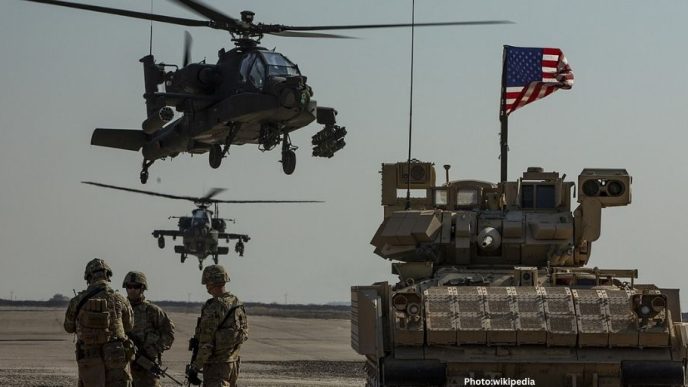
The memorandum promises to lift the U.S. naval blockade on Iran and cease military operations in all affected areas, including Lebanon, where recent Israeli airstrikes have resulted in civilian casualties. According to Lebanese media reports, at least 18 individuals were killed in these strikes, while Israel reported the deaths of four of its soldiers in fighting in southern Lebanon. This ongoing violence contradicts the agreement’s stipulations and highlights the fragility of the current peace process.
Immediate Impact of the Agreement
The memorandum indicates an immediate cessation of military operations and a reopening of the strategic Strait of Hormuz, a vital conduit for global oil and gas shipments. Following the announcement, President Trump celebrated the agreement on social media, encouraging maritime activity by stating, “Ships of the World, start your engines. Let the oil flow!” However, he also cautioned about the temporary nature of the agreement, emphasizing that if Iran does not comply, military actions could resume.
Despite the optimistic tone from the U.S. administration, the underlying issues that led to hostilities between the U.S., Israel, and Iran remain unresolved. The memorandum establishes a 60-day window for further negotiations, during which both sides are expected to address long-standing tensions dating back decades.
Israeli Response and Ongoing Military Operations
Israel’s military actions in Lebanon continue to pose a significant challenge to the implementation of the agreement. Iranian Foreign Minister Abbas Araghchi has insisted that Israel’s withdrawal from southern Lebanon is a prerequisite for any lasting peace. He articulated that without this withdrawal, the conflict cannot be considered resolved. Prime Minister Benjamin Netanyahu has responded defiantly, asserting that Israeli troops will remain in southern Lebanon as long as necessary for national security.
The Israeli government has expressed skepticism regarding the agreement, with far-right national security minister Itamar Ben-Gvir stating on social media that the deal does not ensure Israel’s safety and that Israel is not a party to the agreement. This sentiment reflects a growing rift between Israeli leadership and the Trump administration, with Trump describing Netanyahu as “a very difficult guy” in a recent interview. The Israeli military has also expanded its operations in southern Lebanon, further complicating the situation.
Details of the Economic Concessions
The memorandum extends significant economic concessions to Iran, including a commitment from the U.S. to establish a fund of at least $300 billion for Iran’s reconstruction and development, funded by Gulf Arab nations. Additionally, the agreement allows for the unfreezing of Iranian assets, potentially amounting to tens of billions of dollars. Iranian officials have indicated a desire for the release of approximately $24 billion in frozen funds.
These financial commitments are contingent on successful negotiations during the 60-day window. Furthermore, the U.S. plans to issue sanction waivers that would permit Iran to sell its oil immediately, a significant shift from previous U.S. policy and a point of leverage for future discussions.
Negotiations on Iran’s Nuclear Program
While Trump has claimed that this framework will lead to a more favorable agreement than the previous Iran nuclear deal, officially known as the Joint Comprehensive Plan of Action (JCPOA), substantive negotiations regarding Iran’s nuclear program have yet to commence. The memorandum reiterates Iran’s commitment not to procure or develop nuclear weapons, a promise Iran has made consistently over the years.
Trump’s new approach stands in stark contrast to the diplomatic efforts that culminated in the JCPOA, which involved extensive negotiations with multiple global powers and experts. Critics have raised concerns about the effectiveness of the current U.S. negotiation team, suggesting that the lack of technical understanding may hinder progress in discussions about Iran’s nuclear capabilities.
Implications for U.S.-Iran Relations
The ongoing conflict has raised questions about the long-term implications for U.S.-Iran relations. Despite initial intentions to promote regime change in Iran, the conflict has fortified the Iranian regime’s position, allowing it to leverage its control over the Strait of Hormuz for economic concessions. The war has resulted in significant casualties, leading to a reevaluation of U.S. strategy in the region.
In light of these developments, critics of the Trump administration, including former Secretary of State Antony Blinken, have expressed concerns that the current ceasefire does not achieve meaningful security guarantees for the U.S. or its allies and that the concessions granted to Iran may ultimately undermine U.S. interests in the region.
As negotiations begin, both the U.S. and Iran will need to navigate a complex landscape of historical grievances and geopolitical realities that have characterized their relationship for decades.