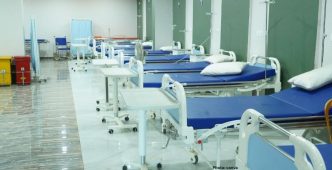

The National Prosthetics Centre in Penal, Trinidad and Tobago, inaugurated by Prime Minister Kamla Persad-Bissessar, aims to improve local access to prosthetic services, enhance training for healthcare professionals, and establish the country as a regional hub for rehabilitation services within CARICOM.
On Saturday, Prime Minister Kamla Persad-Bissessar officially inaugurated the National Prosthetics Centre in Penal, Trinidad and Tobago (T&T). This newly established facility is expected to significantly expand healthcare services in the country, positioning T&T as a pivotal regional hub for rehabilitation services and training within the Caribbean Community (CARICOM). The Prime Minister stressed that the Centre will enable citizens to access vital prosthetic limb services locally and free of charge, thereby eliminating the need for overseas travel and associated costs.
“Many will now have the opportunity to walk again, work again, and live with greater confidence and independence,” declared Persad-Bissessar during the opening ceremony. She emphasized that this initiative reflects the government’s commitment to ensuring that citizens are not marginalized due to disability, illness, or challenging circumstances.
Historical Context and Cultural Significance
The Prime Minister’s address intertwined the launch of the Centre with the historical narrative of the Indo-Trinidadian community, noting that the day’s activities began at the first port of arrival for indentured laborers, progressed to Brechin Castle in Couva, and concluded in Penal. “In many ways, today’s journey reflected the jahajee experience itself, from arrival and struggle to achievement and empowerment,” she remarked, effectively linking the Centre’s opening to the broader themes of resilience and progress within the community.
This initiative builds on the success of the Artificial Limb Fitment Camp held at Divali Nagar in 2025, where more than 800 individuals received prosthetic limbs. According to the Prime Minister, the government is transitioning from providing temporary assistance to establishing a permanent national service that ensures ongoing support for those in need of prosthetic services.
Comprehensive Services and Training Opportunities
The National Prosthetics Centre will offer a wide range of services, including patient intake, limb fabrication, fitting, and rehabilitation. In her remarks, the Prime Minister placed significant emphasis on the importance of training and skills transfer for local healthcare professionals. She outlined plans for orthopedic specialists and healthcare workers in Trinidad and Tobago to receive hands-on training in the fabrication and fitting of prosthetic limbs.
“In doing so, we ensure that the knowledge, technology, and long-term future of this service remain within our national healthcare system,” Persad-Bissessar explained. This training initiative is expected to foster local expertise and reduce the country’s reliance on overseas providers for prosthetic services, thereby enhancing self-sufficiency in healthcare.
Regional Impact and Future Prospects
The Prime Minister expressed optimism regarding the Centre’s potential to develop into a regional training institution for CARICOM countries seeking specialized rehabilitation services. “Importantly, this Centre also positions Trinidad and Tobago as a regional hub for specialized rehabilitation services across CARICOM, with the potential to serve patients throughout the Caribbean and evolve into a regional center for prosthetics expertise and training,” she stated.
Moreover, Persad-Bissessar discussed the expanding cooperation between Trinidad and Tobago and India, highlighting that their collaboration has extended beyond diplomatic relations into healthcare and pharmaceuticals. She pointed to ongoing initiatives, such as hemodialysis support and efforts aimed at improving access to affordable medicines through the Indian Pharmacopoeia.
Appreciation for Collaboration and Support
During her address, Persad-Bissessar acknowledged key contributors to the establishment of the Centre, expressing gratitude to Indian Minister of External Affairs Dr. Subrahmanyam Jaishankar, the Government of India, Jaipur Foot USA, local healthcare professionals, and the Ministry of Health. She characterized the Centre as a symbol of transformation and progress, not only for Penal but for Trinidad and Tobago as a whole. “A place once shaped by hardship, sacrifice, and struggle now becomes the home of healing, rehabilitation, and human dignity,” she concluded, underlining the broader societal implications of the Centre’s establishment.
Conclusion: A Step Towards Enhanced Healthcare Services
The launch of the National Prosthetics Centre signifies a substantial advancement in enhancing healthcare access and rehabilitation services within Trinidad and Tobago. The facility is poised to improve the quality of life for many citizens while also fostering regional collaboration and expertise in the field of prosthetics and rehabilitation. As the government continues to invest in healthcare infrastructure and training for local professionals, the Centre stands as a testament to the nation’s commitment to inclusivity and improved healthcare outcomes for all citizens.
In summary, the establishment of the National Prosthetics Centre not only addresses the immediate needs of individuals requiring prosthetic services but also sets the stage for long-term improvements in healthcare delivery and regional cooperation within CARICOM. The initiative embodies a vision of empowerment for those with disabilities and a step forward in the journey towards comprehensive healthcare reform in Trinidad and Tobago.