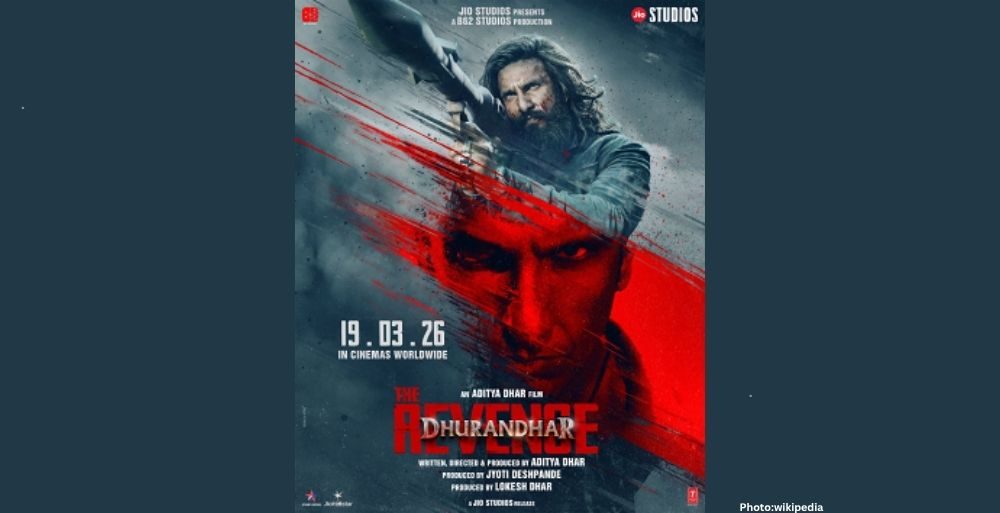
The ‘Dhurandhar’ franchise, which has grossed over Rs 3,000 crore globally, continues to spark interest and speculation about its future, following comments from co-producer Jyoti Deshpande regarding potential new developments.
Aditya Dhar’s spy saga, ‘Dhurandhar,’ has made a significant impact on Indian cinema, establishing itself as a cultural phenomenon since the release of its first part five months ago, followed by its sequel nearly two months later. The franchise has reportedly accumulated over Rs 3,000 crore (approximately $360 million) in global box office earnings, marking a milestone achievement in an industry where financial performance often dictates the success and longevity of film projects.
The ‘Dhurandhar’ films feature an impressive ensemble cast, including well-known actors such as Ranveer Singh, Akshaye Khanna, R Madhavan, Arjun Rampal, Sanjay Dutt, Rakesh Bedi, and Sara Arjun. Their performances have resonated with audiences, contributing significantly to the franchise’s popularity both in India and abroad. The films’ financial success can be attributed to a combination of effective marketing strategies, engaging storylines, and the audience’s connection to the characters.
Future Prospects of the Franchise
As the conversation regarding the franchise’s future intensifies, co-producer Jyoti Deshpande from Jio Studios has teased that there may still be more to come. In a recent interview with Bollywood Hungama, she remarked, “We’re not done with Dhurandhar yet. We’ll hopefully have a surprise for the audience later this year. There’s something up our sleeves.” Although this statement has not confirmed the development of a third installment, it has undoubtedly ignited speculation among fans and industry insiders regarding potential new storylines and character arcs.
The excitement surrounding the franchise is palpable on social media, where fans have been actively discussing theories and possibilities for a continuation. This engagement highlights the franchise’s significant impact on its audience and reflects the strong investment viewers have in its narratives and characters. The anticipation for further developments underscores the cultural relevance of ‘Dhurandhar’ in the current cinematic landscape.
Contradictory Views from the Cast
However, not everyone associated with the ‘Dhurandhar’ franchise shares the same optimism about the likelihood of a third film. Rakesh Bedi, who played a significant role in both installments, has expressed skepticism regarding the prospects of a continuation. In an interview with Zoom, he stated, “I don’t think a third part will happen. But Dhurandhar is a franchise, and it can be made with some other actors at any given point of time. The story ends with the spy going back to his nation.”
Bedi’s remarks reflect the complexities of franchise filmmaking, where individual narratives may reach a natural conclusion while the brand itself remains open to reimagining. His character, Jameel Jamali, was notably recognized for the twist that revealed him as an Indian spy operating within Pakistan, a development that captivated audiences. Reflecting on the audience’s reaction, Bedi noted, “It was a highlight for the audience, but for us, it was like just another scene. We knew that it would create a ripple.”
Moreover, Bedi elaborated on how audience expectations shifted following the success of the first film, indicating that viewers approached the sequel with heightened anticipation. “People were not going to watch the second part casually. They were keen to know what happens in part 2. Now, the audience is seeking to watch part 3,” he stated. This observation emphasizes the evolving relationship between filmmakers and audiences, where prior successes heighten expectations for subsequent entries in a franchise.
Industry Trends and Implications
The ongoing dialogue about the future of ‘Dhurandhar’ mirrors broader trends within the global film industry, where successful franchises are frequently extended to capitalize on established audience interest. The inclination to explore sequels and spin-offs—often without a definitive storyline—reflects commercial strategies prioritizing franchise longevity in contemporary cinema.
As the film industry navigates a post-pandemic landscape marked by shifting audience habits and preferences, franchises like ‘Dhurandhar’ can serve as case studies in balancing creative storytelling with financial imperatives. The potential for future entries raises critical questions about narrative continuity, character development, and the sustainability of blockbuster filmmaking in an increasingly competitive market.
In summary, while the future of ‘Dhurandhar’ remains uncertain, the discussions surrounding potential new content reinforce the franchise’s success and illustrate the dynamic nature of audience engagement in the film industry. The anticipation for any possible sequel not only highlights the cultural significance of the franchise but also underscores the strategic considerations filmmakers must navigate in a rapidly evolving entertainment landscape. As fans await further announcements, the legacy of ‘Dhurandhar’ continues to unfold, with both excitement and skepticism shaping the narrative around its future.