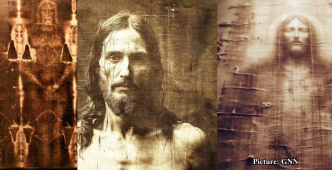
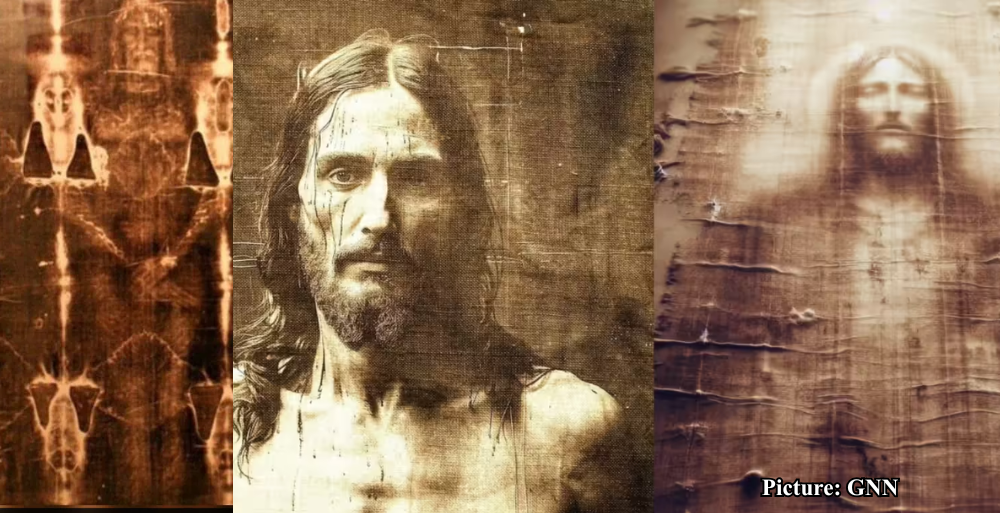
A recent DNA study suggests a significant genetic link between the Shroud of Turin and Indian lineages, raising questions about the historical interactions and origins of this revered Christian relic.
The Shroud of Turin, an ancient linen cloth that many believe to be the burial shroud of Jesus Christ, is at the center of renewed scholarly debate following a groundbreaking DNA analysis led by Gianni Barcaccia from the University of Padova, Italy. Released in early October 2023, the study reveals compelling genetic evidence that nearly 40% of the human DNA found on the shroud traces back to Indian lineages, suggesting a complex historical narrative intertwined with trade and cultural exchanges.
Findings from Recent DNA Analysis
In this comprehensive study, researchers revisited samples that had been collected from the Shroud of Turin in 1978. The analysis uncovered a diverse array of genetic material, including DNA from various plants, animals, and humans. Notably, contamination from domestic animals such as cats and dogs, as well as farm animals like chickens, cattle, and goats, was identified. Furthermore, traces of wild animals, fish, and insects were also detected.
The most striking aspect of the findings was the revelation of human DNA on the shroud. Barcaccia’s team emphasized the significance of the Indian genetic material, suggesting that it could indicate historical interactions between cultures or the importation of linen from regions near the Indus Valley. This discovery notably shifts the narrative surrounding the shroud’s origins, which has long been a subject of intrigue and skepticism.
Historical Context of the Shroud
Documented for the first time in France in 1354, the Shroud of Turin has been housed at the Cathedral of Saint John the Baptist in Turin, Italy, since the 16th century. Many believers assert that it is the actual burial cloth used to wrap Jesus’ body after his crucifixion nearly two millennia ago. The shroud gained significant attention in 1898 when Italian photographer Secondo Pia captured images that revealed a clearer depiction of a figure believed to be Jesus, enhancing its mystique.
However, the shroud’s authenticity has been challenged by scientific testing, particularly a 1988 radiocarbon dating study that dated the linen to a period between 1260 and 1390. This finding has fueled ongoing debates among scholars and theologians regarding the true nature and origins of the relic.
Religious and Cultural Significance
Despite the controversies surrounding its authenticity, the Shroud of Turin continues to hold immense religious and cultural significance. Scholars reference historical artifacts, such as the Pray Codex dating back to 1192–1195, which depict an image reminiscent of Christ’s body, suggesting a lineage of belief in the shroud’s importance that predates its documented history.
Additionally, accounts from the early 13th century, including those by French Crusader Robert de Clari, reference a cloth believed to be Christ’s burial shroud that was displayed in Constantinople, further complicating the narrative of the shroud’s origins. These references contribute to a broader understanding of the shroud’s historical journey, highlighting its potential influences from various cultural interactions over the centuries.
Scientific and Theological Implications
The implications of the recent findings regarding the Shroud of Turin’s potential connections to Indian lineages extend beyond mere historical curiosity. They raise profound questions regarding the intersection of faith and empirical science. While some scholars propose that the image on the shroud might have emerged under supernatural conditions, others contend that the reliance on scientific methods to validate a religious artifact raises inherent paradoxes.
The four Gospels in the New Testament reference the burial shroud but do not explicitly mention a single cloth being used, which adds to the theological complexity surrounding the artifact. The existence of Indian genetic material prompts researchers to consider the historical interactions between diverse cultures and the movement of textiles across regions.
As discussions surrounding the Shroud of Turin evolve with the introduction of new scientific insights, the artifact continues to inspire both devotion and skepticism. Notably, during its exposition in 2015, Pope Francis prayed before the shroud, underscoring its enduring role within the Christian faith despite ongoing debates regarding its authenticity.
Conclusion
The Shroud of Turin, with its intricate history and ongoing scientific investigations, exemplifies the broader dialogue between faith and empirical evidence. As researchers delve deeper into the implications of its potential Indian connections, the shroud serves as a powerful reminder of the complex tapestry of historical narratives that shape religious artifacts. Whether viewed as a sacred relic or a subject of scientific inquiry, the Shroud of Turin remains a significant symbol of belief, culture, and the quest for understanding within the Christian tradition.