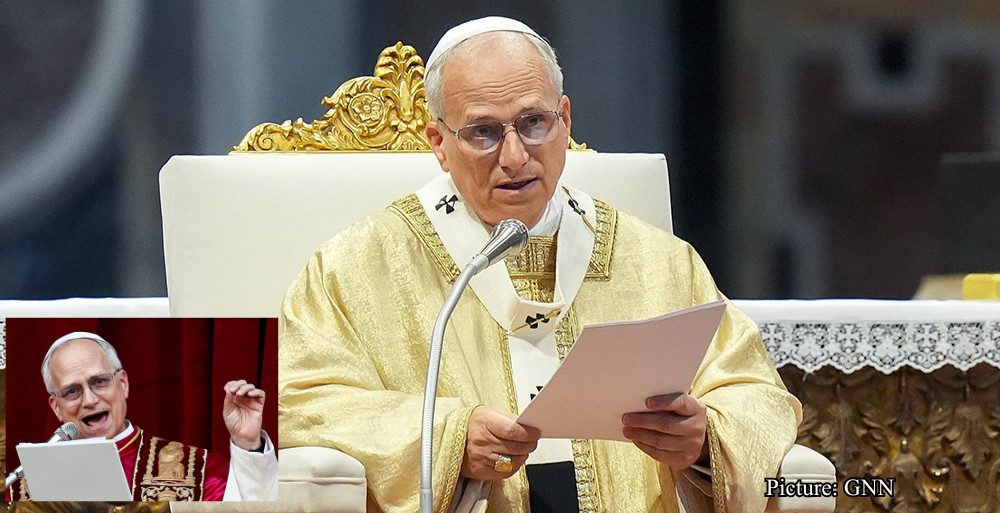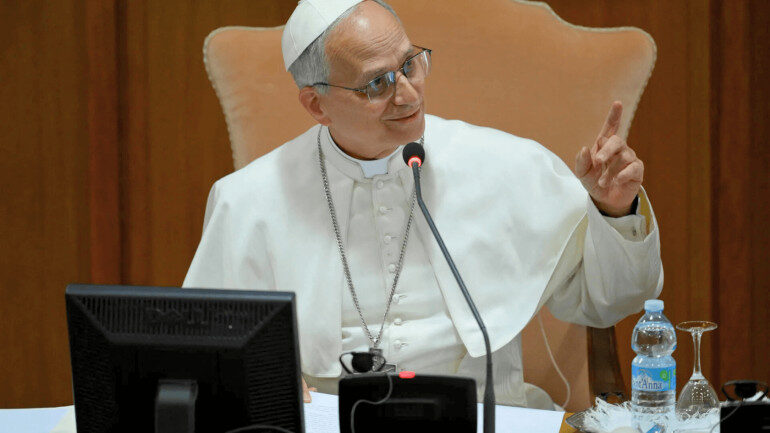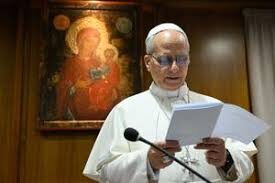
Pope Leo XIV has issued an urgent plea to the Society of St. Pius X, asking the breakaway group to abandon its plans to consecrate new bishops without papal approval, warning of severe consequences under church law.
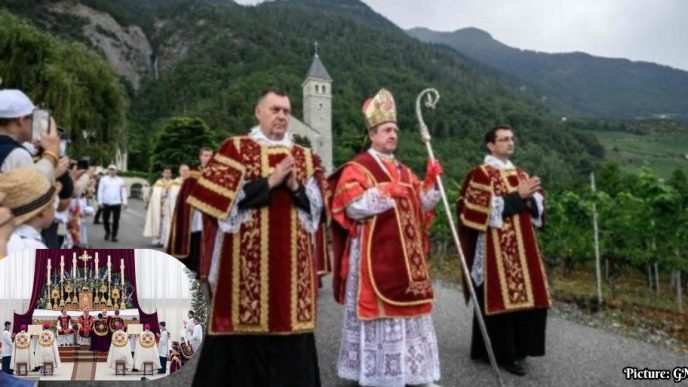
ROME — In a significant and urgent appeal, Pope Leo XIV reached out on Tuesday to the Society of St. Pius X (SSPX), a traditionalist faction of the Catholic Church, urging them to reconsider their plans to consecrate four new bishops without papal consent. In a letter addressed to the Rev. Davide Pagliarani, the superior of the SSPX, the Pope characterized the act as schismatic and a “sin of extreme gravity.” This appeal comes just one day before the SSPX’s scheduled consecration ceremony, set to take place at their seminary in Econe, Switzerland.
According to current church law, any unauthorized consecration of bishops is considered schismatic, which would lead to automatic excommunication for those involved, including the newly consecrated bishops and the bishop conducting the ceremony. The SSPX has been a point of contention between traditionalists and the Vatican since its inception, particularly following the sweeping reforms initiated by the Second Vatican Council in the 1960s.
Historical Context of the SSPX
The Society of St. Pius X was founded by Archbishop Marcel Lefebvre in 1970 in direct opposition to what the group perceived as excessive modernization and liberalization within the Catholic Church. The Second Vatican Council had introduced significant changes, including a new approach to ecumenism, allowing Mass to be celebrated in vernacular languages rather than exclusively in Latin, and fostering greater engagement with other faiths.
In 1988, Lefebvre consecrated four bishops without papal approval, a grave violation of church law that led to his immediate excommunication, along with that of the bishops he ordained. Despite this schism, the SSPX has continued to grow, establishing itself as a parallel structure to the traditional Catholic Church, independent of Vatican authority. Current SSPX statistics indicate it has two bishops, 751 priests, 264 seminarians, 145 religious brothers, 88 oblates, and 250 religious sisters across 50 different nationalities, highlighting its significant presence and influence.
Papal Concerns and Offer for Dialogue
In his letter, Pope Leo XIV underscored the Vatican’s desire for dialogue and reconciliation, reiterating that the planned consecrations would have detrimental consequences for the spiritual well-being of the SSPX’s followers. He urged Pagliarani to “consider carefully the spiritual good of the faithful,” stressing that the schismatic act would deprive them of the licit and, in some cases, valid reception of the sacraments. This statement reflects the Pope’s deep concern that actions taken by the SSPX could lead to spiritual harm for its members.
The Vatican has consistently warned the SSPX of the repercussions they face should they proceed with the planned consecrations. The threat of excommunication looms large, as it did in 1988, when Lefebvre’s actions resulted in a significant rupture in the Church’s unity. Pope Leo XIV’s plea represents an effort to prevent a repeat of this historical schism, which has had lasting impacts on the governance of the Church and its relationships with traditionalist groups.
Implications for the Catholic Church
The growth of the SSPX and its divergence from Vatican teachings present unique challenges for the Catholic Church, especially as it seeks to reconcile traditionalist sentiments with contemporary practices. The ongoing tensions between the SSPX and the Vatican reflect broader struggles within the Church regarding authority, tradition, and the interpretation of the reforms established by Vatican II.
As the Pope’s letter circulates among Church leaders and the faithful, the response of the SSPX to this appeal will be closely monitored. If the group proceeds with the consecrations, it could further entrench schismatic attitudes and escalate tensions between the SSPX and the Vatican. Conversely, a decision to engage in dialogue could open pathways for a more constructive relationship, though skepticism regarding the Vatican’s intentions remains prevalent within the SSPX community.
The SSPX’s actions also raise broader questions about the future of traditionalist factions within the Catholic Church as they navigate their place within an institution that has undergone significant transformation in recent decades. The Church has been grappling with how to maintain its core doctrines while also responding to calls for modernization and inclusivity.
Conclusion
Pope Leo XIV’s urgent call for the SSPX to halt its planned consecrations underscores the intricate and often contentious dynamics within the Catholic Church as it endeavors to balance tradition with the demands of a changing world. The outcome of this situation will likely have far-reaching implications not only for the SSPX and its members but also for the broader Catholic community as it seeks to define its identity in the 21st century.